World Cup 2026 Group F: Netherlands, Japan, Sweden, Tunisia
Group F is the World Cup's "no underdog story" group — Netherlands seeded as Pot 1 favourites, Japan as the most established Pot 2 side at the tournament, Sweden returning to a major tournament after eight years away, and Tunisia bringing the kind of compact mid-block that has stretched Pot 1 sides at every World Cup since 2010. No debutant, no romantic CONCACAF qualifier, no narrative cushion — four sides that need points from the opening whistle on June 14.
Who's in World Cup 2026 Group F?
The four teams sorted by FIFA April 2026 ranking:
- 🇳🇱 Netherlands — Pot 1, FIFA #7, head coach Ronald Koeman, captain Virgil van Dijk. 4-3-3 with a 4-1-4-1 mid-block. 12th World Cup, three-time finalists (1974, 1978, 2010), never won.
- 🇯🇵 Japan — Pot 2, FIFA #18, head coach Hajime Moriyasu, captain Wataru Endo. 4-2-3-1 with a 3-4-2-1 versus possession sides. 8th World Cup, R16 in 2002, 2010, 2018, 2022.
- 🇸🇪 Sweden — Pot 3, FIFA #38, head coach Jon Dahl Tomasson, captain Viktor Gyökeres. 4-4-2 with a 4-2-3-1 in possession. 13th World Cup, runners-up 1958 on home soil, quarter-finals 2018.
- 🇹🇳 Tunisia — Pot 4, FIFA #44, head coach Sami Trabelsi, captain Aïssa Laïdouni. 4-3-3 with a 5-3-2 deep block. 7th World Cup, group-stage exits in all six previous appearances.
Group F is the only 2026 group where every side has prior World Cup experience and no debutant — a structurally more even baseline than groups built around a small-federation Pot 4 side.
Why Are Koeman's Netherlands Group F Favourites?
Ronald Koeman returned to the Netherlands head-coaching job in January 2023 after a difficult Barcelona spell, replacing Louis van Gaal post-Qatar. Koeman's two and a half years in his second spell have stabilised the 4-3-3 around Frenkie de Jong (Barcelona, 28) as the single pivot — the role Van Gaal moved away from in 2022 with mixed results. The squad spine that reached the Euro 2024 semi-final survives intact: Virgil van Dijk (Liverpool, 34) at centre-back, Cody Gakpo (Liverpool, 26) at left wing, Tijjani Reijnders (AC Milan, 27) at right-eight, Denzel Dumfries (Inter, 29) at right wing-back, Memphis Depay (Corinthians, 31) at No. 9.
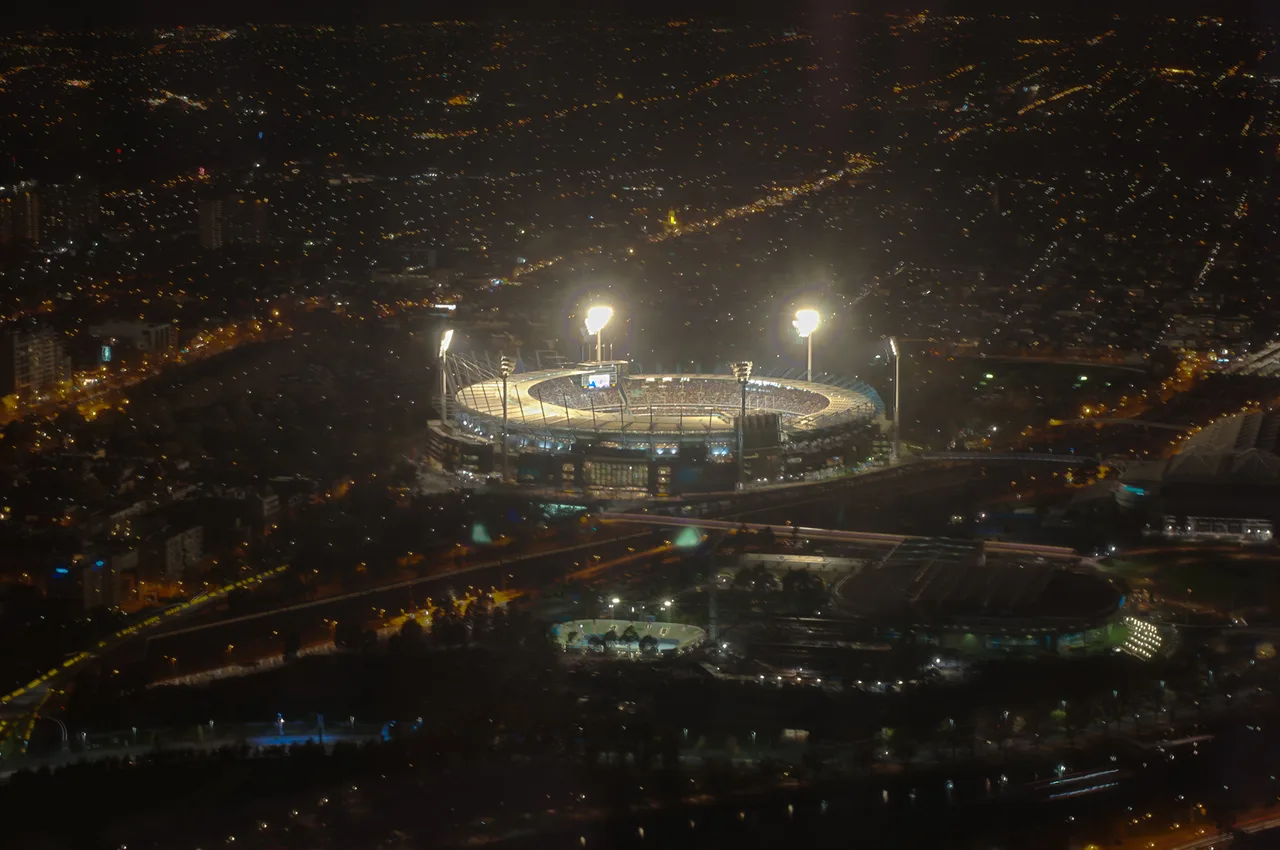
The fixture pattern favours Netherlands. Dallas Stadium for the Japan opener (June 14, 16:00 ET) is a US-style closed-roof venue — heat-controlled, surface fast. Houston Stadium for Sweden (June 20, 13:00 ET) is similar. Kansas City Stadium for Tunisia in matchday 3 (June 25, 19:00 ET) is the only outdoor venue — a small variable, not a tactical risk.
Realistic expectation: top of Group F with 7–9 points, Round of 32 against a Pot 3 third-placed team, Round of 16 against a Group E or Group H runner-up. Quarter-final ceiling — anything more requires De Jong staying healthy through three knockout rounds and Gakpo sustaining the Liverpool-level production at left wing.
How Far Can Moriyasu's Japan Push This Group?
Japan are at their eighth World Cup and the seventh consecutive — the only Asian side with that streak. Hajime Moriyasu took over in 2018 and his eighth year in charge brings continuity that the Netherlands and Sweden cannot match. Qatar 2022 saw Japan beat Germany 2-1 and Spain 2-1 in the group stage before falling to Croatia on penalties in the Round of 16 — the squad spine of that night survives into 2026.
Takefusa Kubo (Real Sociedad, 24) was the inside-forward axis the system depended on alongside Kaoru Mitoma (Brighton, 28) — but Mitoma was ruled out of the entire World Cup with a hamstring injury on May 15, announced at the same press conference as the final 26-man squad. The whole left-side 1v1 weapon is gone. Junya Itō (Stade de Reims, 32) absorbs the left wide minutes — a more direct vertical-runner profile than Mitoma's dribbling-led one. Wataru Endo (Liverpool, 33) and Hidemasa Morita (Sporting CP, 30) form the double pivot. Daichi Kamada (Crystal Palace, 29) plays the No. 10. Takumi Minamino (Monaco) is also unavailable with an ACL tear from late December 2025.
The matchday 1 vs Netherlands is the realistic top-spot lever. Japan's mid-block + transition speed translated to two giant-killings in 2022; a draw or win at Dallas would re-frame Group F's second-place fight before Sweden and Tunisia complete their second fixtures. See our Japan tactical preview for the deep dive and the final 26-man squad breakdown for the post-Mitoma roster.
Realistic expectation: second place with 5–6 points (a draw vs Netherlands plus wins over Tunisia and Sweden). R32 entry, Round of 16 plausible if the bracket avoids Group E winner Germany.
Sweden and Tunisia: What Are Their Realistic Plans?
Sweden are at their 13th World Cup but their first since Russia 2018. Jon Dahl Tomasson's rebuild leans on Viktor Gyökeres (Arsenal, 27), whose 41-goal Sporting CP send-off and Arsenal-debut Premier League season (24+ goals) is the squad's loudest pre-tournament story. Alexander Isak (Liverpool, 26) is the secondary striker with the option to play together in a front two. Dejan Kulusevski (Tottenham, 25) provides creative width. Anthony Elanga (Newcastle, 23) is the breakout 2025-26 inside-right. The 4-4-2 mid-block is structurally similar to the 2018 quarter-final side; the personnel ceiling is higher, but the Group F draw is harder than the 2018 path through Mexico, Germany and Switzerland.
Tunisia qualified second in CAF Group H behind Algeria. Sami Trabelsi's compact 4-3-3 — switching to a 5-3-2 deep block in Pot 1 fixtures — is the same disciplined system that has defined Tunisia at every World Cup since France 1978. Aïssa Laïdouni (Union Berlin, 28) is the ball-winning No. 6 the system runs through. Hannibal Mejbri (Burnley, 23) provides the creative break. Youssef Msakni (Al-Arabi, 35) returns at his fourth World Cup as the experienced right winger. The realistic ceiling is one draw from three matches — most likely against Sweden in matchday 2.
Which Group F Match Decides Top Spot?
Sunday June 14, 2026 · 16:00 ET / 21:00 BST · Dallas Stadium, Arlington. Netherlands vs Japan. The matchday 1 opener that frames the rest of the group's eleven days. Tactically: Netherlands will hold 60-65% possession through De Jong's single-pivot rotation, with Reijnders breaking forward into the half-spaces and Gakpo running diagonals from left to half-space. Japan's answer is the 2022-style mid-block compression — Endo and Morita squeezing De Jong's first turn, Kubo transitioning through the channels Reijnders vacates. The May 15 squad announcement landed Japan's biggest pre-tournament blow: Mitoma is out with a hamstring injury, removing the wide 1v1 threat against Dumfries that would normally produce the equaliser path.
A Netherlands win likely closes top spot before matchday 3. A Japan win turns the group into a goal-differential calculation that runs through Sweden vs Tunisia (June 14 night) and the simultaneous matchday 3 fixtures on June 25 — Japan vs Sweden at Dallas, Tunisia vs Netherlands at Kansas City, both kicking off 19:00 ET / 00:00+1 BST. The split-screen matchday 3 is the kind of structural drama the 48-team format produces every group cycle.
For the full match preview: Netherlands vs Japan — kickoff times, lineups, FAQs.
What Are the Predicted Group F Standings?
Best-effort prediction based on April 2026 form, FIFA ranking, qualifying records and 2025-26 friendly results:
- 1st — Netherlands. 7–9 points. Beat Tunisia and Sweden, draw or beat Japan. Top spot and a Round of 32 against a Pot 3 third-placed team. Goal differential should run +4 or higher.
- 2nd — Japan. 5–6 points. Beat Tunisia, beat Sweden, draw vs Netherlands. Round of 32 against another group's runner-up — a Round of 16 case if the draw avoids Germany.
- 3rd — Sweden. 3–4 points. Beat Tunisia, lose to Netherlands and Japan. Best-third tiebreaker is genuinely live with goal differential at zero or better.
- 4th — Tunisia. 0–3 points. The most realistic outcome is a draw vs Sweden in matchday 2; three points from one win is the dream scenario.
Matchday 1 results: Netherlands 2-2 Japan recap and Sweden 5-1 Tunisia recap — the openers split the group, with Sweden top after a five-goal night.
For sister-group breakdowns, see Group A, Group B, Group C, Group D, and Group E. For the wider tournament picture: top-five title favourites and the dark-horse contenders.
Frequently Asked Questions
Who is in Group F at the 2026 World Cup?
Netherlands (Pot 1, FIFA #7), Japan (Pot 2, FIFA #18), Sweden (Pot 3, FIFA #38) and Tunisia (Pot 4, FIFA #44). It is the only group at the 2026 tournament where all four sides have prior World Cup experience and no debutant — a more even competitive baseline than Groups B, E or H.
When does the Netherlands play in World Cup 2026 Group F?
Netherlands play three group matches: vs Japan on June 14 at Dallas Stadium (16:00 ET / 21:00 BST), vs Sweden on June 20 at Houston Stadium (13:00 ET / 18:00 BST), and vs Tunisia on June 25 at Kansas City Stadium (19:00 ET / 00:00+1 BST). The June 14 opener is the only Netherlands fixture played in front of an east-coast US prime-time slot.
Are Netherlands favourites to win Group F?
Yes. The Netherlands are FIFA #7, the only Pot 1 side in the group, and the squad spine that reached the Euro 2024 semi-final — Van Dijk, De Jong, Gakpo, Reijnders, Dumfries — is largely intact. Ronald Koeman's second spell as head coach has stabilised the 4-3-3 system around De Jong as the single pivot. The realistic question is whether Netherlands win all three or drop points against Japan in matchday 1.
Can Japan reach the Round of 16 from Group F?
Realistically yes — though the May 15 squad announcement made it harder. Japan are FIFA #18, peaked at #15 in 2024, and reached the knockout rounds in their last two World Cups (Russia 2018 R16, Qatar 2022 R16 after beating Germany and Spain in the group). The 2026 squad was built around Takefusa Kubo (Real Sociedad, 24) and Kaoru Mitoma (Brighton, 28) — but Mitoma was ruled out of the entire tournament with a hamstring injury sustained in Brighton's May 10 win over Wolves. Wataru Endo (Liverpool, 33) and Hidemasa Morita (Sporting CP, 30) form the double pivot. Hajime Moriyasu's eighth year in charge brings continuity. See our Japan tactical preview for the full breakdown.
What happened to Sweden after Zlatan Ibrahimović retired?
Sweden missed both Qatar 2022 and Euro 2024 — the country's worst major-tournament drought since the 1990s. Jon Dahl Tomasson took over in March 2024 and rebuilt the squad around Viktor Gyökeres (Arsenal, 27), the breakout No. 9 who scored 41 goals in his Sporting CP-Arsenal transition season. Alexander Isak (Liverpool, 26) is the secondary striker. Tomasson's 4-4-2 with mid-block defending is structurally similar to Janne Andersson's 2018 World Cup quarter-final side, but the Group F draw makes a knockout return harder than the 2018 path.
How are Tunisia approaching their seventh World Cup?
Tunisia qualified second in CAF Group H behind Algeria. Sami Trabelsi's compact 4-3-3 leans on Aïssa Laïdouni (Union Berlin, 28) as the ball-winning No. 6 and the Trabelsi-favoured 5-3-2 deep block in Pot 1 fixtures. The squad's history is defined by group-stage exits in seven appearances; the 2026 expanded format with eight best-third places gives Tunisia a wider survival window than Russia 2018 or Qatar 2022 offered. Realistic ceiling: a draw against Sweden or Japan and a third-place finish with a best-third claim.
Which is the decisive Group F fixture?
Sunday June 14 at Dallas Stadium, kickoff 16:00 ET / 21:00 BST: Netherlands vs Japan. Both sides need points from their Pot 1 / Pot 2 head-to-head to control the second-place fight ahead of the simultaneous matchday 3 windows on June 25 (Japan vs Sweden at Dallas, Tunisia vs Netherlands at Kansas City — both kicking off 19:00 ET). A Netherlands win in matchday 1 likely closes top spot before matchday 3; a Japan win or draw turns Group F into a four-way scenario through to the final whistle.
How many teams advance from World Cup 2026 Group F?
Top two automatically advance to the new Round of 32 (replacing the old Round of 16 in the 48-team format). The third-placed team is eligible for one of eight best-third spots that complete the bracket of 32. Group F's third-place finisher likely needs at least 3 points to claim a best-third spot — Tunisia's deep-block plan is built around delivering that 3-point baseline against the bottom of the group's fixture sequence.
People Also Ask
Data sources
- FIFA World Cup 2026 — Group F draw and fixtures
- April 2026 FIFA Men's World Ranking
- UEFA Euro 2024 / AFC and CAF qualifying records — Editorial review by the WTK Sports desk
Published: