Mexico City Opening Match Weekend — Where to Watch & Eat
The 2026 World Cup opens on Thursday June 11 with Mexico vs South Africa at Estadio Azteca — renamed Estadio Ciudad de México for the tournament per FIFA's sponsor-stripping policy. Opening ceremony at 11:30 AM local time, kickoff at 1:00 PM local (3:00 PM ET). It's the third opener the Azteca has hosted (after 1970 and 1986), and no other stadium in World Cup history has hosted more than one. This is the playbook for opening weekend — where to stay, how to get to the stadium, where to watch with or without a ticket, and how to eat your way through the city around the match.
- Stay in: Condesa, Roma Norte, or Polanco. Don't stay near the stadium.
- Get to the stadium by: Metro Line 2 to Tasqueña, transfer to Tren Ligero, one stop to Estadio Azteca.
- Watch without a ticket at: El Zócalo (FIFA Fan Festival), or any of 16 borough fan zones, or the European-football bars in Roma Norte / Condesa.
- Eat: al pastor street tacos after the match (cash-only, past 2 AM), Roma Norte for the dinner-shift sit-downs.
- Bring: peso cash for tacos and tips, a layer for the evening (high-altitude cool), a backup phone battery (Fan Festival crowd density).
- Skip: renting a car, brushing teeth with tap water, scheduling heavy activity in the first 24 hours of altitude exposure.
When and Where Does the World Cup 2026 Open?
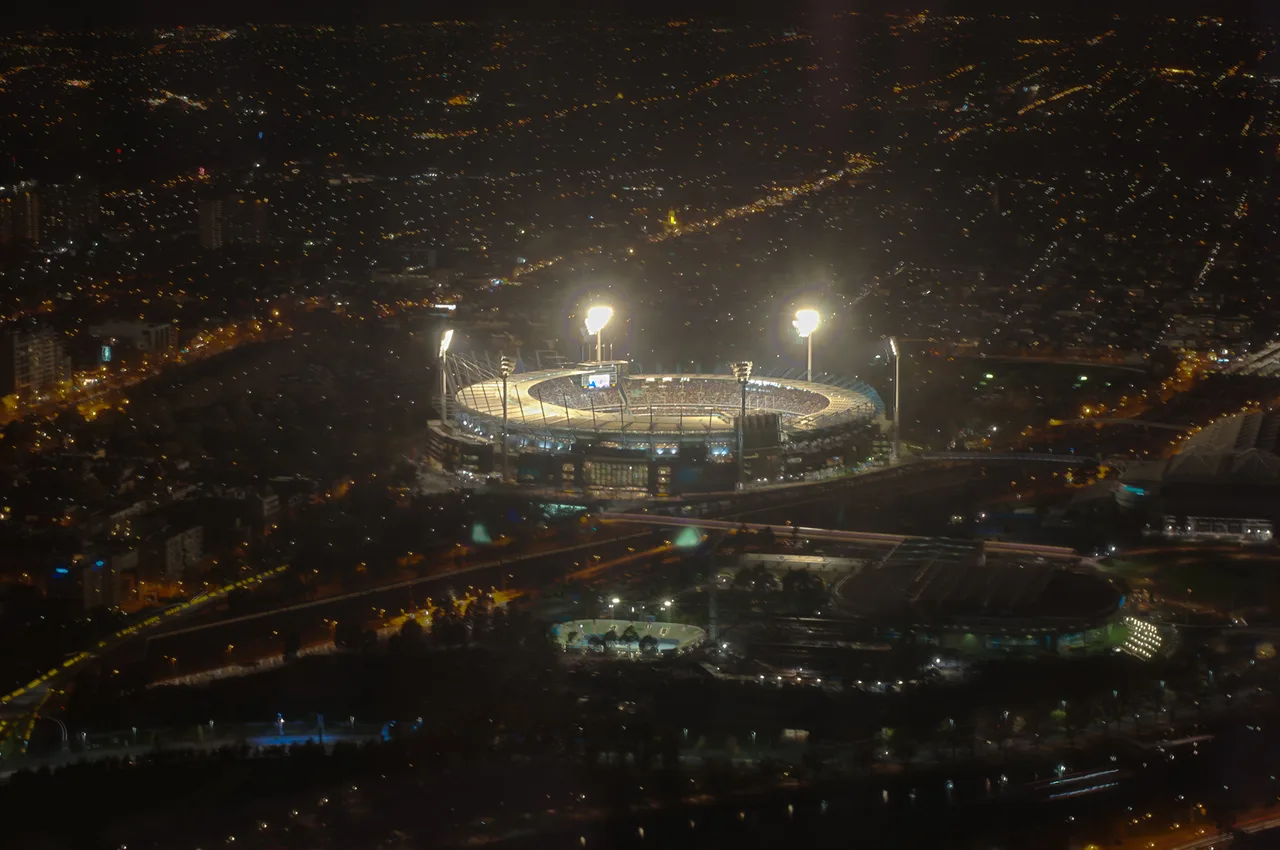
Thursday June 11, 2026. Estadio Azteca — officially Estadio Ciudad de México (Mexico City Stadium) for the tournament, because FIFA strips corporate naming rights from World Cup venues and the stadium had recently been rebranded Estadio Banorte under a March 2025 sponsorship deal. Capacity 87,523. Location is Santa Úrsula Coapa in the southern part of Mexico City, about 12 km from the central neighborhoods most visitors stay in.
Opening ceremony 11:30 AM local time. Kickoff 1:00 PM local (3:00 PM ET, 8:00 PM UK, 9:00 PM Western European). Mexico City runs on UTC−6 with no daylight-saving shift in June, so the local time stays clean against international broadcast schedules. Mexico vs South Africa is the first match of the tournament. The two other teams in Group A are Korea Republic and Czechia.
This is the third World Cup opening match the Azteca has hosted, after 1970 and 1986. No other stadium has hosted more than one in tournament history. Part of why FIFA brought the opener back here despite the US hosting most of the tournament: Brazil 1970 and Argentina 1986 were both decided in this stadium, and the Maradona "Hand of God" and "Goal of the Century" goals — both from the same 1986 quarter-final against England — remain the Azteca's two most-replayed clips. Mexico City's tactical and stylistic context for the opener is covered in our Aguirre altitude tactical preview, and the historical thread of these two sides meeting again is in our Mexico vs South Africa "Again, Bafana" piece.
Where Should You Stay for the Opening Weekend?
Three central neighborhoods cover the realistic range. Pick one and don't overthink it.
Condesa. Leafy, walkable, mid-century apartment buildings around Parque México. The neighborhood feels closer to a Buenos Aires bairro than a typical Mexican district — pastel facades, art-deco architecture, café tables on the sidewalk. The Andaz Mexico City Condesa (Hyatt) is the standout opening-weekend hotel here: rooftop with bar and pool, walking distance to the park, and small enough to feel personal during a busy week. Apartment rentals in Condesa run a wide price range and are the right move if you're travelling with three or more people who want a base to host a pre-match group.
Roma Norte. Next door to Condesa, sharing the same tree-lined streetscape, and the densest dinner-shift neighborhood in the city — Máximo Bistrot (Av. Álvaro Obregón), Contramar (Calle de Durango), Rosetta (Calle de Colima) and the small mezcalerías, Italian wine bars, taquerías and cocktail rooms run for blocks. Hotel supply skews smaller and more design-led than Polanco; Volga in the adjacent Juárez district is the rooftop-pool option that overlooks downtown.
Polanco. The upmarket business district. Global hotel chains anchor the supply — Four Seasons, St. Regis, Las Alcobas, Camino Real, JW Marriott. Polanco's character is more international-business than local-neighborhood, but it puts you in walking distance of the Soumaya museum, Lincoln Park, and the high-end restaurant strip on Masaryk and Tennyson. The Fan Zone equivalent here is the bar scene on Calle Tennyson, which gets busy through tournament weekends.
What to avoid: staying near the stadium itself. Santa Úrsula Coapa is a residential district with limited hotel supply — there's no reason to lock yourself out of the city's dining, bar and walking-scene supply just to shave 30 minutes off match-day commute. The Tren Ligero handles the commute cleanly. Stay central.
How Do You Get from the City to Azteca?
The Tren Ligero (light rail) from Tasqueña is the cleanest match-day option in the entire tournament. The route:
- Step 1: Take Metro Line 2 (the Blue Line) southbound to its terminal at Tasqueña. From Centro Histórico the ride takes about 25 minutes; from Roma Norte / Condesa about 30 minutes via a line change at Pino Suárez.
- Step 2: Exit Tasqueña station and follow the signs to Tren Ligero. The light rail platform sits adjacent to the Metro station — the transfer is short and signposted.
- Step 3: Ride one stop south to the Estadio Azteca station. The walk to the stadium's south entrance is about 10 minutes through the pedestrian approach.
Total cost is around $0.50 USD: 5 pesos for the Metro, 3 pesos for the Tren Ligero. Travel time from central neighborhoods runs about 45-60 minutes depending on your start point. The Tren Ligero is the most reliable match-day option in the city because it sits on a dedicated right-of-way — surface traffic doesn't affect it, security checkpoints don't reroute it, and the carriages fill with fans from the first stop, which is half the point.
Uber alternative. Expect 45-60 minutes on a non-match day from Condesa or Roma Norte; closer to 75-90 minutes on opening day with surge pricing typically running 2-3× off-peak. The official tournament shuttles operate from designated central pickup points — the Mexico City government's mobility portal publishes the routes and timings in the days before the match. Don't rent a car. Parking around the stadium is restricted, the traffic patterns reset multiple times across match-day for security operations, and the surrounding street network handles a normal Mexico City rush hour, let alone an 87,523-capacity stadium emptying at once.
Where Can You Watch the Opener Without a Ticket?
Three tiers, depending on how much crowd you want.
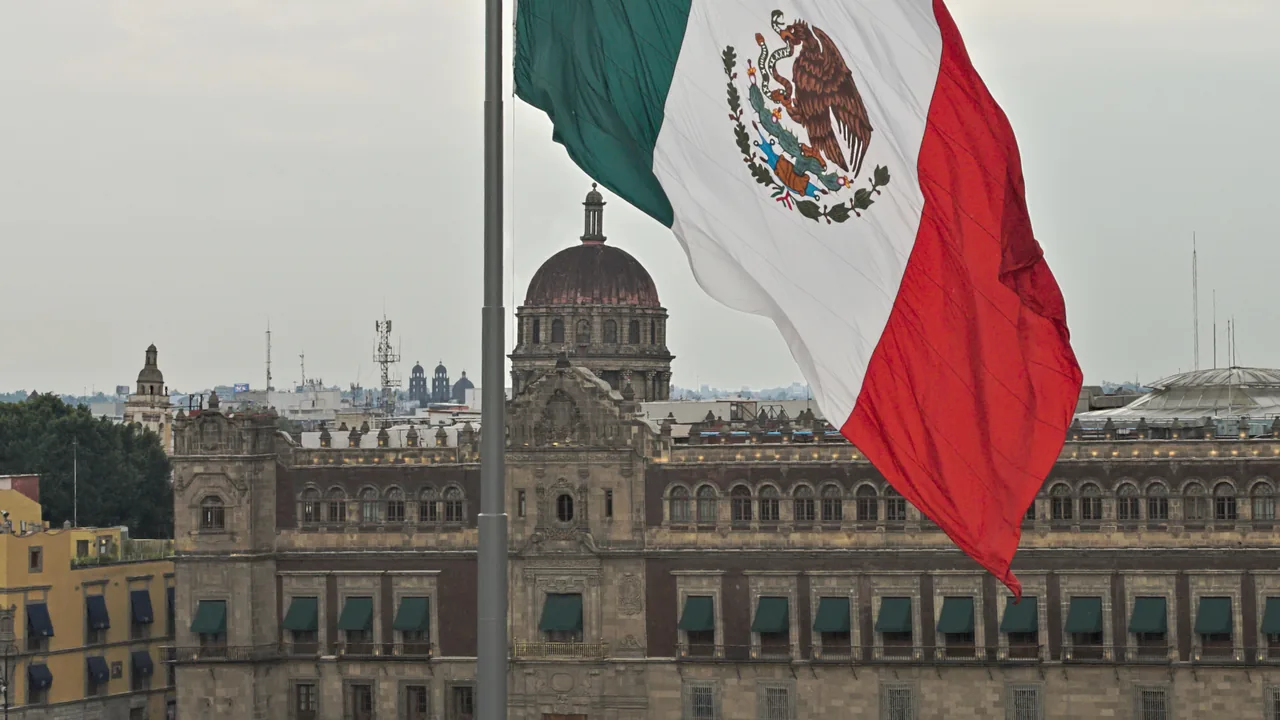
El Zócalo (FIFA Fan Festival). The official tournament Fan Festival, in Plaza de la Constitución in Centro Histórico — the colonial square that is one of the largest public plazas in the world. Capacity 80,000+, free entry, multiple giant screens, main stage for live programming between matches, food and merchandise concessions. Runs every match-day from June 11 through July 19 — every match across all 16 host cities is broadcast. The opener will be the busiest day of the entire window; arrive at least three hours before kickoff to get a sightline of the main screen. The plaza is flanked by the Metropolitan Cathedral and the National Palace, which is the kind of backdrop that takes the broadcast b-roll seriously. This is the single most atmospheric place in the entire tournament to watch a match without a stadium ticket.
The borough fan zones. The city government has stood up 18 free fan festivals across Mexico City — at least one per borough, plus a fan mile along Paseo de la Reforma, plus the Zócalo. Seven of the 18 sites will screen all 104 tournament matches; the other 11 show Mexico's games plus a curated selection. The borough zones are smaller standing footprints, community-organised, with neighborhood food vendors — and alcohol sales are prohibited, which the city has framed as a family-and-safety call. Use the Mexico City government tournament portal for the full address list once the borough roster is locked.
European-football bars in Roma Norte and Condesa. The Dog House Pub in Roma Norte is the European-football crowd's anchor — walls of memorabilia, multiple screens, gastropub menu. Celtics Pub in Condesa runs an Irish set-up with a rooftop and live music. La Cervecería de Barrio (multiple locations across Polanco, Condesa and Roma) is the Mexican chain-pub option that fills with mixed Mexico-and-visitor crowds and is the most comfortable bet if you want a sit-down screening rather than a standing crush. For a more upmarket bar option, BeerGarden Roma's plant-filled patio runs a Korean fried chicken plus craft beer menu that draws a younger expat-and-local mix.
Where Should You Eat and Drink Around the Match?
The dinner-shift centres for opening weekend are Roma Norte and Condesa. Polanco runs the upmarket tier. Centro Histórico runs the heritage tier. The street-food shelf is the city's signature.
The street-food layer. Al pastor — pork marinated in dried chiles, stacked on a vertical trompo (spit), shaved onto small corn tortillas and topped with pineapple, onion and cilantro — is the city's defining taco. It's the food you eat after the match, standing at a sidewalk stand at 1 AM, decompressing the result. The late-night taco stands across Roma, Condesa and Centro Histórico run cash-only, stay open past 2 AM on weekends, and are the post-match ritual the city is built around. El Vilsito (a mechanic's garage by day that flips into a taquería at night) and El Califa are two of the more visited destinations, but the right approach is to walk and follow the crowd at a stand that's busy.
Sit-down dinner. Polanco's upmarket tier runs through Pujol (Tennyson Street) and Quintonil (Av. Isaac Newton), both ranked on the World's 50 Best year on year — both carry significant waitlists year-round, and opening week makes this worse. Sylvestre is the Polanco steakhouse where football-industry visitors and team staff are commonly spotted during international windows; reservations weeks ahead for opening weekend are essential. For Roma Norte, Máximo Bistrot anchors the small-room contemporary scene, Contramar runs the lunch-shift ceviche tradition, and Licorería Limantour handles the late-cocktail crowd. Italian-leaning options — Rosetta on Calle Colima, Sartoria on Orizaba — carry the same Roma weight.
Pre-match brunch. Condesa's café culture is the city's set-piece for the late-morning pre-match window. The strip around Parque México runs cafés with sidewalk seating where you can settle in for two hours before heading south to the stadium or to the Zócalo. Lardo (a Mediterranean-leaning bakery-café) is a Condesa anchor that handles the brunch shift well. For something rooftop-with-a-view, hotel bars at Andaz Condesa or the Camino Real Polanco hold pre-match crowds before kick-off.
What's the FIFA Fan Festival at Zócalo and When Does It Run?
Zócalo de la Ciudad de México hosts the official FIFA Fan Festival for the entire 2026 World Cup window. Opens Thursday June 11 alongside the Mexico vs South Africa opener. Closes Sunday July 19 (the day of the final at MetLife Stadium in New Jersey).
The Zócalo is officially Plaza de la Constitución — one of the largest public squares in the world, sitting at the centre of Mexico City's Centro Histórico (the colonial core). The Metropolitan Cathedral lines the north side, the National Palace the east, and the Antiguo Ayuntamiento (the old federal district government building, now the city government headquarters) the south, with the Templo Mayor (Aztec temple complex) archaeological zone immediately northeast. The square has been the ceremonial centre of the city since the Aztec era and through the colonial and modern Mexican Republic periods — the Fan Festival sits on top of that history rather than alongside it.
What FIFA fits onto the square: multiple giant screens, a main stage for live programming between matches, food and merchandise concessions, accessibility infrastructure. Capacity is around 80,000 — by a wide margin the largest Fan Festival across the three host countries (Times Square in New York and BC Place's adjacent fan space in Vancouver are both much smaller standing footprints). Every tournament match across all 16 host cities is shown live, not only Mexico City fixtures. Entry is free; security checkpoints at the perimeter screen for bags. Opening day will be the busiest day of the entire festival window — get to the perimeter at least three hours before kickoff if you want a sightline of the main screen, longer if you also want a spot near the stage.
What Should First-Time Visitors to Mexico City Know?
A short list of things that come up on every first trip.
- Altitude. Mexico City sits at 2,240m / 7,350ft above sea level. Most visitors notice the thinner air through the first 24-48 hours — mild headache, fatigue, shortness of breath on stairs. Pace yourself, hydrate, save the heavy mezcal night for after you've acclimatised. The opening ceremony at 11:30 AM puts you outdoors at altitude in direct sun for two hours before kickoff; bring a hat and water.
- Water. Bottled or filtered, including for brushing teeth. Hotels and most sit-down restaurants serve filtered water; street vendors and casual taquerías do not. Buy 1.5L bottles at any OXXO convenience store.
- Cash and card. Cards work for hotels and most restaurants. Late-night taco stands, market stalls and tip culture run on small-denomination peso cash. Pull a few thousand pesos from a bank-branded ATM (BBVA, Citibanamex, Santander) on arrival; skip the airport currency desks for the worst rate, and skip standalone ATMs in tourist districts for skimming risk.
- Spanish. Roma and Condesa restaurant staff usually have working English. Outside the central neighborhoods, less so. Basic restaurant Spanish — gracias, por favor, la cuenta por favor, sin hielo (no ice), para llevar (takeaway) — carries most situations.
- Safety. Stick to the central neighborhoods (Condesa, Roma Norte, Polanco, Centro Histórico, Coyoacán) and use Uber after dark rather than walking longer distances. The match-day mood across the city is warm and welcoming — opening day in particular runs on host-nation pride. Don't flash phones or jewellery in the Metro at peak hours.
What's Next After the Opener for Mexico City?
Estadio Ciudad de México (Azteca) hosts five matches across the tournament.
- Thursday June 11 — Mexico vs South Africa (Group A). The opener. Kickoff 1:00 PM local / 3:00 PM ET.
- Wednesday June 17 — Uzbekistan vs Colombia (Group K). The second match. Kickoff 8:00 PM local / 10:00 PM ET.
- Wednesday June 24 — Mexico vs Czechia (Group A closing fixture). Mexico's second Azteca outing. Kickoff 7:00 PM local / 9:00 PM ET.
- Tuesday June 30 — Round of 32. Group A winner vs the best third-placed team across Groups C/E/G/H/I. Kickoff 7:00 PM local / 9:00 PM ET.
- Sunday July 5 — Round of 16. Bracket placement to be confirmed after the group stage. Kickoff 6:00 PM local / 8:00 PM ET.
Mexico's second group-stage fixture (Mexico vs Korea Republic on Thursday June 18) is in Guadalajara, not Mexico City — the team rotates north for one match-day before returning to the Azteca for the Czechia closer. The Round of 32 is the new knockout round added when the tournament expanded from 32 to 48 teams; it sits between the group stage and the traditional Round of 16. After July 5, Mexico City's hosting role ends; the bracket moves north to the United States for the quarter-finals, semi-finals and the final at MetLife Stadium in East Rutherford, New Jersey on Sunday July 19. The matchup history of Mexico vs South Africa — the same fixture that opens 2026 also closed the 2010 World Cup group stage — sits in our companion Again, Bafana piece, and a deeper opener-specific tactical read is in our opening match guide.
Frequently Asked Questions
When does the 2026 World Cup open in Mexico City?
Thursday June 11, 2026 at Estadio Azteca in southern Mexico City, renamed Estadio Ciudad de México for the tournament per FIFA's policy against corporate stadium naming. Opening ceremony begins at 11:30 AM local time (Mexico City is UTC-6, no daylight-saving shift in June). Kickoff is 1:00 PM local (3:00 PM ET, 8:00 PM BST, 9:00 PM CEST). Mexico hosts South Africa in the first fixture, with Group A also containing Korea Republic and Czechia. Mexico's second group match is in Guadalajara on June 18; the team returns to the Azteca on June 24 against Czechia. The opener is the only World Cup match Mexico City hosts on opening day, which makes the city the global broadcast centre of the tournament's first afternoon.
Where should I stay in Mexico City for the opening weekend?
Three central neighborhoods cover the realistic range: Condesa (leafy, walkable, mid-to-upscale design hotels and apartment rentals around Parque México), Roma Norte (next door to Condesa, the densest dinner-shift neighborhood in the city with restaurants like Máximo Bistrot and Contramar, plus mezcalerías and small hotels), and Polanco (the upmarket business district with the global hotel chains and most luxury options). Hyatt-brand properties anchor the design-led end (Andaz Mexico City Condesa is the standout for opening weekend), while Polanco carries the Four Seasons, the St. Regis and the Las Alcobas. Apartment rentals in Condesa and Roma Norte run a wide price range and let you host a pre-match group. Avoid staying near the stadium itself — Santa Úrsula Coapa is a residential district with limited hotel supply and leaves you isolated from the city's dining and bar scene. Stay central, commute south on match day.
How do I get from central Mexico City to Estadio Azteca on match day?
The Tren Ligero (light rail) from Tasqueña is the cleanest option. Take Metro Line 2 (Blue) southbound to its terminal at Tasqueña, then transfer to the Tren Ligero — one line, signposted — and ride one stop to the Estadio Azteca station, a short walk from the stadium's south entrance. The full Metro + Tren Ligero combination costs about $0.50 USD total (5 pesos Metro + 3 pesos Tren Ligero) and runs without the traffic that strangles the surface road network on match days. Uber is the alternative: expect 45-60 minutes from Condesa or Roma Norte on a non-match day, more like 75-90 minutes on opening day with surge pricing two to three times the off-peak rate. Official tournament shuttles run from designated central pickup points; check the Mexico City government's mobility portal for routes. Don't rent a car: parking around the stadium is restricted, and the traffic patterns reset multiple times across match-day for security operations.
Where can I watch the opening match without a ticket?
El Zócalo, officially Plaza de la Constitución, is the FIFA Fan Festival venue for Mexico City — capacity 80,000+, free entry, running every tournament match-day from June 11 through July 19 with giant screens, live programming and food vendors. It's the largest official Fan Festival across the three host countries and the most atmospheric place to watch the opener if you don't have a stadium ticket. The plaza is flanked by the Metropolitan Cathedral and the National Palace; arrive at least three hours before kickoff for opening day to get a sightline. The city government has also stood up 18 free fan festivals across Mexico City — at least one per borough, plus a fan mile along Paseo de la Reforma, plus the Zócalo. Seven of the 18 sites screen all 104 tournament matches; the other 11 carry Mexico's games plus a curated selection. Alcohol sales are prohibited at the borough fan zones — the city has framed them as family-and-safety spaces. The English-speaking bar scene clusters in Roma Norte and Condesa: The Dog House Pub in Roma Norte is the European football crowd's anchor, Celtics Pub in Condesa runs an Irish-pub set-up with rooftop seating, and La Cervecería de Barrio (multiple Polanco and Condesa locations) is the Mexican chain-pub option that fills with mixed Mexico-and-visitor crowds.
Where should I eat before and after the match in Mexico City?
Roma Norte and Condesa are the dinner-shift centres for the opening weekend. The street-food shelf runs on al pastor (the city's signature pork-on-spit taco, served on small corn tortillas with pineapple) and post-match the stand crawl is part of the after-game ritual — the late-night taco stands across Roma, Condesa and Centro Histórico run cash-only and stay open past 2 AM. For sit-down options in Polanco, Sylvestre is the upmarket steakhouse where football industry visitors and team staff are routinely spotted during international windows; reservations are essential weeks in advance for the opening weekend. The Dog House Pub doubles as a European-style gastropub menu alongside the screens; BeerGarden Roma is the Roma Norte option for craft beer plus Korean fried chicken and burgers. For a pre-match Mexico City brunch, Condesa's café culture (the strip around Parque México) is the city's set-piece, with the rooftop terraces becoming match-day vantage points if your hotel happens to have one.
What's the FIFA Fan Festival at Zócalo and when does it run?
Zócalo de la Ciudad de México hosts the official FIFA Fan Festival for the duration of the 2026 World Cup, opening on Thursday June 11 alongside the Mexico vs South Africa match and running through Sunday July 19 (the day of the final at MetLife Stadium in New Jersey). The Zócalo is one of the largest public squares in the world, officially Plaza de la Constitución — the Metropolitan Cathedral on the north, the National Palace on the east, the Antiguo Ayuntamiento (the old federal district government building) on the south, and the Templo Mayor Aztec temple complex immediately northeast. FIFA fits the square with multiple giant screens, a main stage for live programming between matches, and concession areas for the standard tournament food and merchandise offer. Entry is free. Every tournament match across all 16 host cities is shown live. Capacity is around 80,000 fans which makes it the largest Fan Festival across the three host countries by a clear margin — for comparison, the Times Square Fan Festival in New York has a much smaller standing footprint.
What should first-time visitors to Mexico City know?
Five practical heads-up items beyond the basics. (1) Altitude: Mexico City sits at 2,240 metres above sea level. Most visitors notice the thinner air in the first 24-48 hours through mild headache or fatigue; pace yourself, hydrate, and skip the heaviest mezcal night until you've been in town a day. (2) Water: drink bottled or filtered water, including for brushing teeth. Most restaurants and hotels serve filtered water, but street vendors and casual taquerías do not. (3) Cash and card: cards work everywhere for hotels and most restaurants, but late-night taco stands, market stalls and tip culture run on small-denomination peso cash. Withdraw from a bank ATM rather than airport currency desks for the best rate. (4) Spanish: a basic 'gracias / por favor / la cuenta' goes far. Most Roma and Condesa restaurant staff have working English; outside the central neighborhoods, less so. (5) Safety: stick to the central neighborhoods (Condesa, Roma Norte, Polanco, Centro Histórico) and use Uber at night rather than walking longer distances. The match-day mood across the city is warm and welcoming — opening day in particular runs on host-nation pride that visitors notice on arrival.
What other Mexico City matches are at the World Cup?
Estadio Azteca / Estadio Ciudad de México hosts five matches across the tournament. Three group-stage fixtures: Mexico vs South Africa on Thursday June 11 (the opener), Uzbekistan vs Colombia on Wednesday June 17 (Group K), and Mexico vs Czechia on Wednesday June 24 (the closing Group A fixture). Two knockout-stage fixtures: a Round of 32 game on Tuesday June 30 (Group A winner vs the best third-placed team across Groups C/E/G/H/I), and a Round of 16 game on Sunday July 5 (knockout-bracket placement to be confirmed). The Round of 32 is new for 2026 — the tournament's expansion from 32 to 48 teams added the extra knockout round before the Round of 16. After July 5, Mexico City's hosting role ends and the bracket moves north into the United States for the quarter-finals and beyond, with the final at MetLife Stadium in East Rutherford, New Jersey on Sunday July 19.
People Also Ask
Data sources
- FIFA — Mexico City Host City Guide
- FIFA — Mexico City Stadium hosts opening match
- Mexico News Daily — FIFA takes over Azteca Stadium for World Cup
- Mexico City CDMX gov — Mobility Guide for the Mexico City Stadium
- beIN Sports — Estadio Azteca makes history with three World Cup opening matches
Published: