Mexico City Museums World Cup 2026: Football Art Exhibitions
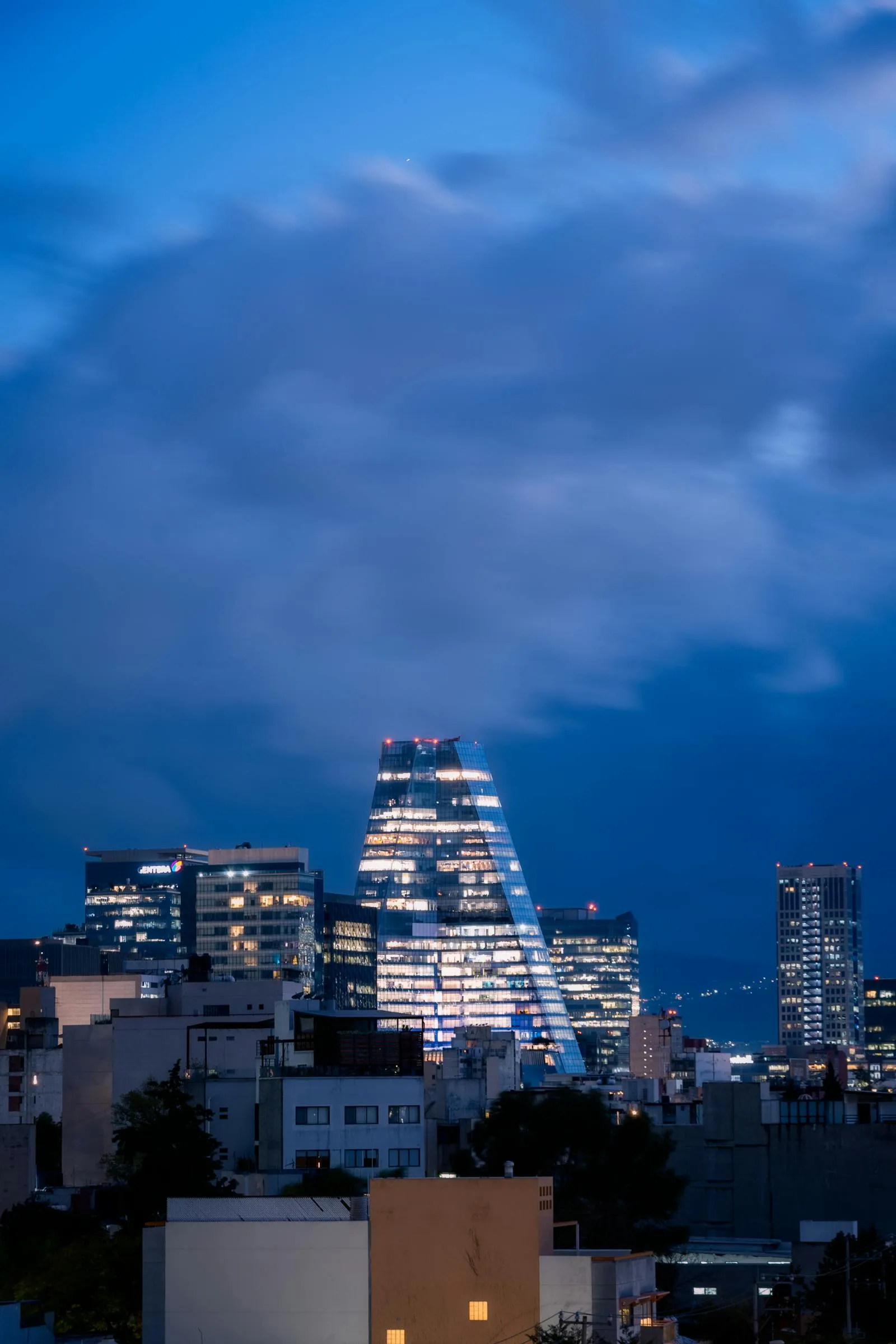
Mexico City did not treat the World Cup as a month of football and nothing else. The city government built a Cultural Corridor: 19 football-themed exhibitions across 17 museums and landmarks, part of more than 20 cultural spaces running tournament programming. Most of it opened weeks before kickoff and runs deep into August, so if you're in town for a match with a spare daytime, the museums are where the city put the other half of the party.
What Is Mexico City's World Cup 2026 Cultural Corridor?
The Corredor Cultural is the Mexico City government's official cultural programme for the tournament: 19 football-themed exhibitions staged across 17 museums and landmarks, sitting inside a wider push of more than 20 cultural spaces with World Cup content. The city is bracing for upwards of five million visitors across the tournament, and the corridor exists to give those visitors something to do with the daytime hours that aren't filled by a match or a Fan Festival crowd.
It spans both public and private institutions, and the shows are not novelty tie-ins. The flagship art shows were curated over months, the photography is new commissioned work, and several institutions adjusted their operations specifically for the tournament window. The official calendar (venues, dates, ticketing) lives on the city's World Cup platform at mexicocityfwc26.com.mx, which is the place to confirm anything before you go, because individual exhibition dates shift.
The useful thing for a travelling fan: most of these exhibitions opened in spring 2026 and run into August. Mexico City only hosts matches from June 11 (the Mexico vs South Africa opener) through July 5 (a Round of 16). The shows bracket that window on both sides, so you are never forced to choose between a museum and a match.
What's On at Museo Jumex?
Jumex, the contemporary-art museum in Polanco that sits beside the Soumaya, is the corridor's centre of gravity, and it's running two shows.
Fútbol y Arte: Esa misma emoción (Football and Art: That Same Emotion) is the big one — nearly 100 contemporary works by 60 artists from 13 countries, all circling the game, its imagery and the emotion it generates. It runs March 28 to July 26, 2026, which covers the entire Mexico City match window. The framing is the overlap between football, contemporary art and visual culture rather than memorabilia, so it reads as a real exhibition that happens to be about football, not a sponsor activation.
Objects of Glory opens later, June 10 to August 30, 2026, and goes the other way: significant physical objects from the history of the sport, assembled to trace football's defining moments. Between the two, Jumex gives you both the conceptual-art read and the relic read under one roof.
Entry to the World Cup shows is free with no reservation needed (general admission is normally 50 pesos, and Sundays are free year-round), which makes Jumex the lowest-friction high-end art stop in the city. It's a short walk from the Masaryk restaurant strip and the Soumaya, so it folds cleanly into a Polanco day, the neighbourhood a lot of visitors are already staying in for the tournament.
What's the Franz Mayer Football Exhibition About?
The Franz Mayer Museum, a decorative-arts museum in a former colonial hospital building on the edge of the Alameda Central in the Centro Histórico, is showing Fútbol. Diseñando una pasión (Football: Designing a Passion) through August 16, 2026.
The angle is design, not drama. The exhibition traces how engineering, architecture, industrial design and aesthetics shaped the game and the World Cup over time: the evolution of the ball and the boot, the architecture of stadiums, the visual language of kits and broadcast graphics. It fits the Franz Mayer's identity as a design and applied-arts institution, and it's the most "object and craft" of the corridor's headline shows.
Location makes it easy to pair. The Franz Mayer is a short walk across the Centro Histórico from Plaza de la Constitución, where the FIFA Fan Festival runs at the Zócalo every match day. A Centro day can reasonably take in the museum in the early afternoon and the Fan Festival for an evening match.
What Can You See at the Anthropology Museum and Tamayo?
Both sit inside Bosque de Chapultepec, the city's central park, which means they can be done as one visit.
National Museum of Anthropology. Mexico's most-visited museum, and the home of the Aztec Sun Stone, opens 'Annie Leibovitz y México 1986–2026' on June 8. The hook is the 40-year bracket. Leibovitz shot the official poster campaign for the 1986 World Cup here, photographing Chichén Itzá, Teotihuacan, Tula and Kabah, and the show hangs that archive next to new work she has made for 2026. For a city hosting its second World Cup in the same stadium, putting her 1986 and 2026 frames in one room is the corridor's sharpest idea.
Museo Tamayo. A short walk away in the same park, Tamayo adds World Cup-themed programming from June 10 that treats the sport as a route into the body, the crowd and spectacle, rather than as the subject itself. It runs alongside a Rufino Tamayo retrospective and a show on Mexican artists who peaked around the 1986 World Cup, the last time the country hosted — a deliberate echo, given the Azteca is hosting its third opener.
Both are a short Uber or Metro ride from Condesa, Roma Norte and Polanco. A Chapultepec day can take in the Anthropology museum, Tamayo and the Castillo de Chapultepec without rushing.
How Do You Plan a Museum Day Around a Match?
Because the shows run for months, the best plan is to keep them off your match days entirely and use the gaps. Mexico City's five matches are spread across June 11, June 17, June 24, June 30 and July 5, which leaves plenty of non-match daytime in between. Group your venues by neighbourhood so you're not crossing the city twice:
- Polanco day: Museo Jumex (both football shows) plus the Soumaya next door, then lunch on Masaryk.
- Chapultepec day: National Museum of Anthropology (Leibovitz) plus Museo Tamayo, both in the park, with the Castillo de Chapultepec if you have the legs for it.
- Centro Histórico day: Franz Mayer in the afternoon, then the Zócalo Fan Festival for an evening match. One Metro ride covers both.
If your only free time is a match day, an evening kickoff still leaves the late-morning and early-afternoon window open for one venue. A couple of practical notes: most Mexico City museums close on Mondays, several adjusted their hours for the tournament, and federal museums (including Anthropology) are free on Sundays for residents, which makes them busier that day. Confirm hours and any timed-entry rules on each museum's site or the official corridor platform before you commit a half-day to it.
For the rest of the trip (neighbourhoods to stay in, the Tren Ligero to Azteca, where to watch the opener without a ticket, where to eat after the final whistle), our opening weekend fan guide and tickets and altitude guide carry the match-day side. The group context for Mexico's tournament is in our Group A preview.
Frequently Asked Questions
What is Mexico City's World Cup 2026 Cultural Corridor?
The Corredor Cultural (Cultural Corridor) is the Mexico City government's official cultural programme for the 2026 World Cup: 19 football-themed exhibitions staged across 17 museums and landmarks, with more than 20 cultural spaces running World Cup programming in total. The city expects more than five million tournament visitors and built the corridor to give them a reason to spend daytime hours in the museums rather than only at the stadium and fan zones. The anchor venues are Museo Jumex, the Franz Mayer Museum, the National Museum of Anthropology and Museo Tamayo, but the programme reaches across both public and private institutions. The full venue list and the current exhibition calendar are published on the city's official World Cup platform (mexicocityfwc26.com.mx). Most exhibitions opened in spring 2026 and run into August, so they cover the entire window Mexico City hosts matches (June 11 to July 5) and then some.
What football exhibitions are at Museo Jumex?
Museo Jumex, the contemporary-art museum in Polanco next to the Soumaya, runs two World Cup shows. 'Fútbol y Arte: Esa misma emoción' (Football and Art: That Same Emotion) gathers nearly 100 contemporary works by 60 artists from 13 countries, all built around the game and its visual culture, and runs March 28 to July 26, 2026. From June 10 to August 30, Jumex also stages 'Objects of Glory', which brings together significant objects from football history to trace the sport's defining moments. Entry to both World Cup shows is free with no reservation required (Jumex's general admission is normally 50 pesos, free on Sundays), which makes it the easiest high-end art stop to fold into a match-week day in Polanco, a short walk from the Masaryk restaurant strip and the Soumaya.
What is the Franz Mayer Museum football exhibition about?
The Franz Mayer Museum, in the Centro Histórico near the Alameda Central, is showing 'Fútbol. Diseñando una pasión' (Football: Designing a Passion), which runs through August 16, 2026. The exhibition looks at the game through design rather than results — how engineering, architecture, industrial design and aesthetics shaped the evolution of football and the World Cup, from boots and balls to stadiums and broadcast graphics. It's a natural pairing with a Zócalo Fan Festival day, since the Franz Mayer sits a short walk from Plaza de la Constitución across the Centro Histórico.
Are the National Museum of Anthropology and Museo Tamayo part of the corridor?
Yes. The National Museum of Anthropology in Chapultepec, Mexico's most-visited museum, opens 'Annie Leibovitz y México 1986–2026' on June 8 — pairing the photographs she shot for the 1986 World Cup poster campaign (Chichén Itzá, Teotihuacan and other sites) with new 2026 work. Museo Tamayo, also in Chapultepec, adds World Cup-themed programming from June 10 that uses the sport as a way into questions of the body, mass and spectacle, alongside a Rufino Tamayo retrospective and a show on Mexican artists who came of age around the 1986 World Cup. Both sit inside Bosque de Chapultepec, so they can be combined into a single park day, and both are a manageable Uber or Metro ride from Condesa, Roma Norte and Polanco.
How do you fit the museums around a World Cup match day?
The exhibitions run from spring through August, so you don't need to compete with kickoff. The cleaner plan is to use a non-match day — Mexico City hosts five matches spread across June 11 to July 5, leaving gaps — and group venues by neighbourhood. Polanco covers Jumex and the Soumaya in one walk. Chapultepec covers the National Museum of Anthropology and Museo Tamayo in one park visit. The Centro Histórico covers the Franz Mayer plus the Zócalo Fan Festival in one Centro day. If you only have match days, the late-morning and early-afternoon window before an evening kickoff is enough for one venue. Check opening hours before you go: several museums adjusted their schedules for the tournament, and most close on Mondays.
Do you need tickets in advance for the World Cup museum exhibitions?
It varies by venue. Museo Jumex's World Cup shows are free with no advance booking, though tournament weeks will be busier than usual. The National Museum of Anthropology, Franz Mayer and Museo Tamayo charge modest entry fees (typically well under 100 pesos, with discounts for students, teachers and seniors, and free Sunday entry for Mexican residents and foreign residents at federal museums). For the headline shows during the busiest tournament days, check each museum's site for timed-entry or capacity rules, which some institutions add for marquee exhibitions. The official Cultural Corridor platform links through to each venue.
People Also Ask
Data sources
- Mexico City FWC26 — Official Cultural Corridor
- My Modern Met — 19 Soccer-Inspired Exhibits in Mexico City
- ARTnews — Museo Jumex 'Football & Art' Exhibition
- Remezcla — Museo Jumex 'Objects of Glory'
- Reuters via The Star — Mexico City turns football into art
Published: