Why Mitoma Missed Japan's 2026 World Cup Squad
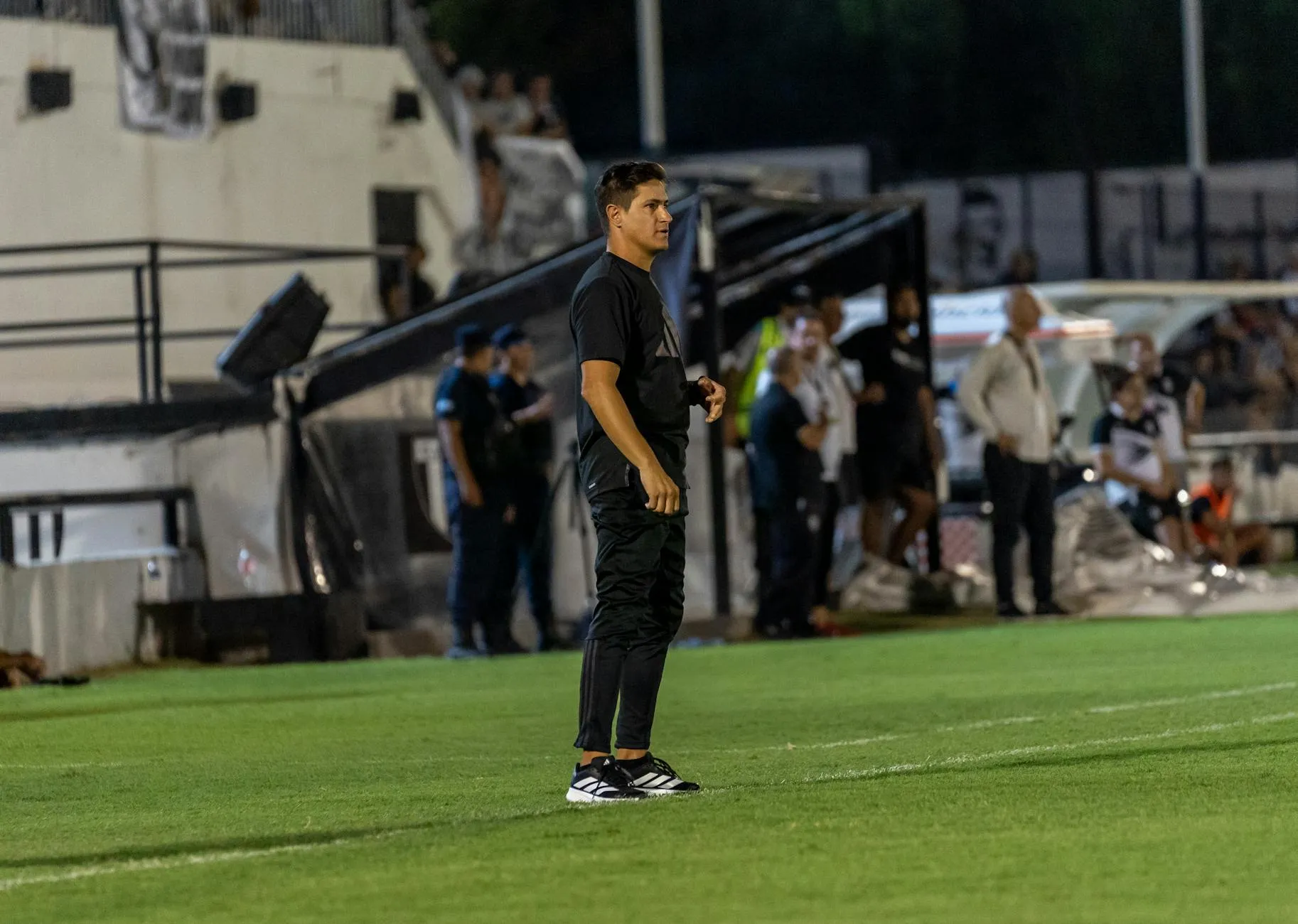
Kaoru Mitoma will not play at the 2026 World Cup. Hajime Moriyasu confirmed on May 15 that the Brighton winger — the planned left-side starter for Japan through the entire 2025-26 cycle — has been left out of the final 26-man squad after picking up a hamstring injury in Brighton's 3-0 win over Wolves on May 10. The five-week window between the injury and Japan's June 14 opener against the Netherlands was not enough.
What Happened to Mitoma?
Saturday May 10, 2026. Brighton 3-0 Wolves at the Amex Stadium. Mitoma pulled up in the second half — visibly grabbing his right hamstring — and walked off the pitch in obvious discomfort. He was substituted immediately. Brighton's medical staff confirmed a hamstring strain within 48 hours; by Tuesday May 13, the Japanese national team's medical liaison had been briefed on the severity.
The injury itself is the kind that, in a normal Premier League season, costs a player 4-6 weeks. The problem for Japan is the calendar: Japan's first World Cup match is June 14, exactly five weeks after the injury. Even an optimistic recovery would put Mitoma back at training in early June — with no time for match fitness, no warm-up fixtures, and the most physically demanding tournament of his career as his return match. The medical team's read was that the risk-reward did not work. Better to take Itō at full fitness than Mitoma at 60%.
Why Mitoma Mattered to Japan's Plan
Japan's attacking identity through the entire 2025-26 cycle ran on the wide pair. Kubo on the right, Mitoma on the left, with the Endo-Morita double pivot taking the structural defensive load. The whole tactical case for Japan as a 2026 dark horse was that this wide pair — Premier League and La Liga refined, in their attacking primes, with four years of internationally settled chemistry — was the kind of weapon Japan had never previously had.
The 2022 Qatar template — beat Germany 2-1, beat Spain 2-1, lose to Croatia on penalties — was built on the same template: compress the opponent's deep midfielder with the double pivot, then attack through quick wide transitions. Mitoma was on the pitch for Germany's goal and started both games. The 2026 version was supposed to add Premier League finishing volume to that template. Instead, Japan's wide threat going into the Netherlands opener is Itō — a different, more direct profile, with less ability to win individual duels against top-tier full-backs.
Against Denzel Dumfries specifically, Mitoma's 1v1 record was Japan's clearest goal-scoring path. Dumfries is one of the most attack-leaning right-backs in the tournament; Mitoma's pace and dribbling were what would have punished him on the counter. Itō at Dumfries is a less favourable individual matchup — the Dutch right-back's defensive limitations are exposed by 1v1 pace and direction changes, not by vertical running.
Who Replaces Mitoma — and Is It Enough?
Junya Itō (Stade de Reims) absorbs the left wide role. He is a four-time World Cup veteran — Qatar 2022 was his third — and the squad's most experienced wide attacker outside Mitoma. His Ligue 1 form at Reims has been steady. But the profile is fundamentally different:
- Mitoma's strengths: left-footed left winger, elite 1v1 dribbling, comfortable cutting inside or going outside, drew the most fouls per 90 of any Premier League winger in 2024-25.
- Itō's strengths: right-footed natural right winger (now asked to play left), vertical runs and crossing volume, set-piece delivery, more reliable defensive workrate.
The structural read: Moriyasu will likely compensate by shifting Daichi Kamada slightly higher as the central No. 10 and letting Kubo drift wider when needed. Set pieces become more important — Itō's delivery is the squad's cleanest. The 3-4-2-1 variation Moriyasu uses against possession-dominant opponents (it worked vs Spain in 2022) becomes more attractive because the wing-back outlets compensate for the lost wide-attacker quality.
Is it enough? Honestly, no — not at the same level. Mitoma was the kind of player who could win a match on his own through a single 1v1 wide breakthrough. Itō is not. Japan's ceiling drops from "credible quarter-final dark horse" to "Round of 16 with a softer bracket." The cycle's tactical centrepiece has been removed five weeks before the tournament starts.
Tomiyasu's Return Is the Quiet Good News
The squad announcement's other major story: Takehiro Tomiyasu is in. The Arsenal defender has not played for Japan in almost two years due to a recurring sequence of injuries — knee, calf, calf again. His Premier League minutes through 2025-26 have been limited, but Moriyasu's call is that Tomiyasu's tactical intelligence and positional versatility add a tier of depth that the back-four needs at a tournament.
Tomiyasu can play right-back, centre-back or — in extreme cases — defensive midfield. That flexibility is exactly what a 4-2-3-1 / 3-4-2-1 dual system requires from a bench defender. He will not start the opener against the Netherlands; he is squad-depth insurance for the moments when one of the centre-back pair (Itakura, Ito) needs a rotation match or when the back three needs an extra defender for a knockout closing-out scenario.
What Mitoma's Absence Changes in Group F
Japan's June 14 opener vs the Netherlands was always the group-defining fixture. With Mitoma, Japan had a credible upside case — the 2022 Germany / Spain template, applied to a Dutch side that has been positionally settled but not battle-tested under structural compression. The upset path was: compress De Jong, force turnovers near halfway, Mitoma 1v1 against Dumfries, half-chance, goal.
Without Mitoma, the upset path narrows. Japan can still compress De Jong — Endo and Morita are top-tier press-resistance midfielders. But the conversion phase, the part where compression turns into chances, becomes harder. Kubo creates from interior positions but is not the same 1v1 threat as Mitoma. Itō's vertical runs work against compact deep blocks (Tunisia, eventually Saudi Arabia or Cape Verde in knockouts) less well against an aggressive high-line.
The pre-May-15 projection for the Group F opener was Netherlands 2-1. The updated projection is Netherlands 2-0 — see our updated Netherlands vs Japan prediction for the full re-write. Japan's matchday 2 vs Tunisia and matchday 3 vs Sweden are less affected — Tunisia will defend deep and Itō's profile actually suits breaking down a back-five better than Mitoma's. But the group-defining matchday 1 changes meaningfully.
The Pattern: Late-Season Hamstring Risk Is Hitting a Generation
Mitoma joins a list. Estêvão (Brazil) — hamstring vs Manchester United in April, dropped from preliminary squad. Rodrygo (Brazil) — ACL + meniscus, out for the rest of 2026. Takumi Minamino (Japan) — ACL tear in late December 2025. Jurriën Timber (Netherlands) — out since 14 March 2026 with a groin injury, fitness watch ongoing. Cristiano Ronaldo (Portugal) — missed the March international window with a hamstring; status uncertain heading into Portugal's May 19 squad announcement.
The 12-day window between the May 30 UCL final and the June 11 World Cup opener was always going to compress the late-season recovery for the elite. What no one fully anticipated is how many players would not even make it to the UCL final because the Premier League / La Liga run-in itself produced the injury. Mitoma did not play in the Brighton-Wolves match expecting to lose his World Cup. The kind of injury he sustained — non-contact hamstring strain in a routine Premier League fixture — is the modern game's quietest threat.
The structural takeaway: the elite-player calendar is broken. Five weeks between the last meaningful club match and the World Cup is the absolute minimum for a hamstring recovery, and even that is risk-managed by national team medical staff. Mitoma was unlucky on timing. He will not be the last.
Mitoma's World Cup Window Closes Here
This was Mitoma's window. At 28, he was entering the Premier League peak years that should have translated to a World Cup signature moment. The 2030 World Cup will be his 33-year-old tournament — within range for top wingers, but no longer in the prime physical window that the 2026 cycle gave him. Japan's wing depth chart is shifting toward the next generation (Doan, Ueda, the U-23 names).
The honest read is that 2026 was Mitoma's peak World Cup. The 2030 case is open but not the default. For Japanese football, the cycle's lasting frustration is that the most attacking-talented winger Japan has produced in a generation will watch the tournament from Brighton, not start it at Dallas.
For the full Japan tactical picture with the squad as it now stands, see our Japan tactical preview. For the Group F context and how Mitoma's absence reshapes the second-place fight, see our Group F preview. For other 2026 World Cup injury and squad news, see the broader squad deadline tracker.
Frequently Asked Questions
Why is Kaoru Mitoma not in Japan's 2026 World Cup squad?
Mitoma sustained a hamstring injury in Brighton's 3-0 Premier League win over Wolves on May 10, 2026 — the weekend before Japan's final squad deadline. The medical team's assessment, announced by Hajime Moriyasu at the squad press conference on May 15, was that Mitoma could not recover to competitive fitness inside the World Cup window. Japan's group stage runs June 14 to June 25, with a potential knockout run extending to July 19. The five-week gap between the May 10 injury and the June 14 opener was deemed insufficient for a hamstring tear of the severity Mitoma sustained.
When did Mitoma get injured?
Saturday May 10, 2026, during Brighton's 3-0 home win over Wolves at the Amex Stadium. Mitoma pulled up in the second half with a hamstring strain. He was substituted immediately and walked off the pitch. Brighton's medical team confirmed the injury within 48 hours; the Japanese national team's medical liaison made the final call on World Cup availability by May 14.
Who replaces Mitoma in Japan's 2026 World Cup squad?
Junya Itō (Stade de Reims) takes the left wide role. The profile is different from Mitoma's: Itō is a more direct vertical runner and crosser, with less of the 1v1 dribbling-led play that defined Mitoma's role. Moriyasu may also shift Daichi Kamada slightly higher and let Kubo drift wider on the right to compensate for the lost wide threat. The bench depth in attacking positions becomes thinner — Junya Doan and Ritsu Doan rotate through the wide attacking minutes.
How does Mitoma's absence change Japan's tactics?
Japan's whole 2025-26 attacking shape was built on the Kubo-Mitoma wide pair forcing opposing full-backs into impossible decisions. Without Mitoma, the goal-scoring path narrows materially. Kubo on the right still creates from interior positions, but the wide 1v1 threat against opposing right-backs disappears. Moriyasu's match plan vs the Netherlands on June 14 was specifically built around Mitoma running at Denzel Dumfries — that matchup is now Itō at Dumfries, a less favourable individual battle. Expect more set-piece reliance and more Kamada-as-No.10 central combinations.
Will Mitoma play at the 2030 World Cup?
Mitoma will be 33 at the 2030 World Cup — within range but no longer in his peak window. Japan's wing depth is shifting toward the next generation (Doan, Ueda, the U-23 squad). The realistic frame is that 2026 was Mitoma's peak World Cup window, and the missed tournament becomes the cycle's lasting frustration. The 2030 case is open but not the default.
When does Japan play their first match at World Cup 2026?
Sunday June 14, 2026 — Japan vs the Netherlands at Dallas Stadium (AT&T Stadium) in Arlington, Texas. Kickoff 16:00 ET / 20:00 UTC / 21:00 BST / 05:00 JST Monday June 15. The match is the Group F opener and Japan's hardest fixture of the group stage. For the full match preview see our Netherlands vs Japan prediction.
Was Mitoma fit for any of Brighton's late-season Premier League matches?
Mitoma was named in Brighton's matchday squad through April and the first half of May — the hamstring injury on May 10 was the first significant Brighton absence of his 2025-26 campaign. He had been the focal point of Brighton's wing attack across the season and was on track to start every Japan international fixture. The May 10 injury is the cleanest 'wrong week' story of any 2026 World Cup squad absence.
How does Mitoma's absence compare with Estêvão (Brazil) and Rodrygo (Brazil) — also out?
Three of the tournament's most-watched attacking players miss the 2026 World Cup for medical reasons: Mitoma (hamstring, May 10), Estêvão (hamstring vs Manchester United, April), and Rodrygo (ACL + meniscus, dropped from contention earlier). Add Takumi Minamino (Japan, ACL December 2025) and the pattern is clear — the May 30 UCL final's recovery window and the late-club-season injury risk hit a generation of stars hard. The 12-day window between UCL final and World Cup opener was always going to compress this pattern.
People Also Ask
Data sources
- Hajime Moriyasu — Japan squad announcement press conference, Tokyo, May 15, 2026
- Brighton & Hove Albion — Premier League injury report, May 10-12, 2026
- JFA — Japan World Cup 2026 final 26-man squad announcement
- FIFA — Japan World Cup 2026 fixture list (June 14 vs Netherlands at Dallas Stadium) — Editorial reporting by the WTK Sports desk on the day of the announcement.
Published: