Arsenal UCL Final: 4 World Cup 2026 Internationals

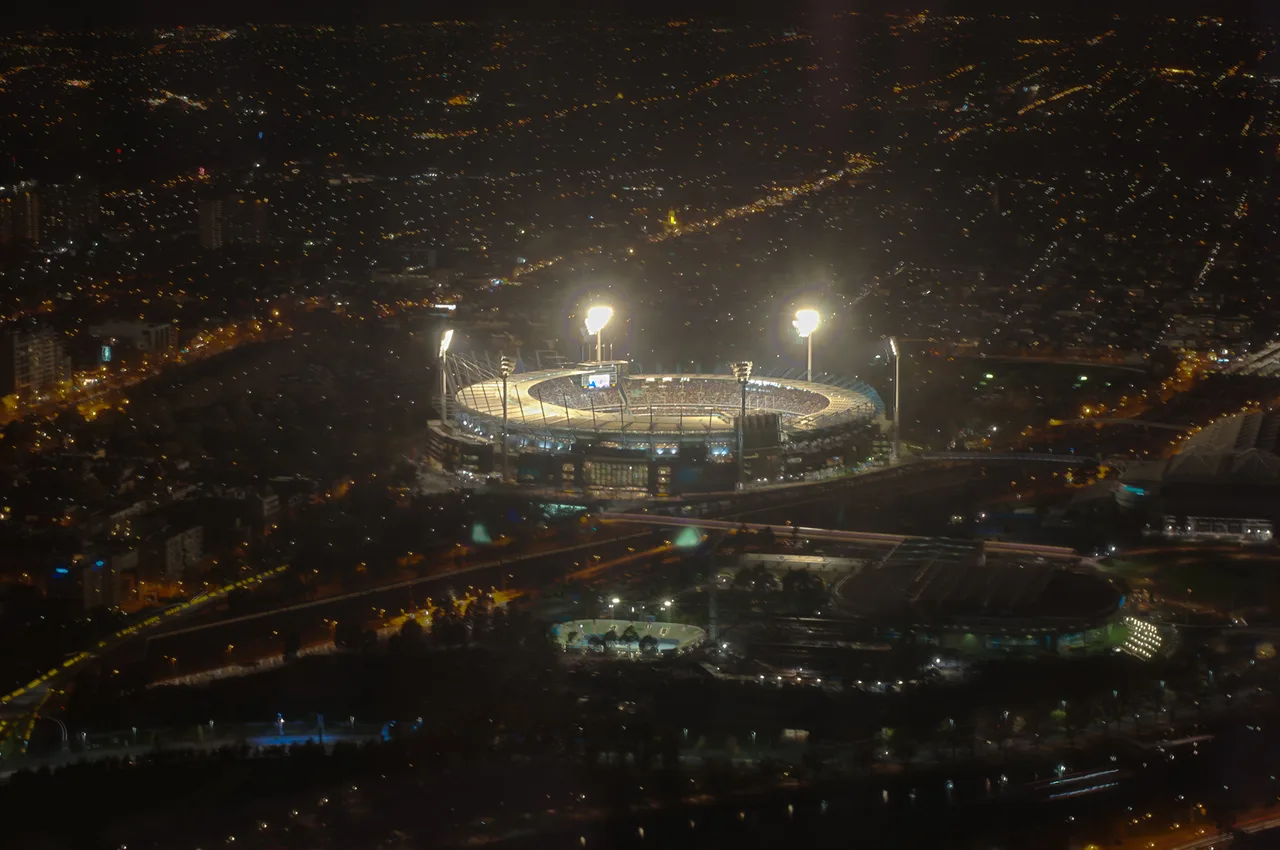
Arsenal beat Atletico Madrid 1-0 at the Emirates on Tuesday to reach their first UEFA Champions League final since 2006. The match in Budapest on May 30 lands on the same day FIFA's final World Cup 2026 squad lists are due — and four Arsenal starters now have exactly 12 days from the European club final to the World Cup opener.
What Arsenal's UCL Final Run Means for the World Cup 2026
The 2025-26 Champions League semi-final draw paired Arsenal against Atletico Madrid in late April. The first leg in Madrid finished 1-1 — see our first-leg seven-stars breakdown for the pre-match World Cup context. The Tuesday May 5 second leg at the Emirates was decided by a single moment: Saka cutting inside from the right and curling a left-foot strike past Jan Oblak in the 44th minute. The match ended 1-0; the aggregate 2-1 sent Arsenal to a final the club has not played in since 2006.
The wider club narrative — Mikel Arteta's first UCL final, Arsenal's first European trophy chance since 1994, a 20-year wait broken — is the headline. The wider football narrative is the calendar trap: the final on May 30 in Budapest is the literal same day FIFA's final 26-man squad lists must be filed. Coaches in 48 federations submit their tournament rosters at 23:59 local time on May 30. For four Arsenal players, the most important night of their club season runs in parallel with the most important night of their national-team season.
For tournament context on the 12-day window between the UCL final and the World Cup opener, see our UCL final to World Cup window guide. That piece was written before the semi-final draws were settled; the framework — accumulated minutes, soft-tissue injury risk, rotation impact — applies directly here.
The Four Arsenal Starters Under World Cup Pressure
Four Arsenal players are first-choice starters with World Cup 2026 places largely guaranteed by their national teams. Each one carries a different version of the same compressed calendar.
Bukayo Saka · 🏴 England · Right wing. The match-winner against Atletico is now the most-watched fitness story in English football for the next 25 days. Tuchel's 4-2-3-1 is built around Saka as the right-sided forward and the false-nine option if Harry Kane is unavailable. Saka has played 56 matches in 2025-26 already; the May 30 final pushes that toward 60. England's June 17 Group L opener vs Croatia is 18 days after the final — the longest recovery window of the four Arsenal starters.
Declan Rice · 🏴 England · Defensive midfield. Rice played the full 90 minutes against Atletico and is undroppable for the final. Tuchel's whole midfield structure — pairing Rice's anchoring with Bellingham's freedom — collapses without Rice. The minutes load is the variable: Rice has played 4,800+ club minutes this season. Add the Budapest final and likely two May friendlies, and he arrives at the World Cup at the highest minutes total of any English starter. England's group is the same 18-day window as Saka — manageable on paper, tight for the Round of 16 and onward.
William Saliba · 🇫🇷 France · Centre-back. France's first-choice centre-back alongside Dayot Upamecano, Saliba is also the most-improved tactical case study of the 2025-26 Premier League. Atletico's centre-forward profile (Antoine Griezmann, Julián Álvarez) tested exactly the aerial discipline Saliba has been cleanest at all season — and he came through the second leg with no booking and no withdrawal. France's first match is June 16 vs Senegal at MetLife Stadium — see our France tactical preview. Saliba has 17 days from final to first competitive match. Deschamps will not start Saliba in any of France's pre-tournament May friendlies.
Kai Havertz · 🇩🇪 Germany · Centre-forward. Germany's first-choice No. 9. Nagelsmann's Havertz-as-false-nine pattern — letting Wirtz and Musiala find space behind — is a structural pillar; see our Germany tactical preview. Havertz played 78 minutes against Atletico before being substituted. Germany's June 14 opener vs Curaçao gives him only 15 days from Budapest — the tightest window of the four. Nagelsmann has publicly delayed Germany's squad announcement to May 21, which gives him an extra week of fitness reads on Havertz, Wirtz and Musiala before the final 26 lock.
The May 30 Double Deadline Explained
Two non-negotiable football events fall on Saturday May 30, 2026.
The UEFA Champions League final. Arsenal vs the winner of Wednesday May 6's Bayern Munich vs PSG second leg. Kickoff 21:00 CET in Budapest. The match is the climax of the European club season for four Arsenal players who are also tournament fixtures for their national teams.
FIFA's final World Cup squad submission. Under FIFA tournament regulations, all 48 participating federations must submit a final 26-man squad by 23:59 local time on May 30. The provisional 35-to-55 player list (due May 11) is reduced to 26 names — these are the players who will be at the World Cup. After May 30, only injury replacements (with medical certification reviewed by FIFA) are allowed.
For coaches with Arsenal players, the calendar means two things in sequence:
- The squad is locked before the final kicks off. Tuchel, Deschamps and Nagelsmann all submit their lists earlier on May 30 — typically by midday. The Arsenal four are guaranteed in.
- The final happens with no squad escape valve. If Saka turns an ankle in the 30th minute on May 30, Tuchel cannot replace him with a non-listed alternative — Saka is already named. The medical replacement window opens, but only after FIFA reviews documentation. Most commonly that takes 48-72 hours.
The structural risk is asymmetric: the squad lock means coaches commit before the final's outcome is known. The recovery window is fixed at 12 days. Either Arsenal's four players come through the final clean and fit, or one or more arrives at the World Cup with the question marks that compressed minutes always produce.
How Arsenal's Final Reshapes Each Federation's World Cup 2026 Plan
🏴 England — most exposed. Tuchel has Saka and Rice in the same Arsenal squad, both first-choice starters in his own 4-2-3-1, both projected to play 90 minutes in Budapest. England's group is competitive — Croatia is the seeded opponent — but the 18-day recovery is workable. The bigger risk is the cumulative load through Round of 32, Round of 16, and any quarter-final. England's deepest run last cycle came at Euro 2024, where the squad's fatigue showed in the second half of the final loss to Spain. Saka and Rice are 18 months older now; the same fatigue curve applies sharper.
🇫🇷 France — single starter, single risk. Saliba is France's first-choice centre-back and arguably the squad's most valuable defensive asset alongside Upamecano. Deschamps' France can rotate around any other starter; Saliba's absence puts Konaté or Todibo into the starting XI, both competent but neither at Saliba's tactical level. The 17-day window is identical to England's. France open against Senegal — a top-14 FIFA team — so a fully fit Saliba is non-negotiable.
🇩🇪 Germany — tightest window, biggest stakes. Havertz is the Germany system's central reference. Nagelsmann's whole structure — Wirtz and Musiala finding space behind a No. 9 who drops in — depends on Havertz at his best. The 15-day recovery is the shortest of the four Arsenal starters. The good news: Germany's June 14 opener is against debutant Curaçao, which lets Nagelsmann rotate Havertz into a 60-minute outing without serious risk to the result. The first real test is June 20 against Ivory Coast (see our Group E preview) — three weeks after Budapest. By then Havertz should be at full match fitness.
🇧🇷 Brazil — Arteta's depth chart wins. Gabriel Martinelli and Gabriel Magalhães are both in Carlo Ancelotti's plans but with less guaranteed starting status than the four above. Martinelli is competing with Vinícius Júnior, Rodrygo and Estêvão for a front-three role; see our Brazil tactical preview. Martinelli's UCL-final minutes load actually makes Ancelotti's rotation easier — he can field Vinícius and Rodrygo from kickoff in Brazil's June 13 opener vs Morocco, with Martinelli as an impact substitute.
Tonight: Bayern vs PSG Decides Arsenal's Final Opponent
The other UCL semi-final concludes tonight at Allianz Arena. The first leg in Paris ended 5-4 to PSG — the highest-scoring first leg in UCL semi-final history since the 2003 reform. PSG enter tonight needing only to avoid a 1-goal-or-greater loss; Bayern need to win and limit PSG's away tally. The implications for Arsenal:
- If PSG advance. Arsenal face PSG in Budapest. PSG have seven World Cup 2026 starters across France (Hakimi, Dembélé, Hernandez), Morocco (Hakimi), Portugal (Vitinha, Nuno Mendes), and Argentina. The double exposure for France — Saliba (Arsenal) plus Hakimi/Dembélé/Hernandez (PSG) — would be the largest single-match France pile-up of the cycle.
- If Bayern advance. Bayern have seven World Cup 2026 starters across Germany (Kimmich, Musiala, Goretzka), Canada (Davies), Korea Republic (Kim Min-jae), and Austria (Laimer). Germany's exposure stacks: Havertz (Arsenal) plus Kimmich/Musiala/Goretzka (Bayern) on the same Budapest pitch. Nagelsmann would face the most concentrated club-fatigue pile-up of any 2026 federation coach.
The Wednesday May 6 result effectively decides which national-team coach has the busiest May 31 morning press conference.
What to Watch in the 24 Days to the Final
The next 24 days produce the highest-stakes football calendar of Arsenal's 2025-26 season. The May checkpoints:
- May 9-10 · Premier League round 36. Arteta will rotate. Saka likely starts; Rice may rest. Saliba and Havertz both at risk of being held back.
- May 11 · FIFA provisional 35-man squad lists due. Tuchel, Deschamps, Nagelsmann file lists that include the four Arsenal starters. No surprises expected.
- May 16-17 · Premier League round 37. Likely the last competitive league match before the final. Arteta expected to rotate heavily.
- May 21 · Germany squad announcement. Nagelsmann's delayed announcement vs the typical 5/14-5/16 window for European coaches.
- May 24-25 · Premier League final round. Arteta will field reserves to protect UCL final starters.
- May 28 · UCL final media day in Budapest. Travel and acclimatization.
- May 30 · 21:00 CET kickoff. 23:59 local FIFA squad lock. The double deadline.
- May 31 · National-team camps open. Saka, Rice → St. George's Park (England). Saliba → Clairefontaine (France). Havertz → Adidas Headquarters Herzogenaurach (Germany).
Bottom Line
Arsenal's first UCL final in 20 years is also the most-watched club fitness story for three of the World Cup 2026 favourites. England's tactical heart (Rice + Saka), France's defensive anchor (Saliba), and Germany's tactical reference No. 9 (Havertz) all play 90 high-intensity minutes in Budapest on May 30 — then have 15 to 18 days to recover before competitive World Cup football. The squad-submission deadline locks all four into their tournament rosters before the final's outcome is known. Tonight's Bayern vs PSG result determines which other federation's club-load pile-up runs in parallel with Arsenal's.
For the wider tournament context, see our top-five title favourites, the UCL final to World Cup 12-day window guide, and tactical previews for England, France and Germany.
Frequently Asked Questions
When did Arsenal last play in a UEFA Champions League final?
May 17, 2006 — Arsenal lost 2-1 to Barcelona in the Stade de France in Paris, with Sol Campbell scoring early and Henrik Larsson assisting both Barcelona goals after Jens Lehmann's red card. The May 30, 2026 final in Budapest will be Arsenal's first UCL final in exactly 20 years and one of the most significant club nights in the Mikel Arteta era.
When and where is the 2026 UEFA Champions League final?
Saturday May 30, 2026 at the Puskás Aréna in Budapest, Hungary — capacity 67,215, the same venue that hosted the 2023 Europa League final. The match kicks off at 21:00 CET (15:00 ET, 19:00 UTC). Arsenal face the winner of Wednesday May 6's Bayern Munich vs PSG second leg, with PSG holding a 5-4 first-leg lead.
What World Cup 2026 starters does Arsenal have?
Four direct first-team starters with World Cup 2026 places largely guaranteed: Bukayo Saka (England, right wing), Declan Rice (England, defensive midfield), William Saliba (France, centre-back), and Kai Havertz (Germany, centre-forward). Other Arsenal players including Gabriel Martinelli (Brazil), Gabriel Magalhães (Brazil) and Martin Ødegaard (Norway) are also in their respective national-team plans but with varying lock-in status.
Why does May 30 matter for World Cup 2026?
Two reasons converge on May 30, 2026. First, the UCL final at Puskás Aréna in Budapest. Second, FIFA's deadline for all 48 federations to submit their final 26-man World Cup squad — coaches must commit names by 23:59 local time on May 30, the same date as the European club final. This means Arsenal's four World Cup-bound starters will play the biggest club match of their careers on the literal day their international coaches lock in their tournament pool.
How long do Arsenal's World Cup starters have between the UCL final and the World Cup?
Twelve days. The UCL final is May 30; the World Cup opening match is June 11 (Mexico vs South Africa at Estadio Azteca). Arsenal's four World Cup starters return to club duty May 30, then board flights to national-team camps May 31 or June 1. Most national teams play one final friendly between June 4-7, leaving roughly four to seven days of full team training before competitive World Cup matches begin.
Could Saka, Rice, Saliba or Havertz miss the World Cup because of UCL final fatigue?
Missing the tournament outright is unlikely — none of the four federations would willingly leave a first-choice starter behind for fitness alone. But what is realistic is reduced minutes in matchday 1, particularly for Havertz (Germany face Curaçao on June 14) and Saliba (France face Senegal on June 16). Tuchel's England open against Croatia on June 17, giving Saka and Rice 17 full days of recovery — the most generous of the four. The bigger risk is mid-tournament soft-tissue injury triggered by cumulative fatigue.
When did Arsenal beat Atletico in the 2026 UCL semi-final?
Arsenal won the second leg 1-0 on Tuesday May 5, 2026 at the Emirates Stadium in London, completing a 2-1 aggregate victory after the first leg in Madrid. Bukayo Saka scored in the 44th minute. Declan Rice and William Saliba each played the full 90 minutes. The result sent Arsenal to their first UCL final in 20 years.
People Also Ask
Data sources
- UEFA — Champions League 2025-26 semi-final results and final fixture
- FIFA — 2026 World Cup squad submission rules (final 26-man deadline May 30)
- FIFA World Cup 2026 — opening match June 11, Mexico vs South Africa at Estadio Azteca
- Arsenal FC — first-team squad and 2025-26 Champions League fixtures
- Editorial review by the WTK Sports desk
Published: