Argentina World Cup 2026 Squad — Scaloni Drops Acuña
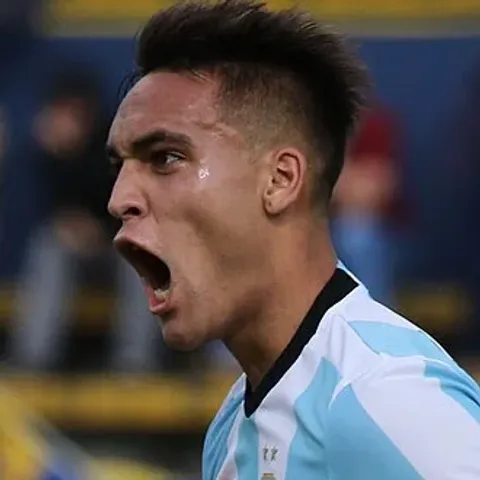
Argentina's 26 dropped Thursday afternoon, three days ahead of FIFA's June 1 deadline, through an AFA institutional video rather than a press conference. Messi captains a record sixth World Cup tournament. The story is who isn't with him. Marcos Acuña — a 2022 World Cup winner, the senior left-back from the Qatar starting XI, only 11 league games for River this season — does not make the 26. Franco Mastantuono, the 18-year-old who scored against Levante and Monaco in his debut Real Madrid season, also misses out. Emiliano Buendía is left out three weeks after lifting the Europa League with Aston Villa. Eight players in the 26 will play their first senior World Cup. The list stays provisional until June 1, but the shape Scaloni wants for the title defence is now public.
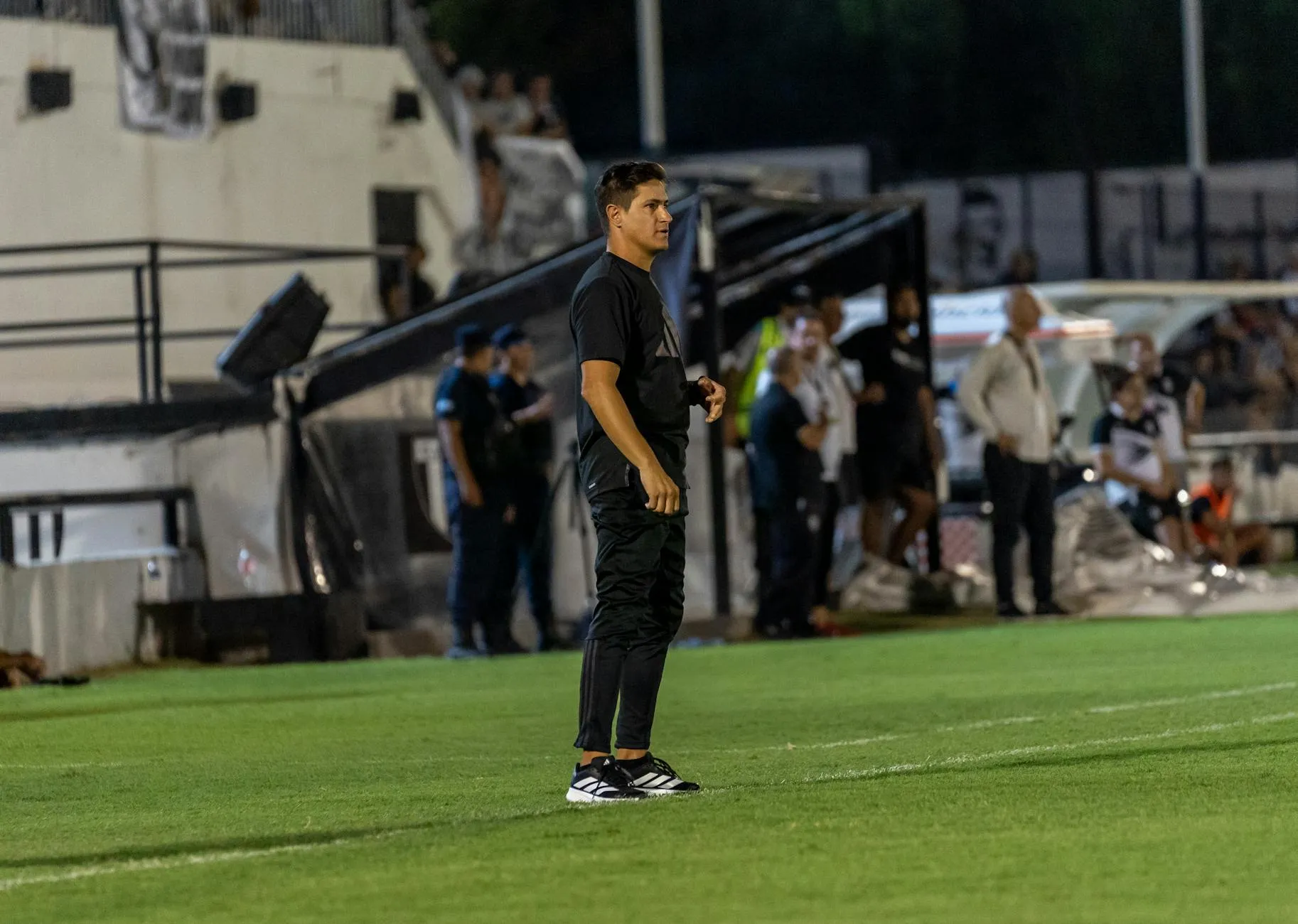
- Head coach: Lionel Scaloni. In role since 2018; led Argentina to the Qatar 2022 title.
- Captain: Lionel Messi. Rodrigo De Paul is the vice-captain.
- Goalkeeper: Emiliano Martínez. The Aston Villa keeper has owned the No. 1 shirt since the 2021 Copa América.
- Headline omission: Marcos Acuña (River Plate), on recurring fitness issues.
- Surprise snub: Franco Mastantuono (Real Madrid), 18-year-old left out on club-form dip.
- Europa League winner cut: Emiliano Buendía (Aston Villa).
- Atlético Madrid cluster: 6 players (Álvarez, Molina, Musso, González, Almada, Simeone).
- Positional split: 3 goalkeepers · 8 defenders · 7 midfielders · 8 forwards.
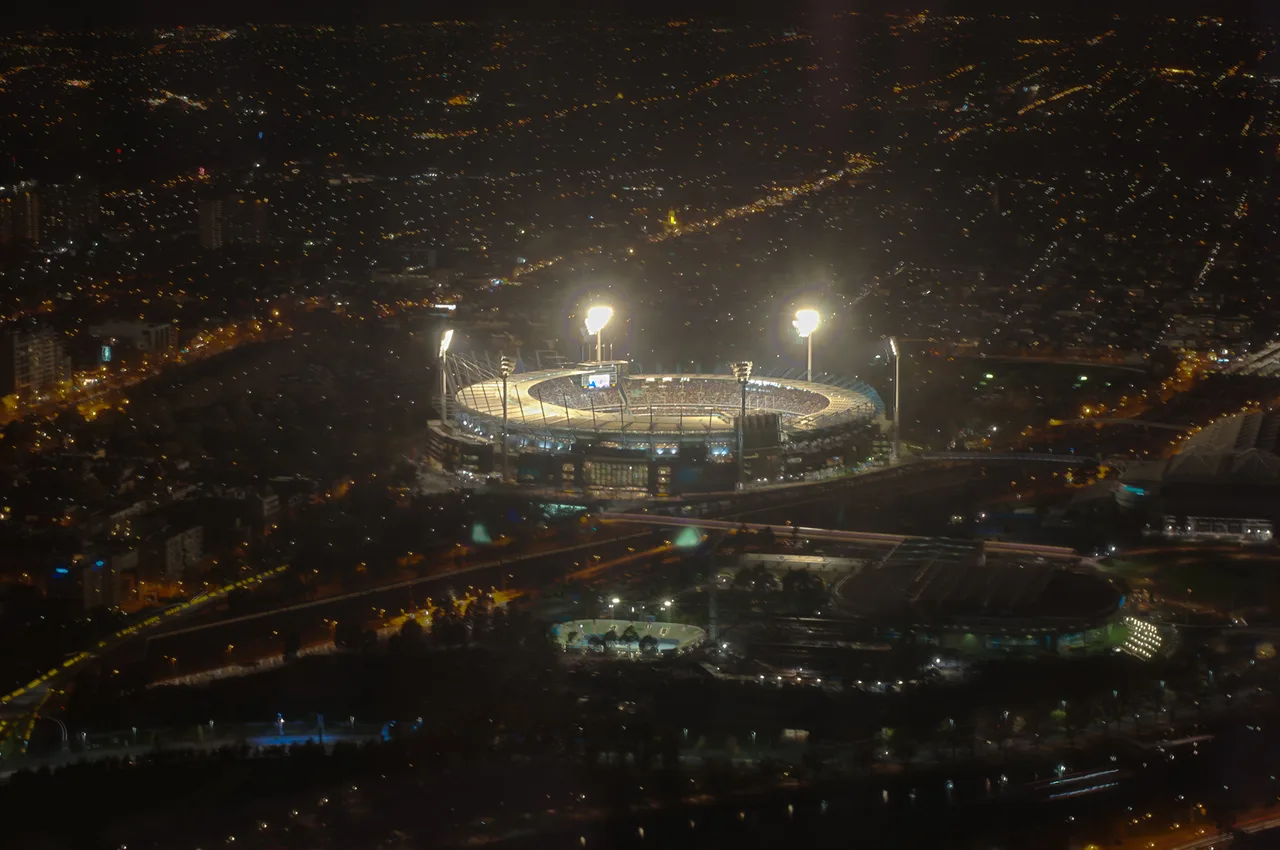
- Group J opener: Argentina vs Algeria, Tuesday June 16 at Arrowhead Stadium, Kansas City.
Who Made Argentina's World Cup 2026 Squad?
Here is the full 26, with the positional split Scaloni went for.
Goalkeepers (3). Emiliano "Dibu" Martínez keeps the No. 1 shirt from Qatar 2022. Gerónimo Rulli (Marseille) is the senior back-up after a strong Ligue 1 season. Juan Musso (Atlético Madrid) is the third keeper and a first World Cup call-up — the third-keeper slot rewarded Atlético's La Liga form over more capped alternatives in the pool.
Defenders (8). Cristian "Cuti" Romero anchors a back four that runs three-deep at centre-back: Romero, Lisandro Martínez and Nicolás Otamendi, with Leonardo Balerdi (Marseille) as the fourth centre-back option. Nahuel Molina is the first-choice right-back. Nicolás Tagliafico (Lyon) is the first-choice left-back. Gonzalo Montiel (River Plate) is the senior right-back alternative. Facundo Medina (Marseille) is the senior left-back depth and the wing-back option when the system flips into a 3-4-2-1. Eight defenders is on the higher end of recent Argentine tournament squads and reflects Scaloni's preference for back-three optionality over a deeper midfield pool.
Midfielders (7). Rodrigo De Paul anchors the right-side runner role in Scaloni's 4-3-3. Alexis Mac Allister is the box-arriving No. 8, fresh from another Liverpool season. Enzo Fernández is the interior pivot whose deep distribution sets the build-up. Leandro Paredes (Boca Juniors) is the senior alternative pivot with a different passing profile. Exequiel Palacios (Bayer Leverkusen) is the depth interior. Giovani Lo Celso (Real Betis) is the attacking-midfielder option whose late-season Champions League qualification with Betis earned him the squad place. Valentín Barco (Strasbourg) is the youngest interior and the wide-or-deep utility option. Seven midfielders is the lightest interior allocation Scaloni has named — the eight-defender split takes priority.
Forwards (8). Lionel Messi is the captain and the senior wide-right or central option. Lautaro Martínez (Inter Milan) is the senior No. 9. Julián Álvarez (Atlético Madrid) is the alternative No. 9 and the senior partner to Lautaro. Nicolás González (Atlético Madrid) is the first-choice left-side attacker. Thiago Almada (Atlético Madrid) is the wide-or-central inside forward. Giuliano Simeone (Atlético Madrid) is the off-the-bench wing-switch option. Nicolás Paz (Como) is the attacking-midfielder substitute with the highest creativity ceiling in the squad. José Manuel López (Palmeiras) is the late-game aerial option and the only Brasileirão-based name in the 26.
Why Did Scaloni Drop Marcos Acuña?
The case for keeping Acuña was the obvious one. A 2022 World Cup winner. The starting left-back in every Qatar fixture except the Croatia semi-final. 62 caps for Argentina dating back to a 2016 debut. The senior left-footed full-back the system has been built around since 2019.
The case for cutting him was simpler than tactical: he hasn't played. Acuña has logged 11 league appearances and 838 minutes for River Plate across the 2026 Liga Profesional season — Infobae reports the squad call ultimately came down to that condition over the spring window. The recovery cycle in a four-week tournament window would have put him on the edge of being match-ready for the knockouts even if he made it through the group stage. Scaloni picked the certainty.
The structural cover: Tagliafico (32 still, the senior alternative through Qatar and the 2024 Copa) is the first-choice left-back; Facundo Medina is the depth and the third centre-back option when Scaloni flips into a 3-4-2-1. The closest historical analogue is Pablo Aimar's omission from Maradona's South Africa 2010 squad — a senior international name with the room's respect, cut for a younger and more in-form alternative. In Aimar's case it was Pastore; in Acuña's it is Medina, the 26-year-old Marseille left-back fresh off a full Ligue 1 season.
Who Got Cut From the Argentina Squad?
Four senior names headline the omissions.
- Marcos Acuña — the cycle's projected first-choice left-back. Recurring fitness issues across his River Plate spring tipped the call. The most-debated cut.
- Franco Mastantuono — the 18-year-old Real Madrid attacker. The most-discussed inclusion candidate through qualifying, left out on a club-form dip across his first Real season. A postponement rather than a writing-off.
- Emiliano Buendía — the Aston Villa creator, fresh off lifting the Europa League with his club three weeks ago. Lost the attacking-midfield place to Lo Celso, whose Betis Champions League qualification edged the call.
- Marcos Senesi — the Bournemouth centre-back. Lost the back-end defensive slot to Facundo Medina.
The veteran tier also misses out: Paulo Dybala (Roma), Ángel Correa (Tigres), Ángel Di María (Rosario Central), Guido Rodríguez (West Ham) and Germán Pezzella (River Plate) are all absent from the 26. Di María had retired from senior international duty after Qatar 2022; the rest are cycle alternatives Scaloni has now closed the door on for 2026. Eight of the 26 will be at their first senior World Cup: Juan Musso, Leonardo Balerdi, Facundo Medina, Valentín Barco, Giuliano Simeone, Nicolás González, Nicolás Paz and José Manuel López.
Why Did Scaloni Snub Mastantuono?
The first Real Madrid season looked the part at moments and not at others. Mastantuono debuted off the bench against Osasuna on August 19, started for the first time a week later against Real Oviedo, became the youngest Real player to start a Champions League match on September 16, scored his first LaLiga goal at Levante on September 23 and his first Champions League goal in the 6-1 win over Monaco on January 20. But the season produced flashes rather than a settled starting place, and Scaloni's read going into a four-week tournament is closer to "still developing" than to "ready to start in a knockout".
The structural argument is also stacked against him. The attacking midfield is covered by Mac Allister, Enzo and Lo Celso — three names with senior international miles in the role. The wide forwards are covered by González, Almada and Simeone. Nico Paz is already booked as the developmental ten on the bench. The squad shape does not need a second teenage attacking midfielder. The closest analogue in recent Argentine cycles is Alejandro Garnacho's omission from Qatar 2022 — left out for the established alternatives Scaloni had already road-tested through qualifying. Garnacho debuted for Argentina in 2024 and is now a senior squad voice; Mastantuono is on the same one-cycle delay path.
For 2030, he sits in the rotation that will replace the Messi / De Paul / Otamendi tier when they exit after this tournament. The squad architecture from 2027 onwards is built around Enzo, Mac Allister, Álvarez and the emerging Nico Paz, Almada and Simeone tier — Mastantuono fits in as the wide-attacker option once the senior names retire.
Which Atlético Madrid Players Are in Argentina's Squad?
Six — no other club has more than three.
- Julián Álvarez — forward. The alternative No. 9 and the senior partner to Lautaro in the front three.
- Nahuel Molina — right-back. First-choice in the back four.
- Juan Musso — third goalkeeper. First senior World Cup call-up.
- Nicolás González — forward. First-choice left-side attacker.
- Thiago Almada — forward. The wide-or-central inside forward option.
- Giuliano Simeone — forward. The off-the-bench wing-switch option; son of the Atlético head coach.
Diego Simeone's club has become the European home of the second tier of Argentine attacking talent — the layer behind the Messi-Lautaro-Álvarez axis. Expect the Atlético training-camp connection to shape Scaloni's substitute patterns through the group stage: Almada-for-González and Simeone-for-Messi are the most-likely Atlético-to-Atlético rotation calls.
Beyond Atlético, Inter Miami contributes two senior names (Messi and De Paul); the Premier League five (Emi Martínez, Cuti Romero, Lisandro Martínez, Mac Allister, Enzo Fernández); Marseille three (Rulli, Balerdi, Medina); the Brasileirão one (José López, who scored 25 goals across all competitions for Palmeiras in 2025, including 10 in the Brasileirão, as the club's fourth-leading scorer). The Argentine Primera División contributes only two — Montiel at River and Paredes at Boca.
Is Lionel Messi Fit for the World Cup?
Yes, with a hamstring concern. Messi picked up a hamstring strain in his Inter Miami season in late May, and Scaloni confirmed at the squad-announcement video that the medical staff is monitoring the recovery cycle ahead of the warm-up friendlies. The captain is in the 26 and there is no scenario in which Messi misses the tournament absent a fresh setback.
At 38, this is his sixth World Cup — a record for any outfield player — and the totals he arrives with sit at 116 international goals and 61 assists in 198 senior caps. He has not confirmed publicly that this is his final World Cup, but the dressing-room read is that the 2026 cycle is the finishing window for him, De Paul, Otamendi and Paredes. The warm-up friendlies — Honduras on June 6 at Texas A&M Stadium, Iceland on June 9 in Auburn, Alabama — are the fitness checkpoints; the first match Messi is realistically available to start is the Group J opener vs Algeria on Tuesday June 16. The sixth-World-Cup case in full covers the records, the comparisons and the longevity context.
Who Is Argentina's Captain at World Cup 2026?
Lionel Messi. The Inter Miami forward continues as senior international captain into a record sixth World Cup. Rodrigo De Paul takes the armband if Messi is substituted off. Otamendi is the dressing-room voice in the broader leadership group; Cuti Romero is the defensive leader; Mac Allister is the senior interior voice.
That gives the tournament a defined finishing-window narrative for the squad's senior leadership group — Messi, De Paul, Otamendi and Paredes are all unlikely to feature in the 2030 cycle. The captaincy passes to De Paul or Mac Allister from the next major tournament window, and the long-term squad architecture from 2027 onwards is built around the Enzo-Mac Allister-Álvarez core, with the emerging Nico Paz, Almada, Simeone and Mastantuono tier filling the attacking-midfield and wide-forward rotations.
What Is Argentina's Projected Starting XI vs Algeria?
Scaloni has not confirmed a starting XI or even a final tournament formation. This is a projection, built on the 4-3-3 he has favoured through qualifying and on the names actually in the 26.
- GK: Emiliano Martínez
- Back four: Nahuel Molina — Cristian Romero — Lisandro Martínez — Nicolás Tagliafico
- Midfield three: Rodrigo De Paul — Enzo Fernández (pivot) — Alexis Mac Allister
- Front three: Lionel Messi — Lautaro Martínez — Julián Álvarez
The midfield is where the squad announcement most clearly moves the projection. With Mastantuono out, the Mac Allister-Enzo pairing inherits the attacking-midfield minutes that had been the inclusion-candidate role through qualifying. If Scaloni reshapes into a 3-4-2-1 — which he has trialled in friendlies — Romero, Lisandro and Otamendi shift in alongside as the back three, Molina and Tagliafico take the wing-back roles, and a Mac Allister-Enzo double pivot sits behind Messi and Álvarez as the two attacking tens with Lautaro through the middle.
Bench impact (projected): Almada as the second-half wide attacker to give González a recovery window before the Austria game five days later; Lo Celso as the goal-arriving No. 8 substitute; Simeone and José López as the wing-switch and aerial options if the game state needs a different physical profile in the final third.
Context for the opener: Algeria under Vladimir Petković plays a 4-3-3 that compresses into a 4-4-2 mid-block without the ball, with Riyad Mahrez as the senior wide-right creator and Aïssa Mandi anchoring the back four. Argentina should see most of possession; the question is whether the Messi-Álvarez-Lautaro front three can crack a deep block in the opening hour. Mahrez carries the counter-attacking threat that Scaloni's full-backs will be tested by. The Scaloni mid-block tactical breakdown walks through the system on and off the ball.
Can the Argentina Squad Still Change Before the World Cup?
Yes — twice over.
Until FIFA's June 1 deadline. The AFA can swap any name in the published 26 with a player from the broader pool registered with FIFA in mid-May. This is the cleanest window for a change of heart on a selection call.
After June 1, until 24 hours before kickoff. Injury replacements remain permitted. That gives Scaloni until the day before the Algeria opener — Monday June 15 — to replace any player ruled out medically. After kickoff minus 24 hours, the squad is locked for the tournament; injury withdrawals can still be made but no further additions.
The names most likely to enter under an injury call-up are the seven additional players Scaloni is bringing to the pre-World Cup preparation camp as contingency cover. Scaloni confirmed at the squad-announcement video that the broader camp pool extends beyond the 26 through the warm-up friendly window.
When and Where Do Argentina Play at World Cup 2026?
Three Group J games across three different host cities.
Argentina vs Algeria — Tuesday June 16, Arrowhead Stadium, Kansas City
The Group J opener and the only Group J fixture played in the Midwest. Algeria return to the World Cup as a CAF qualifier under Vladimir Petković, with a 4-3-3 that compresses into a 4-4-2 mid-block. The Mahrez counter-attacking axis is the test for Scaloni's full-backs in a venue Argentina has not previously played in a major-tournament fixture. Kansas City in mid-June is the climate-mid of the three Argentine fixtures.
Argentina vs Austria — Sunday June 21, Hard Rock Stadium, Miami
The middle Group J fixture and the senior European matchup of the group. Ralf Rangnick's Austria bring a 4-4-2 with David Alaba as the senior centre-back and Marko Arnautović as the senior forward — the kind of high-pressing tournament side that troubled Argentina at the 2022 Copa América semi-final stage. Miami is Messi's home city; Hard Rock Stadium becomes the de facto Argentine home venue of the group stage.
Argentina vs Jordan — Friday June 26, Mercedes-Benz Stadium, Atlanta
The group finale. Jordan's first-ever World Cup appearance under Hussein Ammouta brings a 5-3-2 that compresses to a 5-4-1 deep block — the kind of game in which Scaloni has previously rotated his senior wingers. If both sides are unbeaten going into matchday three, the standings are settled on goal difference rather than on this fixture.
If Argentina top Group J, the Round of 32 lands on Wednesday July 1. The bracket placement keeps a group winner in the Eastern / South-Eastern region of the bracket through the first knockout round, with a projected quarter-final back at Arrowhead Stadium in Kansas City on July 11. The full route — Kansas City to Miami to Atlanta and back to Arrowhead — is the cleanest geographical bracket of any of the senior contenders.
Can Argentina Win the 2026 World Cup?
The honest answer is: yes, and the trophy defence is the central expectation rather than the upset case. Three World Cup titles (1978, 1986, 2022), 16 Copa América titles (a record extended in 2024 against Colombia) and the 2022 Finalissima anchor the Argentine cabinet. The 2026 squad has the senior spine for another deep run — Messi, Lautaro, Álvarez, Mac Allister, Enzo, Cuti Romero and Lisandro Martínez are all starters in projected Champions League knockout-round XIs at their clubs.
The structural edges: a Group J draw that should let Argentina top the standings comfortably (FIFA-ranked No. 1 against three lower-ranked sides), and a bracket placement that keeps the Round of 16 in the Eastern United States rather than facing an early geographical adjustment. The Acuña cut and the Messi hamstring concern are the offset that pulls the ceiling back a half-round.
The realistic ceiling is the final. The senior tier of the bracket — France, Spain, Brazil, England — has the kind of attacking depth Argentina will face only at the semi-final stage and beyond. The Round of 16 is the floor; a semi-final the central expectation; trophy retention the realistic peak outcome, on a path that needs Brazil or France to exit early on the opposite side of the draw. That is the road map Scaloni and his 26 are taking into June.
Frequently Asked Questions
Who is in the Argentina World Cup 2026 squad?
Three goalkeepers: Emiliano Martínez (Aston Villa), Gerónimo Rulli (Marseille), Juan Musso (Atlético Madrid). Eight defenders: Nahuel Molina (Atlético Madrid), Gonzalo Montiel (River Plate), Cristian Romero (Tottenham), Nicolás Otamendi (Benfica), Lisandro Martínez (Manchester United), Leonardo Balerdi (Marseille), Nicolás Tagliafico (Lyon), Facundo Medina (Marseille). Seven midfielders: Rodrigo De Paul (Inter Miami), Leandro Paredes (Boca Juniors), Alexis Mac Allister (Liverpool), Enzo Fernández (Chelsea), Exequiel Palacios (Bayer Leverkusen), Giovani Lo Celso (Real Betis), Valentín Barco (Strasbourg). Eight forwards: Lionel Messi (Inter Miami), Lautaro Martínez (Inter Milan), Julián Álvarez (Atlético Madrid), Nicolás González (Atlético Madrid), Thiago Almada (Atlético Madrid), Giuliano Simeone (Atlético Madrid), Nicolás Paz (Como), José Manuel López (Palmeiras). Scaloni announced the 26 via an AFA video on Thursday May 28.
Why was Marcos Acuña left out of Argentina's World Cup squad?
Fitness. Acuña has played only 11 league matches and 838 minutes for River Plate in the 2026 Liga Profesional season after a spring marked by muscular setbacks, and Infobae reports the squad call came down to that physical condition in recent weeks at River. He had been the projected first-choice left-back from Qatar 2022 through qualifying — 62 caps, a 2021 Copa América winner, a starter in every Qatar 2022 game except the Croatia semi-final. Faced with a 26-name limit and a four-week tournament window, Scaloni picked Facundo Medina of Marseille as the senior left-back depth. Tagliafico, who Acuña partnered with in Qatar, takes the first-choice place ahead of Medina; Medina also covers the wing-back role when the system flips into a 3-4-2-1. The Acuña cut is the most-debated omission of the squad and the closest analogue is Pablo Aimar's omission from Maradona's South Africa 2010 squad — a senior international leader cut for a younger, more in-form alternative.
Who was left out of the Argentina World Cup 2026 squad?
Four senior names headline the omissions. Marcos Acuña (River Plate) is dropped on fitness grounds. Franco Mastantuono (Real Madrid) is the surprise snub — the 18-year-old had been the cycle's most-discussed inclusion candidate but lost the place on a dip in club form across his first Real season. Emiliano Buendía (Aston Villa) is out despite lifting the Europa League with his club in May. Marcos Senesi (Bournemouth) loses the back-end defensive slot to Facundo Medina. The veteran tier also misses out: Paulo Dybala, Ángel Correa, Ángel Di María, Guido Rodríguez and Germán Pezzella are all absent from the 26. Eight of the 26 will be at their first senior World Cup: Juan Musso, Leonardo Balerdi, Facundo Medina, Valentín Barco, Giuliano Simeone, Nicolás González, Nicolás Paz and José Manuel López.
Why did Scaloni leave Franco Mastantuono out?
Real Madrid minutes that never became consistent. Mastantuono moved from River Plate to the Bernabéu in summer 2025 as one of the most-anticipated Argentine transfers of the cycle, debuted off the bench against Osasuna on August 19 and started his first match a week later. He scored his first LaLiga goal against Levante on September 23 and his first Champions League goal in the 6-1 win over Monaco on January 20. But the season produced flashes rather than a settled starting place. The 18-year-old's attacking-midfield profile competes with Mac Allister, Enzo and Lo Celso — three names with senior international miles in the role — and with Nico Paz already booked as the developmental ten on the bench, the squad shape simply did not need another teenager. The closest analogue is Alejandro Garnacho's omission from Qatar 2022. Mastantuono stays in the senior pool through 2030; this is a postponement rather than a writing-off.
Which Atlético Madrid players are in Argentina's squad?
Six. Julián Álvarez (forward), Nahuel Molina (right-back), Juan Musso (third goalkeeper), Nicolás González (forward), Thiago Almada (forward) and Giuliano Simeone (forward). No other club has more than three in the 26, and the cluster reflects the way Diego Simeone's Atlético has become the European home of the second tier of Argentine attacking talent — the layer behind the Messi-Lautaro-Álvarez axis. Inter Miami contributes two senior names (Messi and De Paul); the Premier League contributes five (Emi Martínez, Cuti Romero, Lisandro Martínez, Mac Allister, Enzo); Marseille contributes three (Rulli, Balerdi, Medina). Expect the Atlético training-camp connection to shape Scaloni's substitute patterns through the group stage.
Is Lionel Messi fit for the World Cup?
Yes, with a hamstring concern. Messi picked up a hamstring strain in his Inter Miami season in late May, and Scaloni confirmed at the squad-announcement video that the medical staff is monitoring the recovery cycle ahead of the warm-up friendlies. The captain is in the 26 and there is no scenario in which Messi misses the tournament absent a fresh setback. This is Messi's sixth World Cup, a record for any outfield player, with appearances at Germany 2006, South Africa 2010, Brazil 2014, Russia 2018, Qatar 2022 (winner) and now Canada-Mexico-USA 2026. He arrives with 116 international goals and 61 assists in 198 senior caps. The first match Messi is realistically available to start is the Group J opener vs Algeria on Tuesday June 16, with the warm-up friendlies against Honduras (June 6, Texas A&M Stadium) and Iceland (June 9, Auburn, Alabama) acting as the fitness checkpoints.
Who is the Argentina captain at World Cup 2026?
Lionel Messi. The Inter Miami forward continues as senior international captain into a record sixth World Cup. Rodrigo De Paul takes the armband if Messi is substituted off. Otamendi is the dressing-room voice in the broader leadership group; Cuti Romero is the defensive leader; Mac Allister is the senior interior voice. At 38, Messi has not confirmed publicly that this is his final World Cup but the realistic read is that the 2026 cycle is the finishing window for him, De Paul and Otamendi. The captaincy passes to De Paul or Mac Allister from the next major tournament window, with the long-term squad architecture from 2027 onwards built around Enzo, Mac Allister, Julián Álvarez and the emerging tier of Nico Paz, Almada and Simeone.
What is Argentina's projected starting XI vs Algeria?
Scaloni has not confirmed a starting XI. The most likely shape based on the qualifying window is a 4-3-3 with Emiliano Martínez in goal; Nahuel Molina, Cristian Romero, Lisandro Martínez and Nicolás Tagliafico across the back four; Rodrigo De Paul, Enzo Fernández and Alexis Mac Allister as the midfield three; and Lionel Messi, Lautaro Martínez and Julián Álvarez in the front three. A back-three flex into 3-4-2-1 with Romero, Lisandro and Otamendi alongside, Molina and Tagliafico as wing-backs, and Messi-Álvarez as the two attacking tens behind Lautaro is the alternative Scaloni has used in friendlies — Algeria's 4-3-3 under Vladimir Petković makes the back-four read the more likely opener. Bench impact: Almada as the second-half wide attacker, Lo Celso as the goal-arriving No. 8 substitute, Simeone as the wing-switch option if game state needs an inside forward on the right.
When and where do Argentina play at World Cup 2026?
Three Group J games across three different host cities. Argentina vs Algeria on Tuesday June 16 at Arrowhead Stadium in Kansas City. Argentina vs Austria on Sunday June 21 at Hard Rock Stadium in Miami. Argentina vs Jordan on Friday June 26 at Mercedes-Benz Stadium in Atlanta. If Argentina top Group J, the Round of 32 lands on Wednesday July 1 — likely in Miami or Atlanta depending on bracket placement. Scaloni has confirmed the squad will base out of a single training-camp hotel in the Miami region for the group stage, with rotations to Kansas City and Atlanta on match-day-minus-two. The bracket runs Kansas City to Miami to Atlanta and back to Arrowhead for a projected quarter-final on July 11 if Argentina advance through the Round of 16.
People Also Ask
Data sources
- Infobae — Scaloni dio a conocer la lista de 26 convocados para el Mundial 2026
- Canal 26 — Scaloni confirmó la lista de los 26 convocados de la Selección Argentina
- Olympics.com — Argentina at FIFA World Cup 2026: full squad list, key stats and schedule
- World Soccer Talk — Messi set for final World Cup as Álvarez and Enzo headline Argentina's 2026 squad
- beIN Sports — Argentina announce 2026 FIFA World Cup squad: Lionel Messi leads Scaloni's roster
Published: