Portugal World Cup 2026 Squad: Ronaldo's Sixth at 41

Roberto Martínez named his 27 on Tuesday May 19. Cristiano Ronaldo is one of them — at 41, going to his sixth World Cup, the first male player ever to play six. The squad list is officially 26 once FIFA's registration closes, with Gençlerbirliği Ankara's Ricardo Velho travelling as the standby fourth goalkeeper. The framing Martínez chose publicly was "27 plus one" — the +1 a tribute to Diogo Jota, who died in a car accident in Spain on July 3, 2025 at the age of 28. The Liverpool forward's absence is the emotional weight underneath every Portugal squad call this cycle.
- Announced: Tuesday May 19, 2026 by head coach Roberto Martínez
- Size: 27 names (26 FIFA-registered + Ricardo Velho as standby fourth goalkeeper); framed publicly as "27+1" in tribute to Diogo Jota
- Captain: Cristiano Ronaldo (Al-Nassr, 41) — his sixth and almost certainly final World Cup
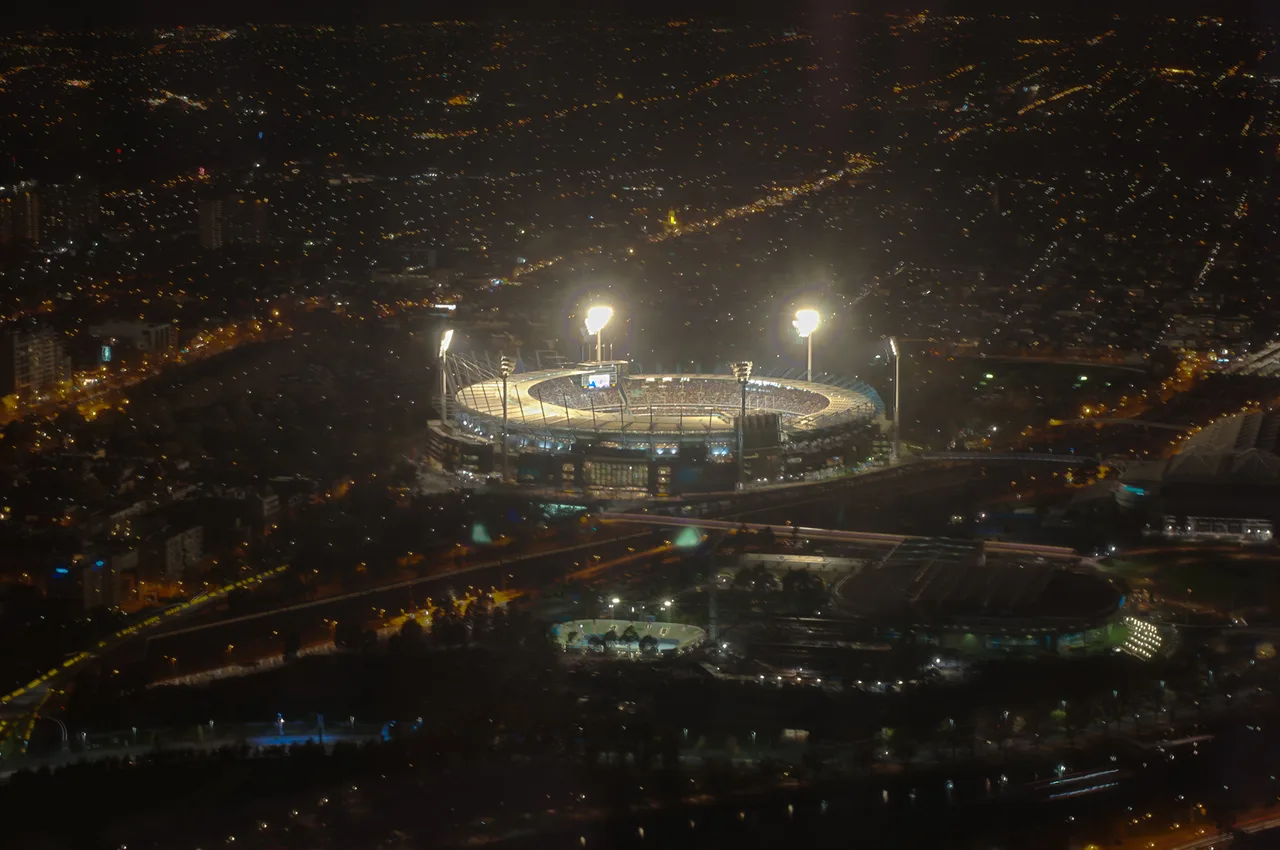
- Defining match: Portugal vs Colombia, Saturday June 27 at Hard Rock Stadium, Miami Gardens (19:30 ET)
- Notable omissions: António Silva, Pote, Ricardo Horta, Mateus Fernandes
Did Portugal Name Their Squad for the 2026 World Cup?
Yes. Roberto Martínez confirmed Portugal's 27-name list for the 2026 World Cup at a press conference on Tuesday May 19, 2026 — two weeks before FIFA's June 2 final-list deadline. The list was published the same day on the FPF (Federação Portuguesa de Futebol) channels and across Portuguese sports media including A Bola, Record and O Jogo. International coverage on Al Jazeera, World Soccer Talk and Yahoo Sports followed within hours.
The structure: 27 names announced, 26 of them to be officially registered with FIFA before the June 2 deadline, and the 27th (Gençlerbirliği Ankara goalkeeper Ricardo Velho) travelling as a standby fourth keeper outside the formal squad. Velho can only be activated if one of Portugal's three registered goalkeepers — Diogo Costa, José Sá, Rui Silva — suffers an injury that rules them out of the tournament. It is a structural workaround Martínez used to bring a fourth keeper to the United States without breaching FIFA's 26-player cap.
Public framing of the list, in Martínez's press conference, was as "27 plus one" — the +1 is symbolic, a reference to Diogo Jota, the Liverpool forward and 49-time Portugal international who died alongside his brother André Silva in a car crash near Zamora, Spain on July 3, 2025. Jota was 28. The Portugal squad released a public tribute at the time and the federation has marked subsequent friendlies with armbands; Martínez's "27+1" framing extends that memorial into the squad list itself.
Who Made Portugal's 27-Man World Cup 2026 Squad?
The complete Portugal 2026 World Cup squad — Martínez's full 27-name list published May 19, broken down by position and club. This is the Portugal World Cup 2026 squad that travels to the United States; the Portugal squad for World Cup 2026 confirms 26 registered names with FIFA's June 2 deadline, with Ricardo Velho as the standby fourth goalkeeper outside the registered list.
- Goalkeepers (4): Diogo Costa (FC Porto), José Sá (Wolverhampton), Rui Silva (Sporting CP), Ricardo Velho (Gençlerbirliği Ankara — standby fourth keeper outside FIFA's 26)
- Defenders (9): Rúben Dias (Manchester City), Nuno Mendes (Paris Saint-Germain), João Cancelo (Barcelona), Diogo Dalot (Manchester United), Gonçalo Inácio (Sporting CP), Tomás Araújo (Benfica), Matheus Nunes (Manchester City), Nélson Semedo (Fenerbahçe), Renato Veiga (Villarreal)
- Midfielders (6): Bruno Fernandes (Manchester United), Bernardo Silva (Manchester City), Vitinha (Paris Saint-Germain), João Neves (Paris Saint-Germain), Rúben Neves (Al-Hilal), Samuel Costa (Mallorca)
- Forwards (8): Cristiano Ronaldo (Al-Nassr, captain), Rafael Leão (AC Milan), Gonçalo Ramos (Paris Saint-Germain), João Félix (Al-Nassr), Pedro Neto (Chelsea), Francisco Conceição (Juventus), Francisco Trincão (Sporting CP), Gonçalo Guedes (Real Sociedad)
The spine is exactly what the qualifying cycle and the 2024-25 Nations League win pointed toward. The two interesting structural calls came on the defensive depth chart — Tomás Araújo (Benfica, 23) and Renato Veiga (Villarreal, 22) get the centre-back rotation spots that conventional wisdom had earmarked for António Silva (Benfica, 22). Martínez has trusted Araújo's progressive carrying out of defence and Veiga's versatility (he plays both centre-back and defensive midfield at Villarreal) over Silva's more conservative club profile. The midfield is settled: Vitinha, Bernardo and Bruno Fernandes are the first-choice three, João Neves the high-pressure understudy who is increasingly making the case to start. Samuel Costa's inclusion gives Martínez a regista option distinct from Vitinha's deep playmaking. Rúben Neves remains the rotation pivot from Saudi Pro League.
The eight-forward list is the deepest Portugal have brought to a tournament in twenty years. Ronaldo and Leão are first-choice. Gonçalo Ramos (PSG) is the modern No. 9 alternative — quicker than Ronaldo, better in pressing the back line, the closer Martínez has used in three Nations League knockouts already. João Félix (Al-Nassr, after the early-2025 move from Chelsea) returns to a Portugal squad after a difficult two-year stretch. Pedro Neto (Chelsea), Francisco Conceição (Juventus) and Francisco Trincão (Sporting) are the wide rotation pool. Gonçalo Guedes (Real Sociedad, on loan from Wolves) is the eighth name — a left-footed wide forward who has rebuilt his international stock through the 2025-26 La Liga season.
Why Did Roberto Martínez Pick 27 — and Not 26?
FIFA's roster cap for World Cup 2026 is 26 players, the same expanded limit used at Qatar 2022 (up from 23 at previous tournaments). Martínez announced 27 names because Ricardo Velho — Gençlerbirliği Ankara's first-choice keeper at age 26 — travels as a standby fourth goalkeeper outside the registered 26. He is officially designated as the replacement-in-waiting: if Diogo Costa, José Sá or Rui Silva suffers an injury that rules them out of the tournament, Velho activates as the substitute and is officially registered in the affected player's place.
The mechanism is permitted by FIFA's regulation 27 of the 2026 World Cup squad rules — federations can travel with up to three "standby" players outside the registered 26, with documented availability for injury substitution. Most federations leave standby players in their domestic country. Martínez has chosen to bring Velho to the US for training continuity, fourth-keeper participation in training drills, and emotional cohesion with the squad. The decision is unusual but not unprecedented: Spain travelled with a standby goalkeeper at Qatar 2022; France did the same in 2018.
The "27+1" public framing — used by Martínez at the May 19 press conference and picked up across Portuguese media — folds two things into one phrase. The 27 is the literal head count of players travelling with the squad. The +1 is the symbolic seat reserved for Diogo Jota. Jota, who died in a car accident on July 3, 2025 alongside his brother André Silva, made 49 Portugal appearances and 14 international goals between 2019 and 2024. The Liverpool forward's death at age 28 was the most consequential personal loss the Portugal squad has experienced in a generation. The Portuguese federation has marked friendly armbands and pre-match silences across the 2025-26 cycle; Martínez's "27+1" framing carries the tribute into the squad list itself.
Is Cristiano Ronaldo Going to His Sixth World Cup?
Yes. Cristiano Ronaldo at 41 is named in the squad and retains the captain's armband, making him the first male footballer to appear at six World Cups: 2006 (Germany), 2010 (South Africa), 2014 (Brazil), 2018 (Russia), 2022 (Qatar) and now 2026 (USA/Canada/Mexico). The record beats the five-World-Cup mark previously shared by Lothar Matthäus, Antonio Carbajal, Rafael Márquez, Gianluigi Buffon, Andrés Guardado and Lionel Messi.
The pre-announcement question was always about fitness rather than selection. Ronaldo missed the March 2026 international window with a hamstring injury picked up in the Saudi Pro League. He returned to full Al-Nassr training in early April, played 45+ minutes in three April fixtures, and started the federation's May friendly without restriction. Martínez confirmed at the May 19 press conference that there are no medical reservations heading into the tournament.
The harder question is role. Ronaldo at 41 is not a 90-minute presser. Portugal's optimal defensive shape in a knockout match against a top-six opponent runs with Rafael Leão off the left, Gonçalo Ramos at the No. 9, and Ronaldo off the bench. Martínez has used precisely this configuration in three of the last four high-stakes fixtures — the 2024 Nations League final against Spain saw Ronaldo enter as a 60th-minute substitute. The 2026 plan reads the same: start Ronaldo against DR Congo and Uzbekistan, where Portugal will dominate possession and the squad's penalty-box gravity matters more than defensive shape; rotate him to the bench for the Colombia closer if the group is already won; use him as the high-leverage closer through the knockouts. The narrative weight pulls toward starts; the tactical evidence pulls toward cameos. Whether Martínez has the political room inside the tournament to make the closer-not-starter call is one of the open questions of Portugal's run.
For the full tactical picture see our Portugal tactical preview.
Which Big Names Got Left Out of Portugal's Squad?
Four omissions drew most of the Portuguese-media reaction:
- António Silva (Benfica, 22) — centre-back. The Qatar 2022 squad member who looked the third-choice CB through most of the qualifying cycle. Martínez instead chose Tomás Araújo (Benfica) and Renato Veiga (Villarreal) for the centre-back rotation spots behind Rúben Dias and Gonçalo Inácio. The signal is that Martínez wants progressive carrying and tactical versatility over Silva's more conservative profile.
- Pote / Pedro Gonçalves (Sporting CP, 27) — attacking midfielder. Liga Portugal's joint-top scorer in 2025-26 with 20+ league goals from an attacking-midfield role. Tactically he overlaps with both Bernardo Silva (right-side creation) and Ronaldo-Leão (penalty-box presence), and Martínez clearly prioritised positional distinction over goal volume.
- Ricardo Horta (Braga, 31) — wide forward. The long-time fringe option whose international minutes shrank through 2024-25. Pedro Neto's Chelsea form and Francisco Conceição's Juventus role made the wide-forward depth chart unavailable.
- Mateus Fernandes (Sporting CP, 21) — midfielder. The breakout 2025-26 name who pushed for inclusion through strong club form but lost out to Samuel Costa's positional flexibility and João Neves's higher tournament ceiling. Fernandes is a clear 2030 cycle pick.
None of these are surprise omissions in the strict sense — all four were on the wider conversation list rather than the locked-in squad list — but António Silva is the call with the most tactical commentary attached. Martínez's choice to back Tomás Araújo and Renato Veiga over an established Benfica CB is a signal about the kind of football he wants Portugal to play in 2026: more progressive, less conservative, willing to carry the ball out of defence even against high-pressing opponents.
Who's in Portugal's Probable First-Choice 11?
Martínez's most-played 11 across the 2024-25 Nations League cycle and the March-May 2026 international windows:
- GK: Diogo Costa (FC Porto, 26)
- RB: João Cancelo (Barcelona, 31)
- CB: Rúben Dias (Manchester City, 28)
- CB: Gonçalo Inácio (Sporting CP, 24)
- LB: Nuno Mendes (Paris Saint-Germain, 23)
- DM: Vitinha (Paris Saint-Germain, 26)
- RCM: Bernardo Silva (Manchester City, 31)
- LCM: Bruno Fernandes (Manchester United, 31)
- RW: Pedro Neto (Chelsea, 26)
- ST: Cristiano Ronaldo (Al-Nassr, 41) — or Gonçalo Ramos in higher-pressing matchups
- LW: Rafael Leão (AC Milan, 26)
The two rotation switches in a knockout setting: Pedro Neto for Bernardo Silva on the right (with Bernardo dropping into the half-No. 10 pocket the way he plays at Manchester City), and Gonçalo Ramos for Ronaldo at the No. 9. Both moves trade penalty-box gravity for pressing intensity — and both are the calls Martínez has made consistently when Portugal expect to defend in waves rather than dominate possession. Against Colombia on June 27 and any Round of 16 fixture against a top-six opponent, expect both switches to be on the table from kickoff.
When Does Portugal Play in the 2026 World Cup?
The Portugal World Cup 2026 schedule runs three Group K fixtures across 10 days — two Portugal World Cup games at the same venue in Houston before the Miami closer. The full Portugal World Cup 2026 fixtures list:
- Matchday 1 — Wednesday June 17, 2026: Portugal vs DR Congo at NRG Stadium (FIFA tournament name: Houston Stadium) in Houston, Texas. Kickoff 12:00 CT / 13:00 ET / 18:00 BST / 17:00 UTC. The squad opener — Ronaldo's first appearance on US soil at a World Cup since 2014 (Brazil hosted his last group-stage match in the Americas). NRG is fully climate-controlled; midday Texas heat will be neutralised inside the bowl.
- Matchday 2 — Tuesday June 23, 2026: Portugal vs Uzbekistan also at NRG Stadium in Houston. Kickoff 12:00 CT / 13:00 ET / 18:00 BST / 17:00 UTC. Likely a rotation game — Martínez has run the second group fixture as a rotation slot in every tournament cycle since taking the Portugal job, particularly when the opener is won.
- Matchday 3 — Saturday June 27, 2026: Colombia vs Portugal at Hard Rock Stadium in Miami Gardens, Florida. Kickoff 19:30 ET / 00:30 BST Sunday June 28 / 23:30 UTC Saturday / 07:30 BJT Sunday. The group's likely top-spot decider. James Rodríguez and Luis Díaz against Ronaldo, Leão and the Portuguese midfield — the cross-search Group K headlines have been pointing toward since the December draw.
For the Houston venue logistics, Fan Festival, MetroRail Red Line route and ticket-price grid see our Houston ticket and access guide. For the full four-team group breakdown see our Group K preview, and the live standings on the Group K hub.
Why Is the Colombia Closer Portugal's Biggest Test?
Colombia at FIFA #13 are the strongest Pot 2 draw Portugal could have got outside Argentina's group. Néstor Lorenzo's side reached the 2024 Copa América final, lost narrowly to Argentina, and arrive in 2026 with James Rodríguez (León) and Luis Díaz (Liverpool) as the creative axis. The transition pattern Colombia run — Lorenzo's 4-2-3-1 builds out from the back at controlled tempo, then breaks vertically through James-Díaz combinations on the left half-space — is exactly the kind of football that historically exposes Portugal: a midfield with technical equality, a wide threat with proven knockout pedigree, and a transition geometry that asks Portugal's full-backs to make difficult cover decisions.
The Hard Rock Stadium environment is the second variable. Miami's June evening kickoff (19:30 ET) lands in the post-thunderstorm window with average temperatures still in the mid-80s°F / high-20s°C and humidity above 70%. The pitch is grass overlaid on the Dolphins' artificial surface — a temporary install that has caused player complaints at previous World Cup test events. Both factors marginally favour the Colombia counter-pressing geometry over Portugal's possession-build.
Martínez's realistic plan: top Group K by sweeping DR Congo and Uzbekistan first, then play the Colombia closer as a rotation game from kickoff — Gonçalo Ramos at No. 9 instead of Ronaldo, Pedro Neto on the right instead of Bernardo Silva, João Neves alongside Vitinha for higher midfield pressing. A draw secures top spot if Portugal arrive at six points; a loss leaves Portugal second and into a tougher Round of 32 fixture. The match is the kind of in-tournament call that defines a head coach's reputation — and Martínez has not had a knockout-or-near-knockout game with the political weight of a Ronaldo bench decision since the 2024 Nations League final.
Can Portugal Win the 2026 World Cup with This Squad?
Possibly, but not as front-runners. Portugal arrive at FIFA #5 with a squad spine that beat Spain in the 2024-25 Nations League final, a Pot 1 seeding, and a Group K draw that should produce 7-9 points. The squad depth — particularly in midfield (Vitinha, Bernardo, Bruno Fernandes, João Neves) and forward (Ronaldo, Leão, Ramos, Félix, Neto, Conceição) — is one of the four or five best at the tournament. The structural questions are real: defensive depth thins quickly past Rúben Dias and Gonçalo Inácio, the Ronaldo-Leão front-line balance has not been fully solved across a seven-match tournament, and the wide-channel cover when Nuno Mendes attacks remains the persistent vulnerability.
A realistic ceiling: semi-final. A realistic floor: Round of 16. The path to a final runs through beating a Pot 1 nation in the quarter-finals — most plausibly Spain, France or Argentina depending on bracket geometry. Portugal have lost their last six knockout matches against Pot 1 opposition stretching back to Euro 2016, the last tournament they won. The 2026 squad is more talented than 2018, 2022 and Euro 2024 — but the structural questions that ended those tournaments early have not all been answered.
For Ronaldo personally, the realistic ceiling at 41 is a tournament where he plays 250-400 total minutes across seven matches and scores 2-3 goals — most plausibly in the group stage against DR Congo and Uzbekistan, with a high-leverage cameo in any knockout fixture. The historical record for goals at six World Cups is already his to set the moment he enters a match in the United States — and the question of whether he closes Portugal's run with one more knockout-stage goal is the storyline that will follow the squad from June 17 forward.
For his full World Cup goalscoring record, tournament by tournament, see Cristiano Ronaldo at the World Cup: every goal and record.
Frequently Asked Questions
Did Portugal announce their World Cup 2026 squad?
Yes. Head coach Roberto Martínez announced Portugal's 27-name list on Tuesday May 19, 2026, ahead of the FIFA squad deadline. The 27 cover four goalkeepers, nine defenders, six midfielders and eight forwards. FIFA's official registered cap is 26 — Ricardo Velho (Gençlerbirliği Ankara) travels as the standby fourth goalkeeper outside the 26 and can only feature if a registered keeper is injured. Martínez framed the list publicly as '27 plus one' — the +1 a tribute to Diogo Jota, the Liverpool forward who died in a July 2025 car crash aged 28.
Is Cristiano Ronaldo in Portugal's World Cup 2026 squad?
Yes. Cristiano Ronaldo (Al-Nassr, 41) is named in Roberto Martínez's 27-name squad and retains the captain's armband. The 2026 tournament is his sixth World Cup — 2006, 2010, 2014, 2018, 2022 and now 2026 — a record no other male player has ever set. Ronaldo missed the March 2026 international window with a hamstring issue but returned to full training in April and featured in the May friendlies. Martínez's plan is to use him as a high-leverage starter rather than a 90-minute lock, particularly in the Colombia closer and any knockout fixture against a top-six opponent.
What is Portugal's full 27-man World Cup 2026 squad?
Goalkeepers (4): Diogo Costa (FC Porto), José Sá (Wolverhampton), Rui Silva (Sporting CP), Ricardo Velho (Gençlerbirliği Ankara, standby). Defenders (9): Rúben Dias (Manchester City), Nuno Mendes (Paris Saint-Germain), João Cancelo (Barcelona), Diogo Dalot (Manchester United), Gonçalo Inácio (Sporting CP), Tomás Araújo (Benfica), Matheus Nunes (Manchester City), Nélson Semedo (Fenerbahçe), Renato Veiga (Villarreal). Midfielders (6): Bruno Fernandes (Manchester United), Bernardo Silva (Manchester City), Vitinha (Paris Saint-Germain), João Neves (Paris Saint-Germain), Rúben Neves (Al-Hilal), Samuel Costa (Mallorca). Forwards (8): Cristiano Ronaldo (Al-Nassr, captain), Rafael Leão (AC Milan), Gonçalo Ramos (Paris Saint-Germain), João Félix (Al-Nassr), Pedro Neto (Chelsea), Francisco Conceição (Juventus), Francisco Trincão (Sporting CP), Gonçalo Guedes (Real Sociedad).
Why did Roberto Martínez pick 27 players instead of 26?
FIFA's official registration cap for World Cup 2026 is 26 players. Martínez announced 27 names because Ricardo Velho — a 26-year-old goalkeeper at Gençlerbirliği Ankara in the Turkish league — travels as a standby fourth keeper outside the registered 26. Velho cannot officially feature in a match unless one of Portugal's three registered goalkeepers (Diogo Costa, José Sá, Rui Silva) suffers an injury, at which point he activates as the replacement. The framing of the squad as '27 plus one' is a separate tribute — the +1 is symbolic, a public reference to Diogo Jota, the Liverpool forward and long-time Portugal international who died in a car accident in Spain on July 3, 2025, aged 28.
Who was left out of Portugal's World Cup 2026 squad?
Four names were the public talking points. António Silva (Benfica) — the centre-back who was a Qatar 2022 squad member and looked the third-choice CB through most of the qualifying cycle; Martínez instead leaned on Tomás Araújo (Benfica) and Renato Veiga (Villarreal) for the rotation spots behind Rúben Dias and Gonçalo Inácio. Pote / Pedro Gonçalves (Sporting CP) — the Liga Portugal top scorer this season but a tactical mismatch with the Ronaldo-Leão front line. Ricardo Horta (Braga) — the long-time fringe option whose minutes shrank through the 2024-25 cycle. Mateus Fernandes (Sporting CP) — the 21-year-old midfielder pushed for inclusion through strong club form but lost out to Samuel Costa's positional flexibility.
When does Portugal play in the 2026 World Cup?
Three Group K matches across 10 days. Wednesday June 17 vs DR Congo at NRG Stadium (FIFA tournament name: Houston Stadium) in Houston — kickoff 12:00 CT / 13:00 ET / 18:00 BST / 17:00 UTC. Tuesday June 23 vs Uzbekistan also at NRG Stadium in Houston — kickoff 12:00 CT / 13:00 ET / 18:00 BST / 17:00 UTC. Saturday June 27 vs Colombia at Hard Rock Stadium in Miami Gardens — kickoff 19:30 ET / 00:30 BST Sunday June 28 / 23:30 UTC Saturday June 27 (which is 07:30 BJT on Sunday June 28). The Colombia closer is the group's likely top-spot decider.
Is the 2026 World Cup Cristiano Ronaldo's last?
Almost certainly yes. Ronaldo turned 41 on February 5, 2026, and has publicly referenced 2026 as the natural close to his international career. At 45 for the 2030 World Cup he is unlikely to play a seventh tournament. Portugal's planning around him through 2024-25 — Martínez's high-leverage starts, fewer 90-minute appearances, role as closer rather than 90-minute opener — reflects that this is his last World Cup. The record he sets by appearing in 2026 (first male player to feature at six World Cups) is one that will likely stand for a generation.
Is Portugal in the World Cup 2026 — and what is their group?
Yes. Portugal qualified for the 2026 World Cup as one of UEFA's automatic qualifiers and were drawn into Group K alongside Colombia, DR Congo and Uzbekistan at the December 5, 2025 Las Vegas draw. The Portugal group at World Cup 2026 — Group K — is widely considered the toughest Pot 2 draw of any Pot 1 nation outside Argentina's, with Néstor Lorenzo's Colombia at FIFA #13 carrying the 2024 Copa América final pedigree. The Portugal vs Colombia matchday 3 closer on June 27 in Miami is the likely top-spot decider.
What is Portugal's full squad for the 2026 World Cup?
The complete Portugal World Cup 2026 squad announced May 19 by Roberto Martínez: 4 GK — Diogo Costa (FC Porto), José Sá (Wolverhampton), Rui Silva (Sporting CP), Ricardo Velho (Gençlerbirliği Ankara, standby fourth keeper); 9 DEF — Rúben Dias (Manchester City), Nuno Mendes (PSG), João Cancelo (Barcelona), Diogo Dalot (Manchester United), Gonçalo Inácio (Sporting CP), Tomás Araújo (Benfica), Matheus Nunes (Manchester City), Nélson Semedo (Fenerbahçe), Renato Veiga (Villarreal); 6 MID — Bruno Fernandes (Manchester United), Bernardo Silva (Manchester City), Vitinha (PSG), João Neves (PSG), Rúben Neves (Al-Hilal), Samuel Costa (Mallorca); 8 FWD — Cristiano Ronaldo (Al-Nassr, captain), Rafael Leão (AC Milan), Gonçalo Ramos (PSG), João Félix (Al-Nassr), Pedro Neto (Chelsea), Francisco Conceição (Juventus), Francisco Trincão (Sporting CP), Gonçalo Guedes (Real Sociedad). Notable omissions from the Portugal squad for World Cup 2026: António Silva, Pote, Ricardo Horta, Mateus Fernandes.
What are Portugal's World Cup 2026 fixtures and schedule?
Three Portugal World Cup 2026 fixtures across 10 days. Portugal's World Cup schedule: Wednesday June 17 vs DR Congo at NRG Stadium in Houston (kickoff 12:00 CT / 13:00 ET). Tuesday June 23 vs Uzbekistan also at NRG Stadium in Houston (kickoff 12:00 CT / 13:00 ET) — the second Portugal World Cup game at NRG. Saturday June 27 vs Colombia at Hard Rock Stadium in Miami Gardens (kickoff 19:30 ET). The Portugal vs Colombia closer is the marquee Portugal World Cup match — the likely Group K top-spot decider against the 2024 Copa América finalists.
People Also Ask
Data sources
- Al Jazeera — Ronaldo to lead Portugal at sixth World Cup as Martínez names squad (May 19, 2026)
- A Bola — Os 27 convocados da Seleção para o Mundial 2026
- Record — Os 27 convocados de Portugal para o Mundial'2026
- World Soccer Talk — Why Portugal's 2026 World Cup squad has 27 players
- FIFA — Portugal squad announcement for the 2026 World Cup
Published: