NYC World Cup 2026: Fan Zones, Bars and Hotels Guide
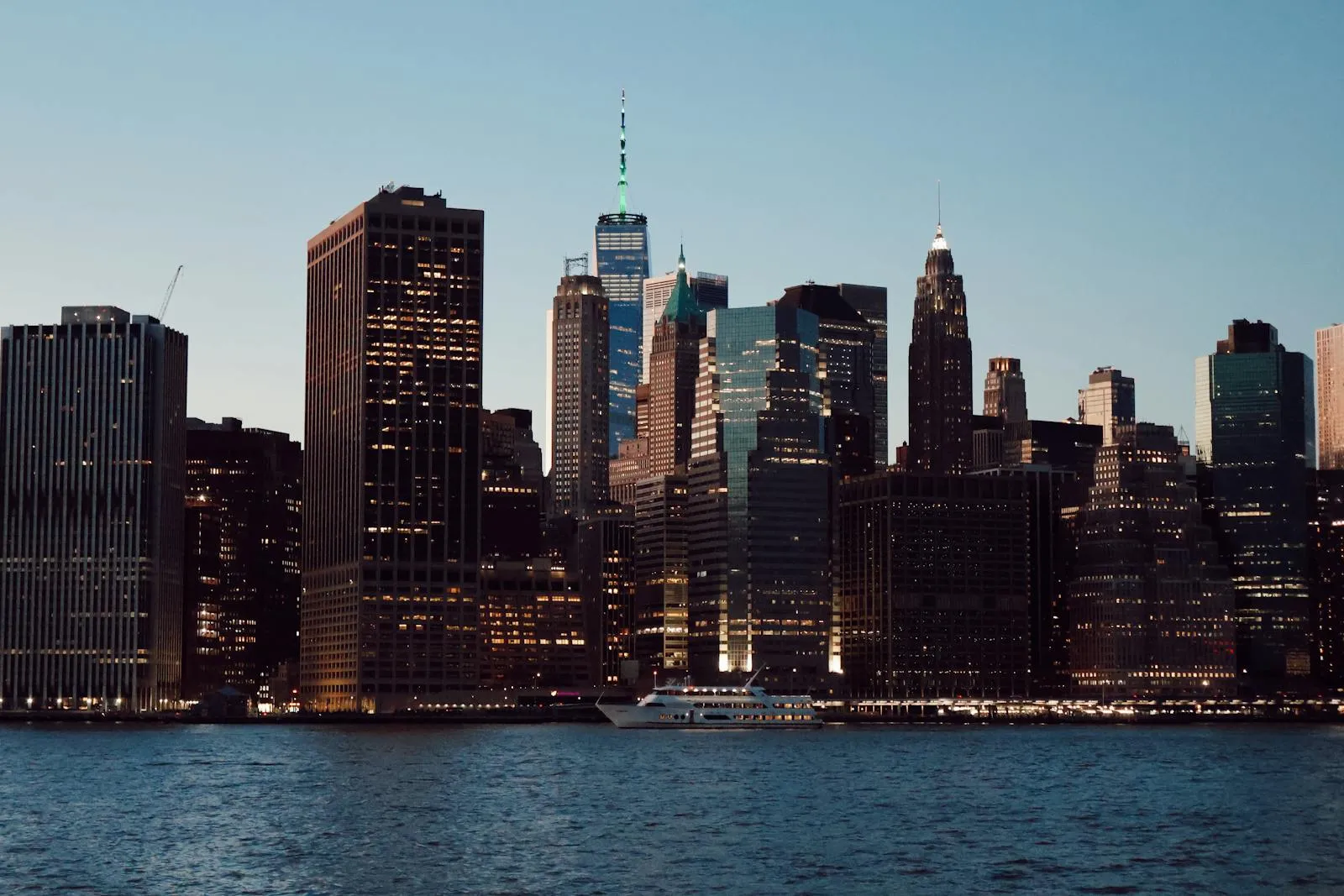
No World Cup 2026 city carries more commercial weight than New York/New Jersey. The final is here, eight matches are here, and the region can absorb a level of international demand, sponsor activity and hospitality spending that no other host market can match.
Why NYC/NJ Is The Highest-Value City In The Tournament
Start with the obvious advantage: the final is here. That alone changes the economics of the whole region. Add eight matches at MetLife Stadium, a capacity of roughly 82,500, and one of the deepest hospitality ecosystems in global sport, and New York/New Jersey becomes the premium stop on the tournament map.
The value stack is unusually strong:
- Demand strength. Global tourism flows, corporate buyers, diaspora fan bases and domestic event traffic all overlap here.
- International reach. No other host city has the same raw inbound pull across Europe, Latin America, Africa and Asia.
- Merchant depth. Bars, group dining, hotels, rooftop venues, sponsorship activations and late-night entertainment are all dense enough to support different fan types at once.
- Event layering. Fan zones, watch bars, stadium travel, sponsor events and final-week media programming can all coexist without exhausting the city.
That is the basic case for New York/New Jersey. No other host city combines football demand and off-pitch spending power at the same scale.
Why The User Journey Is So Much Harder Than In Other Cities
The region's weakness is not supply. It is fragmentation. The stadium is in New Jersey. Many visitors stay in Manhattan. Some of the best soccer bars are in Brooklyn. One fan-zone layer points toward Queens. Another points toward Harrison. Final-week tourist gravity pulls back toward Midtown.
That makes NYC/NJ different from cities like Seattle or Toronto, where the stadium route is cleaner and the hospitality zones sit closer together. Here, the problem is not finding something to do. It is choosing the right geography before you waste time, money and energy moving through the region the wrong way.
That is why broad pages like "where to watch the World Cup in New York" are not enough. The content has to split into clearer user decisions: stay in NYC or NJ, bar-heavy or stadium-heavy, final week or group stage, airport-first or nightlife-first, Manhattan route or Meadowlands route.
MetLife Stadium Is The Anchor, But Not The Whole Experience
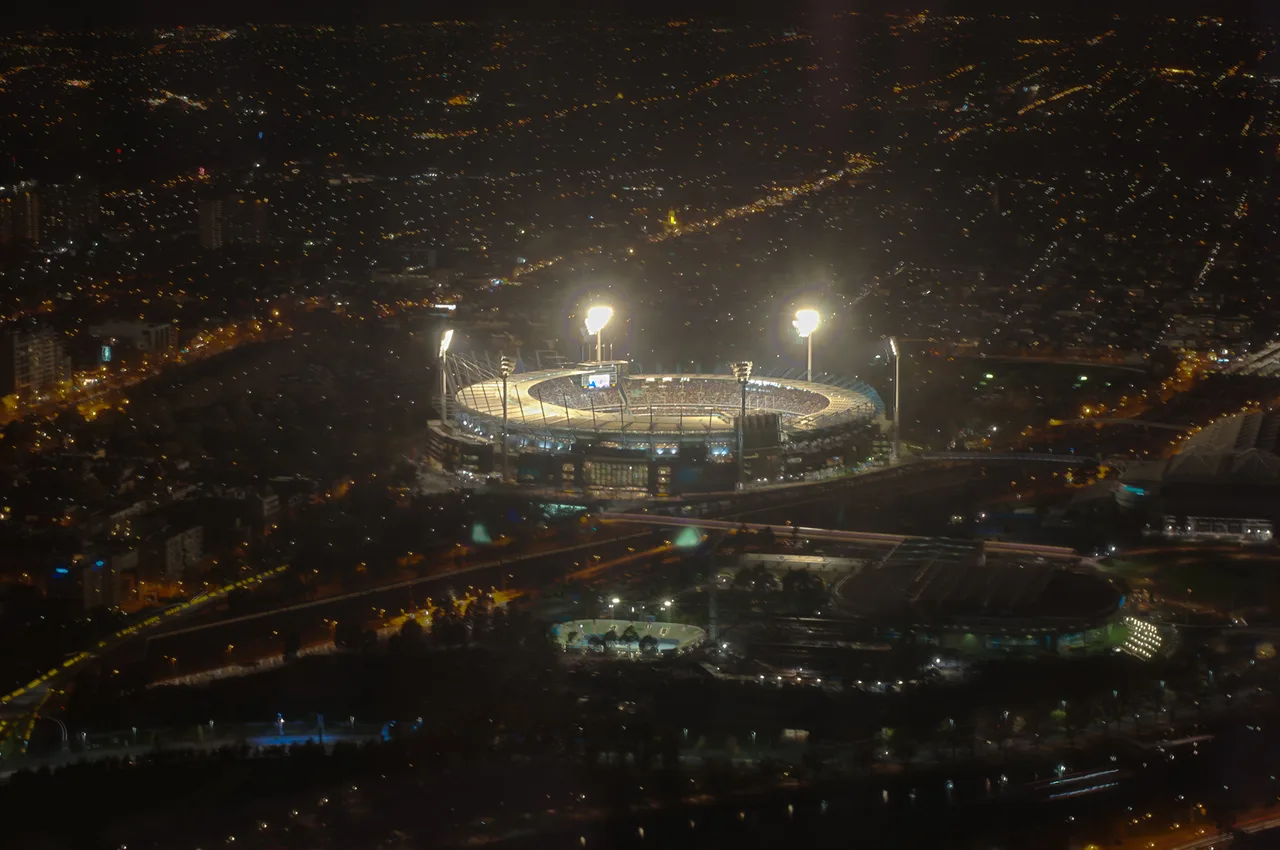
The stadium itself is straightforward. MetLife Stadium — FIFA tournament name: New York New Jersey Stadium — sits in East Rutherford, New Jersey and holds around 82,500 people. It is the biggest single venue in the U.S. World Cup portfolio and the center of the final-week market.
The challenge is everything around it. The stadium is not part of a natural nightlife district. You do not step out into a walkable football quarter the way you might in parts of Mexico City, Toronto or central Seattle. In New York/New Jersey, the city experience and the stadium experience often sit in different places.
For matchday movement, the cleanest Manhattan route remains NJ Transit from Penn Station to Secaucus Junction, then the Meadowlands connection. The main direct coach option is Coach USA 351. On paper, that is manageable. On a major matchday, it quickly becomes a sequencing problem: when you leave, how you handle the queues, and whether you value post-match city life more than simple stadium proximity.
The Three Fan-Zone Layers Matter More Than People Realize
One of the region's biggest advantages is that it can support multiple fan-zone identities at once, not just one central site.
- Jersey Fan Hub — Sports Illustrated Stadium, Harrison. Planned from June 11 to July 14, with daily capacity in the 15,000-25,000 range, a 60-foot screen, a 360-degree bar, 20 TVs and live-stage programming. This is the strongest pure event-space concept in the region.
- Fan Zone Queens — USTA Billie Jean King Tennis Center. Planned from June 17 to June 28. If executed well, this gives the tournament a serious east-side activation footprint and opens a different transit logic from the Manhattan-heavy routes.
- Fan Village Rockefeller Center. Planned from July 4 to July 19. This is the final-week high-visibility layer: Midtown foot traffic, tourist crossover and the symbolic center-of-the-city effect that only Rockefeller can produce.
Taken together, these zones show why New York is commercially stronger than most cities. The tournament here is not built around one square or one screen. It works as a network.
Where The Bar Supply Is Actually Strongest
The sports-bar depth is not just broad; it is segmented by audience. That is the real commercial signal. Different neighborhoods can carry different football crowds at the same time.
- Midtown. Football Factory at Legends is still the most structurally important soccer bar brand in the city, with supporter-club density and enough screen capacity to matter on the biggest days. Jack Dempsey's adds the classic four-floor Midtown matchday feel.
- East Village / downtown Manhattan. Slainte Bar and Red Lion sit closer to the all-day, group-friendly, come-and-go watch pattern that tournament fans actually use.
- Williamsburg. Banter Bar and Berry Park represent the Brooklyn side of the football economy: destination bars, stronger local culture, and a less tourist-heavy experience than Midtown.
The important point is not which bar is "best." It is that New York has enough bar supply to support premium, casual, supporter-club and overflow audiences at the same time. Very few cities can do that at scale.
Stay In Manhattan Or New Jersey?
This is the core booking question, and there is no universal answer.
- Midtown Manhattan hotels. Best if you want final-week energy, easier access to Rockefeller Center activity, stronger restaurant depth and direct Penn Station logic. Worst for price.
- Brooklyn / Williamsburg. Better if your priority is bar culture and local-night atmosphere, but weaker if you are doing multiple stadium runs.
- Queens. More relevant if the USTA fan-zone concept becomes a real daily destination for your trip, but less clean for MetLife matchday movement.
- Jersey City / Hoboken. Best middle ground. Better value than Manhattan, cleaner path to the Jersey side, still enough nightlife and skyline appeal.
- Secaucus / Meadowlands side. Best if you are stadium-first, weakest if you want the full New York city experience.
That is the key difference between New York and most host cities: accommodation is not only about distance. It is about what kind of World Cup trip you are trying to build.
Airport Transfers Make Or Break The Region
Because this market is split across New York City and New Jersey, airport choice matters more here than in simpler host cities.
- EWR. Best for MetLife-first trips and the cleanest New Jersey-side positioning.
- JFK. Best for international flight variety, but more punishing if your trip revolves around stadium access.
- LGA. Fine for short domestic arrivals, but not the smartest base if you are trying to minimize friction around the Meadowlands path.
This is why NYC/NJ needs more than a generic host-city page. Your airport, your hotel side and your matchday plan need to line up from the start, or the region begins wasting your time immediately.
Dining Supply Is Deep, But Coordination Is The Real Challenge
New York's restaurant depth is not the issue. Group dining coordination is. The closer you get to final week, the more the region behaves like a tournament capital rather than a normal city. Pre-booked team dinners, sponsor events, large supporter groups and premium hospitality buyers start competing for the same time slots.
The smartest user path is usually:
- Manhattan. Best for visible, social, pre- or post-match group dining.
- Jersey side. Better if your main goal is clean stadium execution with less transfer stress.
- Stadium-area dining. Functional, but not where the city shows its real hospitality depth.
That is why "11 restaurants near the stadium" is not enough as content. In this market, the better question is where to eat based on whether the day is built around Penn Station, a Midtown fan village, a Williamsburg bar crawl or a direct Meadowlands turnaround.
Bottom Line
New York/New Jersey is the highest-value World Cup 2026 host city because no other market combines the final, global demand, international flight pull, merchant depth, sponsorship gravity and layered fan infrastructure in quite the same way. It is where the tournament feels largest.
It is also the most structurally complex U.S. host market to navigate well. The stadium is not in the middle of the nightlife. The fan zones are split. The best bars are not all on the same side. The right hotel depends on your airport and your matchday plan. That is not a supply problem. It is the cost of operating at this scale.
For the stadium-specific side, pair this with our MetLife ticket and matchday guide and the World Cup final watch guide. For the wider tournament timing, see our World Cup 2026 dates guide.
Frequently Asked Questions
Why is New York/New Jersey the most valuable World Cup 2026 host city?
Because it combines the July 19 final, eight total matches at MetLife Stadium, unmatched international flight demand, deep hotel supply, dense bar and restaurant ecosystems, and multiple fan-zone layers across Manhattan, Queens and New Jersey.
Where is the World Cup stadium in New York?
The World Cup venue is New York New Jersey Stadium, better known as MetLife Stadium, in East Rutherford, New Jersey. Capacity is about 82,500.
What is the best way to get from Manhattan to MetLife Stadium?
The cleanest route is NJ Transit from Penn Station to Secaucus Junction, then the Meadowlands rail connection. Coach USA's 351 bus is the main direct road alternative.
Should fans stay in New York City or New Jersey for World Cup 2026?
Manhattan wins on atmosphere and fan density, Jersey City/Hoboken on balance, and the Meadowlands/Secaucus side on stadium convenience. The best answer depends on whether your trip is final-week city first or stadium first.
What fan zones are planned in the NYC/NJ region?
The known activity layers include a Jersey Fan Hub in Harrison from June 11 to July 14, a Queens fan-zone concept at the USTA Billie Jean King Tennis Center from June 17 to 28, and a Rockefeller Center fan village from July 4 to 19.
What are the best NYC bars for World Cup 2026 watch parties?
Strong known options include Football Factory at Legends in Midtown, Slainte Bar in the East Village, Red Lion on Bleecker Street, Jack Dempsey's in Midtown, Banter Bar in Williamsburg and Berry Park in Williamsburg.
People Also Ask
Data sources
- MetLife Stadium / New York New Jersey Stadium venue profile and match schedule
- NJ Transit Meadowlands rail access and Coach USA 351 bus route guidance
- Regional fan-zone programming plans in Harrison, Queens and Rockefeller Center
- NYC soccer-bar and hospitality market review
- WTK Sports editorial review of host-city demand, lodging clusters and user-path complexity
Published: