Ecuador 2-1 Germany: Plata Sinks Four-Time Champions
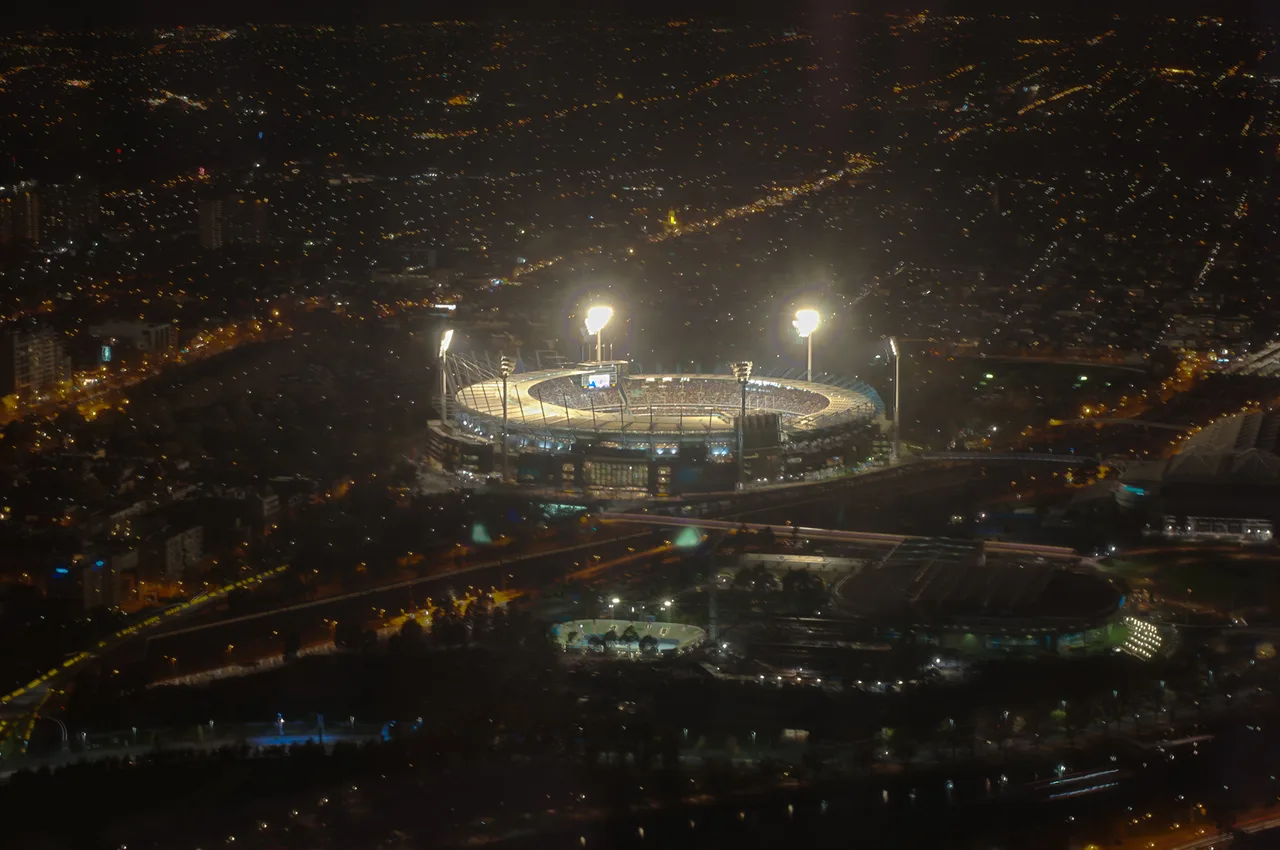
Two minutes into the game at MetLife Stadium, it looked like a formality. Leroy Sané scored, Germany were ahead, and Ecuador hadn’t really touched the ball yet. Group winners against a side fighting for a third-place lifeline, with an early goal in the bank: you could see how the night was supposed to go.
It went the other way. Ecuador won 2-1, knocked Germany out of their stride and booked their own ticket to the World Cup 2026 Round of 32. Nilson Angulo answered Sané within minutes, Gonzalo Plata got the winner late, and Germany finished as group winners who had just been second best to the team below them.
How did Ecuador come from behind to beat Germany?
The early goal should have calmed Germany down. Instead it seemed to free Ecuador up. Angulo equalised in the ninth minute with a strike from distance, bending it past Manuel Neuer, and the goal told Germany everything they needed to know about the mood of the underdog. Ecuador had come to have a go.
From there they grew into the game. They pressed Germany’s first phase, won their share of second balls and turned the match into the kind of scrappy, physical contest that suited them far better than it suited Nagelsmann’s side. Germany kept the ball and kept their reputation, but they never found the gear that had buried Curaçao a week earlier. The longer it stayed level, the more it leaned Ecuador’s way.
The winner came around the 77th minute, and it was a mess rather than a masterpiece. A ball into the German box went uncleared, the loose ball dropped, and Plata reacted quickest to poke it past Neuer. Ecuador then defended their lead like a team that suddenly believed it belonged in the next round.
Why did Germany still win Group E despite losing?
Germany lost and finished first anyway, which takes some explaining. The work had been done in the first two games. The 7-1 win over Curaçao and the 2-1 win over Ivory Coast gave them six points and control of Group E before kickoff at MetLife. Losing the last match dropped them only as far as top, with Ivory Coast claiming second on the head-to-head.
So Nagelsmann keeps the prize and loses the argument. Germany go through as group winners, which should hand them a more forgiving knockout draw. But the performance was a warning. A team this good shouldn’t be this passive against opponents chasing a third-place place, and for long stretches that’s exactly what Germany were: neat enough on the ball, short of threat, and slow to react when Ecuador started asking questions.
Topping the group buys them a softer route. It doesn’t change the fact that the last team to face them in the section simply wanted it more.
What does Manuel Neuer’s night say about Germany?
Neuer was beaten twice and neither goal will sit easily with him. Angulo’s finish had the distance and dip to test any keeper, but at 40 Germany are asking their captain to cover ground and run his box against opponents who keep aiming at exactly that. The call to lean on his experience, which we looked at in the Germany squad breakdown, looks fine when Germany are on top and gets exposed when they aren’t.
On a night like this, the goalkeeper is meant to be the calm one, the steadying influence when the team in front of him wobbles. Here the wobble reached him too. One game isn’t a verdict, but it feeds a question Germany carry into the knockouts: when the front foot disappears, who pulls them back?
How did Ecuador qualify for the Round of 32?
By treating a match they could have written off as one worth winning. Plata’s goal lifted Ecuador to third in Group E, and the expanded 48-team format sends the eight best third-placed teams through. The win, and the goals that came with it, did the job. A draw might not have been enough, and a defeat certainly wouldn’t have, so Ecuador read the situation correctly and went for the result they actually needed.
It’s a line that travels well into the next round, too. Beating Germany, even a Germany coasting on a settled group, is the sort of result that lifts a squad and hardens the belief that gets underdogs further than their seeding suggests.
What’s next for both teams?
Germany move into the Round of 32 as Group E winners, and first place should mean a kinder opponent than second would have. The knockout bracket rewards them for how they started, not how they finished. Nagelsmann will spend the days before it reminding his players that the side who beat Curaçao, not the one who lost here, is the one they need to be.
Ecuador head into the knockouts with momentum and a famous result behind them. As the Germany tactical preview pointed out, this German team can look irresistible in flow and strangely brittle out of it. Ecuador found the brittle version, made it pay, and earned the right to test someone else. On the evidence of MetLife, no favourite should expect them to roll over.
Frequently Asked Questions
What was the score in Ecuador vs Germany at World Cup 2026?
Ecuador beat Germany 2-1 in their Group E match at MetLife Stadium on June 25, 2026. Leroy Sané put Germany ahead inside two minutes, Nilson Angulo equalised in the ninth, and Gonzalo Plata scored the winner around the 77th minute.
Did Germany get knocked out of the World Cup 2026?
No. Despite losing to Ecuador, Germany still finished top of Group E on six points, having beaten Curaçao 7-1 and Ivory Coast 2-1 in their first two matches. The defeat cost them momentum, not qualification.
How did Ecuador qualify for the Round of 32?
Plata's late winner lifted Ecuador to third in Group E, and in the 48-team format the eight best third-placed teams advance. Ecuador's win was enough to secure one of those places.
Who scored the winning goal for Ecuador against Germany?
Gonzalo Plata scored the winner around the 77th minute, turning in a knockdown after Germany failed to clear, with Manuel Neuer beaten for the second time on the night.
People Also Ask
Data sources
- ESPN — Ecuador 2-1 Germany match centre
- Sky Sports — Ecuador 2-1 Germany: South American side stun four-time winners
- amNewYork — Plata's late winner sends Ecuador to Round of 32
- Wikipedia — 2026 FIFA World Cup Group E
Published: