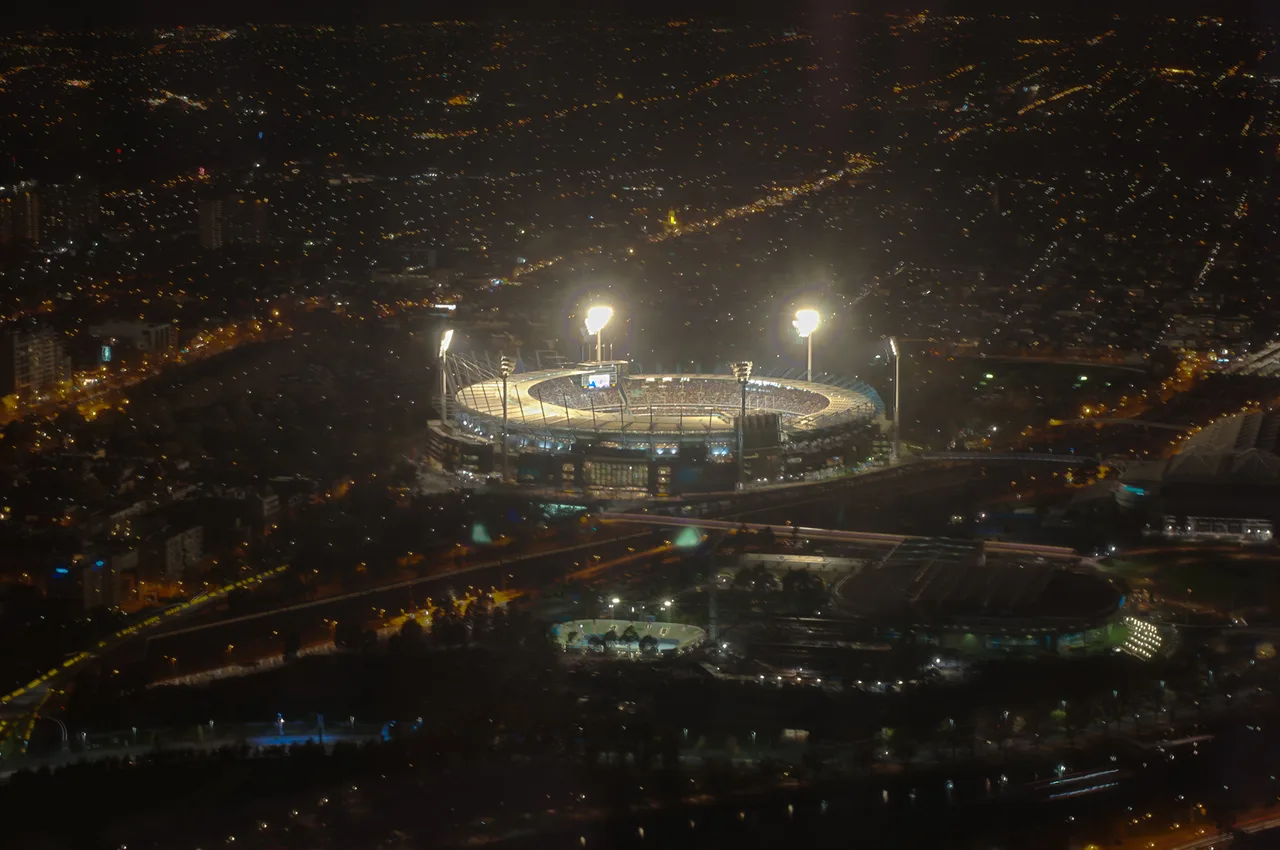
Can Algeria's Mid-Block Slow Messi at Arrowhead June 16?
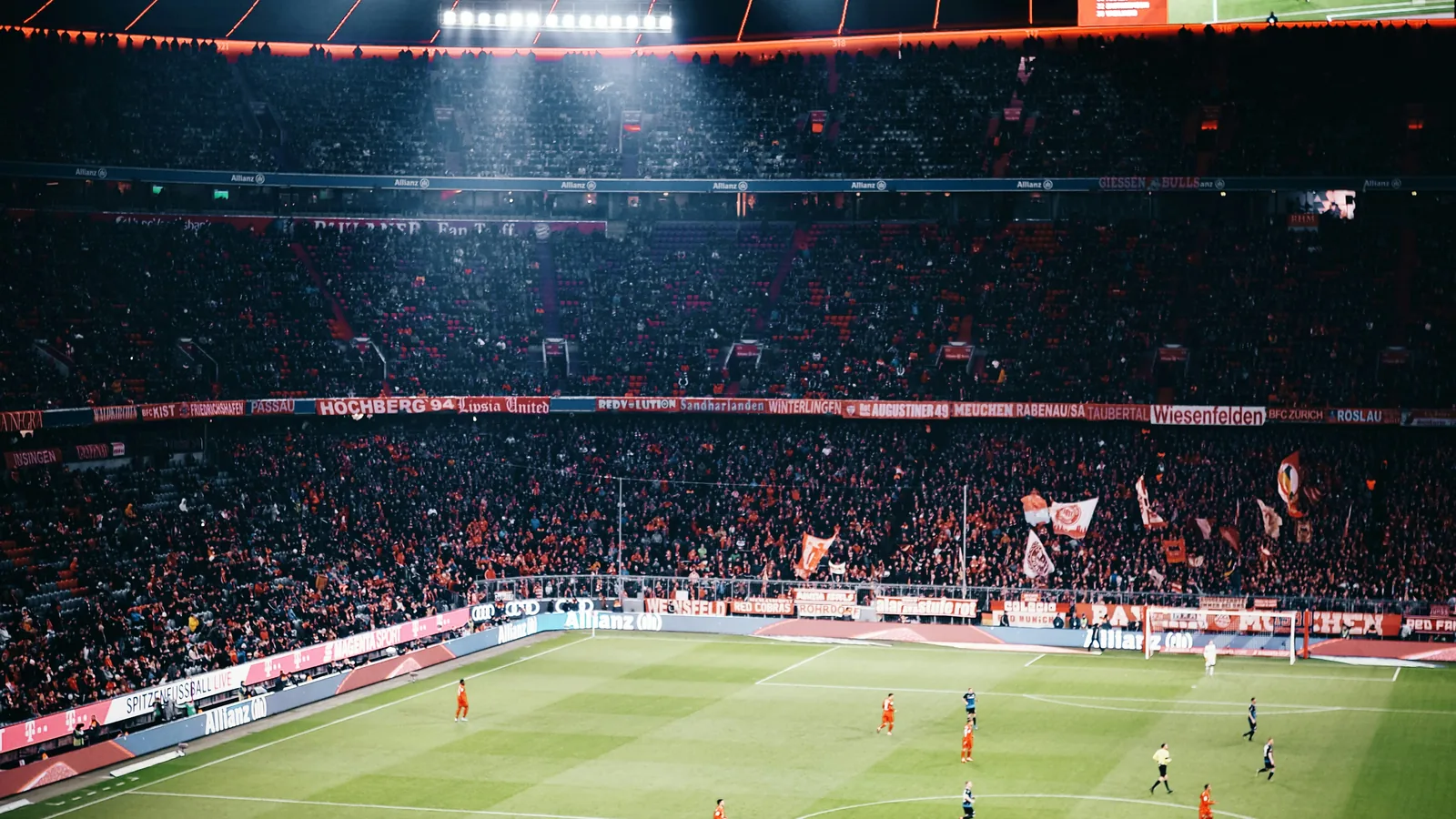
Algeria are back at the World Cup for the first time since 2014, and the draw could hardly have been less kind: the opener at Arrowhead on June 16 against Argentina, defending champions, Messi in what he has said will be his last tournament. Vladimir Petković has spent his time in charge building toward a single tactical idea — a mid-block compact enough to make the central channels uncomfortable. That is the plan he brings to Kansas City.
Petković's 4-2-3-1: A Slower Build Than Belmadi's
Algeria's shape under Petković is a 4-2-3-1 that becomes a 4-4-1-1 mid-block out of possession. The defining choice is the double pivot — both midfielders sit deep, screen the back four, and resist pushing forward into the half-spaces the way Belmadi's pivots used to. The build is slower, the defensive shape is tighter, and the attack runs through fewer players.
Houssem Aouar plays the number ten. He drops in between the lines to receive on the half-turn, then carries the ball through the inside channels — the role he switched federations to play. To his right, Riyad Mahrez starts wide and drifts onto his left foot. The left-sided forward role has rotated through several players across the cycle, depending on form and availability. Baghdad Bounedjah typically leads the line as a hold-up forward, giving Aouar and the wide players something to run off.
The back four reads from right to left: Youcef Atal at right-back, Aïssa Mandi as the senior centre-back, a partner alongside him, and Ramy Bensebaini on the left — most often as a left-sided defender who can play either centre-back or full-back depending on what the opponent demands. The goalkeeping position has been the federation's least settled across the cycle.
Compared with the 2019 AFCON-winning Algeria under Belmadi, Petković's version looks less spectacular. The wide forwards do not run as freely behind opposition full-backs. The midfield does not push two players forward into the box. It is a more conservative, harder-to-break version of the same federation — and that is the plan against Argentina on June 16.
How the Mid-Block Actually Works
A casual viewer might expect a North African side to press high. Algeria do not. Petković asks the front four to drop into a 4-4-1-1 once the opposition crosses the halfway line — Bounedjah engaging the deepest opposition centre-back, Aouar dropping into the space behind him to mark the deepest opposition midfielder, and the wide forwards tucking inside to deny central passing lanes. The full-backs hold their positions rather than stepping out.
The trigger to press hard is specific. Algeria wait for an opposition pass back to a centre-back under pressure, or a misplaced lateral pass between defensive midfielders. At that moment Aouar, the wide forwards and one of the double pivot collapse onto the ball in a coordinated four-man press. Out of the press, they look for Mahrez or Aouar in the space behind the opposition's pushed-up midfielders.
The block has structural weak points. The first is the space between the two banks of four when the front line is slow to drop back — opposition wingers running at the full-backs from deep can find Algeria's centre-backs isolated. The second is set pieces conceded in transition; a compact block fouls more often than a higher line, and Algeria have not historically dominated in the air on the defensive set pieces that follow.
The bigger question against Argentina is whether the block can hold for 90 minutes against a side that does not need possession to hurt you. Argentina won Qatar 2022 averaging less of the ball than four of the teams they knocked out. Sitting deep against Scaloni is not the safe option it looks.
Mahrez at 35: Still the Axis
Yes — captain, creative axis, set-piece taker, and the player every Algeria attack still routes through. The real question is what version of Mahrez shows up at Arrowhead. He left Manchester City for Al-Ahli in the summer of 2023 and hasn't played Champions League football since. The Saudi Pro League is competitive, but it's a different sport stylistically from the one he spent eight years sharpening his game in.
Petković has kept the role unchanged from Belmadi's time. Mahrez starts on the right, drifts inside onto his left foot to find Aouar or to shoot from the edge of the area, and is the named taker on most direct free kicks and corners. The off-ball ask is also unchanged — he does not press, the right-back tucks in to cover him defensively, and Algeria accept that trade-off because the on-ball output justifies it.
Petković has named him in every camp through this cycle. Against Argentina the practical question is whether he gets enough of the ball to matter — Argentina's right-back Nahuel Molina is the player tasked with closing him down, and a Mahrez kept out of his preferred half-space for 90 minutes is a Mahrez whose tournament starts quietly.
For the player picture on the other side of the matchup, see our Argentina tactical preview.
Aouar, Bennacer, Bensebaini — the Spine Beyond Mahrez
The Algeria team that lines up at Arrowhead is not the one-man side outside coverage tends to suggest. Three players matter beyond the captain.
Houssem Aouar is the most important addition of the post-2022 cycle. The former France youth international switched to Algeria in 2022 after concluding France would not call him up consistently at senior level. Aouar plays the number ten the way modern number tens are supposed to — half-spaces rather than the middle of the pitch, dropping in to the double pivot to receive on the half-turn, then carrying the ball with his weight on the inside foot. He gives Algeria a profile they did not have under Belmadi.
Ismaël Bennacer, when available, is the ball-progressing pivot the shape needs. He has spent much of the last two years dealing with a knee problem, and his fitness for the Argentina opener is the federation's biggest pre-tournament question. With Bennacer, Algeria can progress the ball through midfield without going long. Without him, the build relies on Mahrez and Aouar receiving deeper than is ideal — and one of them giving up a forward role to do it.
Ramy Bensebaini is the back-line versatility piece. He can play left-back, left centre-back or central centre-back, and Petković has used him in all three across the cycle. The 2026 set-up most likely uses him as a left-sided defender with Mandi inside him, which gives Algeria more aerial security than they would have with a natural left-back. The trade-off is they lose some of his attacking output overlapping down the left.
Beyond those three plus Mahrez, the squad runs deep enough to compete but not deep enough to forgive injuries to any of the four. The Bennacer fitness question is the single biggest variable.
12 Years Out: What Happened to 2018 and 2022
Two failed cycles in a row is the context, and they failed in different ways. The 2018 Russia qualifying campaign was a mess on and off the pitch — multiple coaching changes, a young Belmadi-era restart that did not arrive in time, and a CAF group finish that left Algeria nowhere near the playoffs. The federation took the long view and committed to Belmadi the following year.
The 2022 Qatar exit was sharper and more painful. Belmadi's team had won the 2019 AFCON and arrived at the CAF playoffs as favourites against Cameroon. They lost the two-legged tie in dramatic circumstances at the end of extra time, with a late goal effectively ending the cycle that had been the strongest Algeria generation in a decade. That defeat triggered the rebuild that eventually brought Petković in.
The 2026 qualifying campaign was navigated without major scares. The federation arrived at the World Cup with the cleanest preparation window it has had since 2014 — a settled coach, a clear first-choice spine, and a 12-year wait that the players have talked about openly as motivation rather than burden.
Algeria's Group J Path: Three Matches, Two Cities
The order of fixtures matters more than the reputation of the opposition suggests:
- Tue Jun 16 · 20:00 CT — vs Argentina at Arrowhead Stadium, Kansas City. Almost certainly the toughest match the federation has been handed since the Germany R16 in 2014. The pre-tournament expectation is a defeat; the realistic best case is a low-scoring loss or a stolen draw that does not damage goal difference. For the venue context see our Kansas City ticket guide.
- Mon Jun 22 · 20:00 PT — vs Jordan at the San Francisco Bay Area Stadium in Santa Clara. The match Algeria must win, and probably the heaviest pressure-on-result fixture of the group stage. Jordan's first World Cup is a moment for them; for Algeria it is the must-win opener of their realistic qualification path.
- Sat Jun 27 · 21:00 CT — vs Austria back at Arrowhead Stadium, Kansas City. The defining fixture. This is matchday 3 and a likely second-place decider against Ralf Rangnick's high-pressing Austria. The match plays in parallel with Argentina vs Jordan at AT&T Stadium, so the standings resolve at the same moment.
The realistic Algeria target is six points — a manageable defeat to Argentina that holds goal difference, then wins over Jordan and Austria. Anything less than four points puts qualification at best-third territory, where the calculation depends on results across the other 11 groups. The Austria fixture is what the federation has been quietly building toward.
For the wider group breakdown including Austria's pressing structure and Jordan's debut profile, see our Group J preview.
Can the Block Actually Slow Messi for 90 Minutes?
Probably for stretches, not the whole match. Algeria's compact 4-4-1-1 is the right structural answer to a Messi who, at 38, prefers to receive in pockets between the lines rather than chase the game. Deny those pockets and you delay Argentina; you also push Lautaro Martínez or Julián Álvarez into dropping deep to receive, which is not their game. That is the optimistic case.
The harder case is what Argentina do to most mid-blocks. Scaloni's players move the ball faster through tight central spaces than almost any side at the tournament — De Paul and Enzo Fernández turn pressure into transition with a single pass, and Messi is the receiver who reliably finishes those sequences. Sit deep against Argentina for 90 minutes and the probability that one of those sequences produces a goal stays high regardless of how compact the block is.
Petković's most likely game plan blends both. Drop into the block for the first 25 minutes, take the heat out of the Kansas City crowd, frustrate Argentina into long balls, then look to release Mahrez and Aouar on counters into the space the visiting full-backs leave when they push high. Whether Algeria score depends less on Mahrez than on whether Aouar and Bennacer find the half-turn passes that get him moving.
The number Algeria need at Arrowhead is not three points. It is keeping Argentina to one goal or fewer and preserving the goal difference that decides everything after the matchday 3 fixtures land at the same time.
The Realistic Ceiling: Round of 32, with an Asterisk
The Round of 32 is the realistic ceiling, and that is already optimistic. To get out of Group J, Algeria either need to finish second above Austria with 4-6 points, or finish third with 4 points and good goal difference and hope the best-third pool stays soft. Both are plausible. Neither is the safe bet.
If they reach the Round of 32, the bracket sends them on a difficult path. The fixture for second-placed Group J sides routes to the Group H winner — likely Spain — at SoFi Stadium in Los Angeles. A best-third path would land in one of several places depending on who else qualifies as a third, but none of the candidate opponents are kind draws.
Going beyond the Round of 32 would require an upset of Spain or a friendly knockout-stage path that simply has not materialised for an African side outside Morocco's 2022 run. The 2014 Brazil run that reached the Round of 16 was Algeria's tournament high, and a similar finish in 2026 would be read in Algiers as a successful return rather than a disappointment.
The longer view — and this is the part the federation cares about most — is what 2026 sets up. Aouar finishes the tournament at 28, Bensebaini at 31, Bennacer in his late twenties if the knee holds. Mahrez's last World Cup hands the captain's armband on to a generation that has now played one. The 12-year absence ends here. What matters most is making sure the next one is short.
For wider tournament context, see where the FIFA top five stack up, the dark-horse tier below the favourites, and the Argentina tactical preview for the other side of the June 16 fixture.
Frequently Asked Questions
What formation does Algeria play at World Cup 2026?
A 4-2-3-1 in possession that shifts to a 4-4-1-1 mid-block when Algeria don't have the ball. Riyad Mahrez plays from the right and drifts inside; Houssem Aouar plays the number ten. The double pivot screens the back four rather than driving the attack forward.
Who is Algeria's coach at World Cup 2026?
Vladimir Petković, the former Switzerland and Bosnia head coach. He took over Algeria after Djamel Belmadi's departure and rebuilt the side around a tighter defensive structure than his predecessor used.
Is Riyad Mahrez still Algeria's captain?
Yes. Mahrez is still Algeria's captain and the player every attack is built around. He starts wide on the right, drifts inside onto his left foot, and is the federation's lead set-piece taker. Petković has kept the role exactly as it was under Belmadi.
Who else plays for Algeria besides Mahrez?
Houssem Aouar, who switched from France to Algeria in 2022, plays the number ten. Ismaël Bennacer, when fit, is the ball-progressing pivot — his knee history is the federation's biggest pre-tournament question. Ramy Bensebaini anchors the left of the back four and Aïssa Mandi is the senior centre-back. Baghdad Bounedjah typically leads the line.
How did Algeria qualify for the 2026 World Cup?
Through CAF qualifying. Algeria missed both the 2018 and 2022 World Cups — 2018 after a poor group campaign and 2022 after losing their playoff to Cameroon — so 2026 ends a 12-year absence and is the federation's first appearance since 2014 in Brazil.
What is Algeria's best World Cup result?
The Round of 16 in 2014 in Brazil, where they lost 2-1 to eventual champions Germany after extra time. Before that, 1982 in Spain is best remembered for the famous opening win over West Germany and the controversial group exit that followed the Germany-Austria result in Gijón.
What is Algeria's full Group J schedule?
Three group matches. Tue Jun 16 vs Argentina at Arrowhead Stadium, Kansas City (20:00 CT). Mon Jun 22 vs Jordan at the San Francisco Bay Area Stadium in Santa Clara (20:00 PT / 22:00 CT). Sat Jun 27 vs Austria back at Arrowhead Stadium (21:00 CT) — kicking off in parallel with Argentina vs Jordan.
Can Algeria advance from Group J?
Realistically Algeria are competing with Austria for second place. Argentina are heavy favourites for top spot and Jordan are in their first World Cup. The Austria match on Jun 27 at Arrowhead is the likely decider — Algeria probably need a win there to qualify outright, or a draw plus a best-third route.
People Also Ask
Data sources
- FIFA — Group J fixtures and the Argentina vs Algeria opener at Arrowhead Stadium on June 16
- FAF — Algerian Football Federation, official squad and competition information
- CAF — Confederation of African Football, qualification competition records
- FIFA Men's World Ranking — current ranking and historical movement — Editorial review by the WTK Sports desk. Squad and lineup commentary reflects information available at publication; final squad lock is May 27 and any pre-tournament friendly injuries may change first-choice availability.
Published: