Netherlands 2026 Tactical: Van Dijk–De Jong Spine
The Netherlands arrive at World Cup 2026 with a head coach in his second stint, the most settled defensive captain in the tournament, and a midfield-and-attack core young enough that the next World Cup is also a real consideration. The FIFA #7 ranking is fair. The actual ceiling — given a Group F that is winnable but not friendly — is higher.
Koeman's Netherlands 4-3-3: How The Shape Works
The base shape is 4-3-3 with the ball, 4-1-4-1 out of it. Frenkie de Jong sits as the single pivot — the team's load-bearing player in build-up, and the first cover in front of the centre-backs when possession turns over. Ahead of him, Tijjani Reijnders is the more advanced interior with the cleanest forward-passing range in the squad; the third midfielder rotates through Joey Veerman (the long-range pass option), Mats Wieffer (the more physical defender) and Jerdy Schouten (the controlled low-risk option for knockout matches).
The defensive line is built around Virgil van Dijk, the captain and still — at 34 — the highest-rated centre-back in the squad. His partner is the position with the most pre-tournament debate: Stefan de Vrij brings the most international experience, Nathan Aké the cleanest left-foot build-up, Matthijs de Ligt the aggressive front-foot defending, and Micky van de Ven the recovery pace that the back four needs when the full-backs commit high. Koeman has rotated through all four across the 2025-26 window. The starter against Japan is the call that will tell you what he thinks the bracket is going to ask of him.
Denzel Dumfries at right-back is the team's most aggressive attacking outlet — the wing-back-in-a-back-four whose runs are the structural width on that side. Jurriën Timber (versatile across both full-back roles and centre-back) was the alternative — but his absence from Arsenal since 14 March 2026 with a groin injury has stretched into a months-long lay-off, and his World Cup availability is now an open question Koeman's staff is monitoring week-to-week. Without Timber, the back-up route runs through Lutsharel Geertruida and Devyne Rensch. The left-back position has been the cycle's quietest debate: Quilindschy Hartman when fit, with Aké or Van de Ven covering inside.
The Frenkie de Jong Question: Single Pivot Or Free 8?
This is the tactical decision the rest of the Netherlands' shape pivots around.
At Barcelona, Frenkie de Jong has spent stretches of the last three seasons as a higher-positioned 8 — picking up the ball in the half-spaces, carrying through opposition lines, finishing on the edge of the box. For the national team, Koeman has consistently used him deeper, as a single pivot. The reasoning is structural: with Van Dijk plus a less-elite second centre-back, the Netherlands need De Jong's positional discipline to protect the back four. Pushing him higher works at club level because Barcelona run a different defensive shape behind him.
The downside is that the team's most creative passer spends most matches 30 metres further from the goal than his ceiling allows. Reijnders and Simons compensate from the half-spaces, but neither has De Jong's press-resistance under pressure. Koeman's pragmatic answer through the 2025-26 cycle has been to leave De Jong deep against transition-heavy opponents (Japan's profile in the opener) and consider pushing him forward against settled blocks (Tunisia in the closer). Whether that flex carries into the knockouts is the cycle's most-watched tactical thread.
The Front Three: Gakpo, Simons And The No. 9 Question
The Netherlands' front three is the part of the team that has changed most since 2022.
Cody Gakpo on the left is the cleanest piece. His Liverpool form across 2024-26 made him an automatic starter, and his profile — a big, left-footed forward who can play as either a winger or a No. 9 — gives Koeman the flexibility to slide him centrally if the starting striker comes off. Xavi Simons on the right is the higher-variance pick: when his confidence is on, he is the team's most direct attacking threat; when it is not, the right side of the front three can disappear from games.
The No. 9 itself is the squad's most active internal debate. Memphis Depay remains the most experienced finisher in the pool, but his move to Corinthians in Brazil means his sharpness is being judged from a league two flights down from where his peers play. Joshua Zirkzee at Manchester United has the cleanest hold-up profile; Brian Brobbey at Ajax is the box-presence option; Wout Weghorst the late-game weapon when the Netherlands need a target. Koeman has not committed to a hierarchy in public. The honest read: Depay starts the opener if his April-May minutes look right, with Zirkzee as the structural alternative against tighter blocks.
Netherlands World Cup 2026 Fixtures: The Path Through Group F
The Netherlands World Cup 2026 fixtures in Group F are not a comfortable draw. Each opponent forces the team into a different mode.
- Jun 14 vs Japan — Dallas Stadium, Arlington. The fixture of Group F's opening matchday and the most tactically interesting Asian–European fixture of the round. Japan's transition speed (a closer look at Moriyasu's Japan) is exactly the profile Dumfries' aggressive right-back position can be exposed by. The 20:00 UTC kickoff is a late-afternoon-local game inside an air-conditioned dome — heat is taken out of the equation. Whoever wins this match almost certainly tops the group.
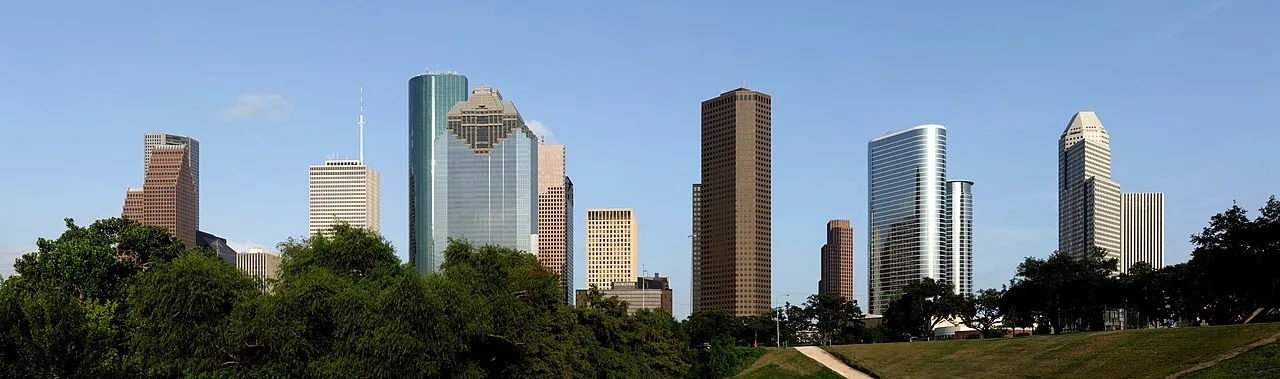
- Jun 20 vs Sweden — Houston Stadium, Houston. The most physical match of the group. Sweden under their settled mid-block defensive structure will not give up much space, and set pieces become a disproportionate weight in the result. The Netherlands' tallest first-choice centre-backs and Van Dijk's aerial dominance matter here in ways they will not against Japan or Tunisia.
- Jun 25 vs Tunisia — Kansas City Stadium, Kansas City. Likely a low-block finisher. Tunisia will defend deep; the Netherlands need De Jong pushed higher and Reijnders or Simons to break the back five. Koeman should have first place largely settled by this point and may rotate to save Van Dijk and Dumfries' minutes for the Round of 32.
Three venues spanning north Texas, the Gulf and the Midwest — a moderate travel load but with one outdoor June game in Houston that will demand careful in-game rotation. The Kansas City closer is also the venue Argentina open at, which makes the Round of 32 cross-bracket scouting unusually clean.
Where Koeman's Netherlands Is Still Brittle
The honest checklist of what opposition coaches will target:
- Transition behind aggressive full-backs. Dumfries and the left-back both want to attack. The double-pivot is a single pivot — De Jong alone. Quick teams that turn the ball over at the halfway line — Japan in the opener, France or Brazil in a knockout — can find the channel between full-back and centre-back before the cover arrives.
- Centre-back partner reliability. Van Dijk is settled. The second centre-back is not. A tournament injury to either Van Dijk or his partner exposes a depth chart that drops in quality faster than the squad's overall talent suggests.
- The No. 9 question. If Depay is below sharpness and Zirkzee is not yet ready as a national-team starter, the front three runs through two wingers and a question mark. Tournament-winning sides usually have this resolved by April. The Netherlands do not.
- Set-piece defending. Despite Van Dijk's aerial baseline, the Netherlands' record on defensive set pieces through qualifying was uneven — a function of the inverted full-backs not yet being settled in their zonal-marking responsibilities. Sweden in matchday two is the immediate test.
The Koeman Question: Second-Stint Pragmatism
Koeman's first KNVB stint (2018-2020) ended when Barcelona came calling; this second stint has been about pragmatism rather than identity.
The contrast is real. Louis van Gaal's 2022 cycle was a 3-4-1-2 / 5-3-2 hybrid built around Van Dijk and a back-three structure. Koeman has reverted to a flatter 4-3-3, the shape this generation grew up playing at Ajax, PSV and Feyenoord. The trade-off is clear: more attacking width and a better fit for the front-three personnel, less defensive structural protection than Van Gaal's three-centre-back system gave the team in 2022.
The honest case for Koeman: the 4-3-3 fits the under-25 generation better, and the squad's improvement in transition football across 2025-26 is measurable. The case against: this is still a head coach in his second stint, asked to win something his first stint did not, with a centre-back depth chart he cannot expand inside three months and a No. 9 question still unresolved heading into the warm-up window.
The 2010 Echo: Final-Or-Bust Without The Final-Or-Bust Talk
The Netherlands have made three World Cup finals (1974, 1978, 2010) and won none. The 2014 third-place finish under Van Gaal is the highest the federation has reached since. The 2022 quarter-final loss to Argentina on penalties — after Wout Weghorst's two late goals to force extra time — was painful but not stage-defining.
Koeman's 2026 cycle has been pitched internally as a quiet build rather than a final-or-bust assault. The talent is younger than 2014's, deeper than 2022's, and arrives at the tournament in a format (48 teams, Round of 32) that should reward technical possession sides over the shorter, sharper formats that have hurt the Netherlands in the past. What it will not reward is a late-game decision-making lapse against a top-six opponent in a knockout.
Final Thoughts
The Netherlands at 2026 are a true outsider with a real path. FIFA #7 is fair on form; the squad's age curve and the format both nudge the ceiling slightly higher than the ranking suggests. Group F is winnable, but the opener against Japan is the kind of match that can announce a tournament run or define a quietly disappointing one.
Watch where Koeman puts Frenkie de Jong against Japan — that decision tells you whether he is playing for control or for transitions. Watch which centre-back partners Van Dijk in the opener — that decision tells you what he thinks the knockouts will look like. Watch whether Memphis Depay's April-May minutes give Koeman a sharp first-choice No. 9 or whether the front three goes into the tournament with the question still open. Those three threads decide whether the Netherlands play deep in July or finish the cycle with another "good but not enough" return.
For the wider cycle, see Moriyasu's Japan — the Group F opener that decides top spot, where the FIFA top five stack up around the Dutch outsider case, how to watch the MetLife final on July 19, and the 10 biggest questions before kickoff.
Frequently Asked Questions
Who is the Netherlands head coach at World Cup 2026?
Ronald Koeman, in his second stint with the KNVB. He returned to the role in January 2023 and is contracted through the 2026 World Cup, having led the Netherlands through European qualification with the squad's youngest core in a decade.
What formation does Koeman's Netherlands play?
A base 4-3-3 in possession that compresses into a 4-1-4-1 out of it. Frenkie de Jong is the deep-lying creator, with two more advanced interiors alongside him. Virgil van Dijk leads the back four, with full-backs who provide the chalk-line width when the front three drift inside.
Who are the Netherlands' key players at World Cup 2026?
Virgil van Dijk (Liverpool, captain), Frenkie de Jong (Barcelona), Cody Gakpo (Liverpool), Tijjani Reijnders (Milan), Jurriën Timber (Arsenal, fitness watch — out since 14 March 2026 with a groin injury), Denzel Dumfries (Inter), Memphis Depay (Corinthians), Xavi Simons and the goalkeeper Bart Verbruggen (Brighton). The under-25 spine of Reijnders, Simons and Gakpo is what makes this cycle different from 2022.
Which group are the Netherlands in at the 2026 World Cup?
Group F with Japan, Sweden and Tunisia. The Netherlands open against Japan on Jun 14 at Dallas Stadium in Arlington, face Sweden on Jun 20 at Houston Stadium, and finish the group against Tunisia on Jun 25 at Kansas City Stadium.
What is the Netherlands' biggest tactical risk?
Transition defence behind aggressive full-backs. Koeman wants Dumfries and the left-back high; the central pairing of Van Dijk plus a second centre-back has to cover the spaces that opens. Against quick wide players — Japan's Kubo and Junya Itō in the opener, with Mitoma ruled out by injury, are the cleanest example — the back-line read has to be sharper than it was through qualifying.
Will Frenkie de Jong play deep or as a No. 8 for the Netherlands?
Deep. Koeman has used Frenkie de Jong as the single pivot in the 4-3-3 throughout the 2025-26 international windows, with Tijjani Reijnders and a second interior (Joey Veerman, Mats Wieffer or Jerdy Schouten by opponent profile) ahead of him. The Frenkie de Jong World Cup 2026 role is the team's load-bearing piece — both build-up and the first defensive cover.
Is Memphis Depay still Netherlands' first-choice striker?
It is the squad's most active debate. Depay remains the most experienced finisher in the pool but plays his club football at Corinthians in Brazil, raising sharpness and travel-load questions. Joshua Zirkzee (Manchester United), Brian Brobbey (Ajax) and Wout Weghorst are the alternative profiles. Koeman has rotated through all four across the warm-up window.
What are the Netherlands' World Cup 2026 fixtures?
Group F: Jun 14 vs Japan at Dallas Stadium, Arlington (20:00 UTC); Jun 20 vs Sweden at Houston Stadium (17:00 UTC); Jun 25 vs Tunisia at Kansas City Stadium (23:00 UTC). The Netherlands vs Japan opener is the most anticipated Asian–European fixture of the first matchday.
Who is the Netherlands' first-choice goalkeeper at World Cup 2026?
Bart Verbruggen (Brighton), who has displaced the longer-tenured options across the 2025-26 cycle and is now Koeman's settled first-choice. Mark Flekken and Justin Bijlow rotate through the back-up roles. The Verbruggen ball-playing profile fits Koeman's possession identity better than the alternatives.
Is Xavi Simons a starter for the Netherlands?
Likely yes, on the right of the front three or as a high No. 8 depending on the opponent. Simons' 2025-26 club season has confirmed the under-23 ceiling that the Netherlands need to take on a full tournament workload, and Koeman has steadily moved him from rotation player to starter through the qualifying cycle.
People Also Ask
Data sources
- KNVB — Ronald Koeman second-stint appointment (effective Jan 2023), contract through Summer 2026
- FIFA World Cup 2026 — Group F fixtures (Netherlands vs Japan Jun 14 Dallas Stadium, vs Sweden Jun 20 Houston Stadium, vs Tunisia Jun 25 Kansas City Stadium)
- April 2026 FIFA Men's Ranking — Netherlands #7
- Squad reference — KNVB international call-ups, March 2026 window — Editorial research by the WTK Sports desk
Published: